Tell us about the job
Takes about a minute. No obligation.
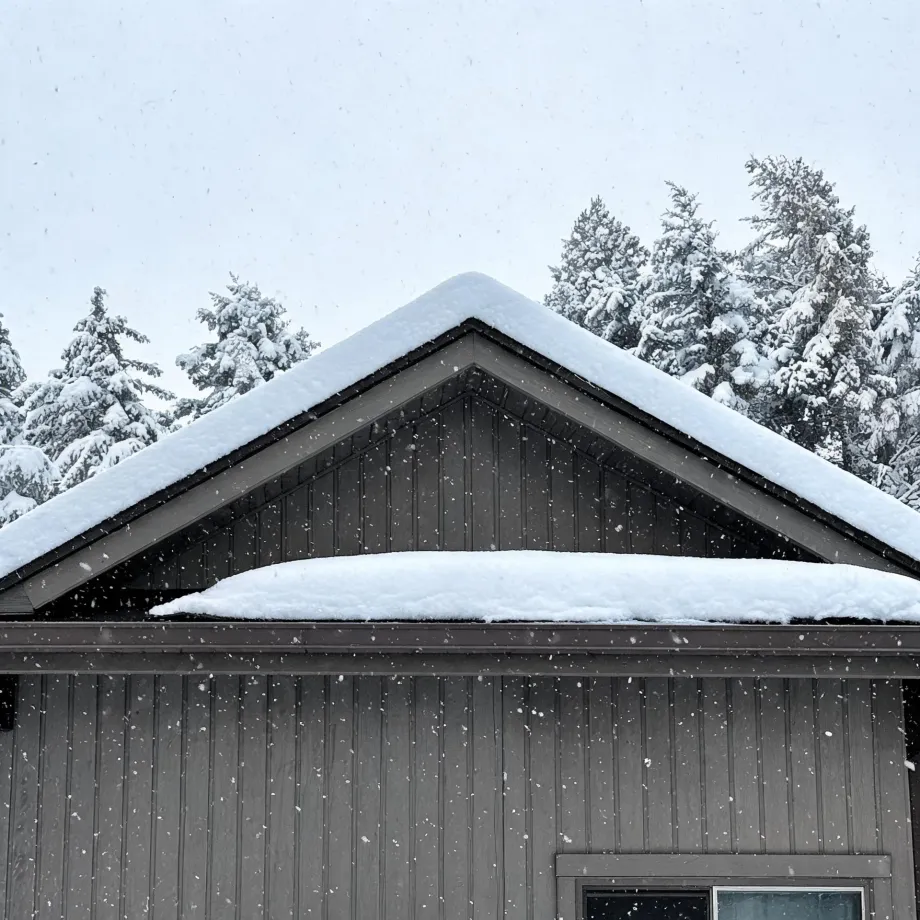
Sizing a furnace for this county requires a contractor who understands what that equipment is actually being asked to carry. Homes in Lewis County, ID run heat about ten months a year, from September through June. The burner, the heat exchanger, and the ignition system cycle through the cold months and then sit idle through a short summer, and the cycling is where the wear lives. An undersized unit runs longer each call for heat, which loads the heat exchanger harder than a correctly sized system would. A contractor quoting an installation here has to calculate the actual load before specifying equipment, because a box that looks adequate on paper will show its shortfall in the parts that fire and extinguish every day.
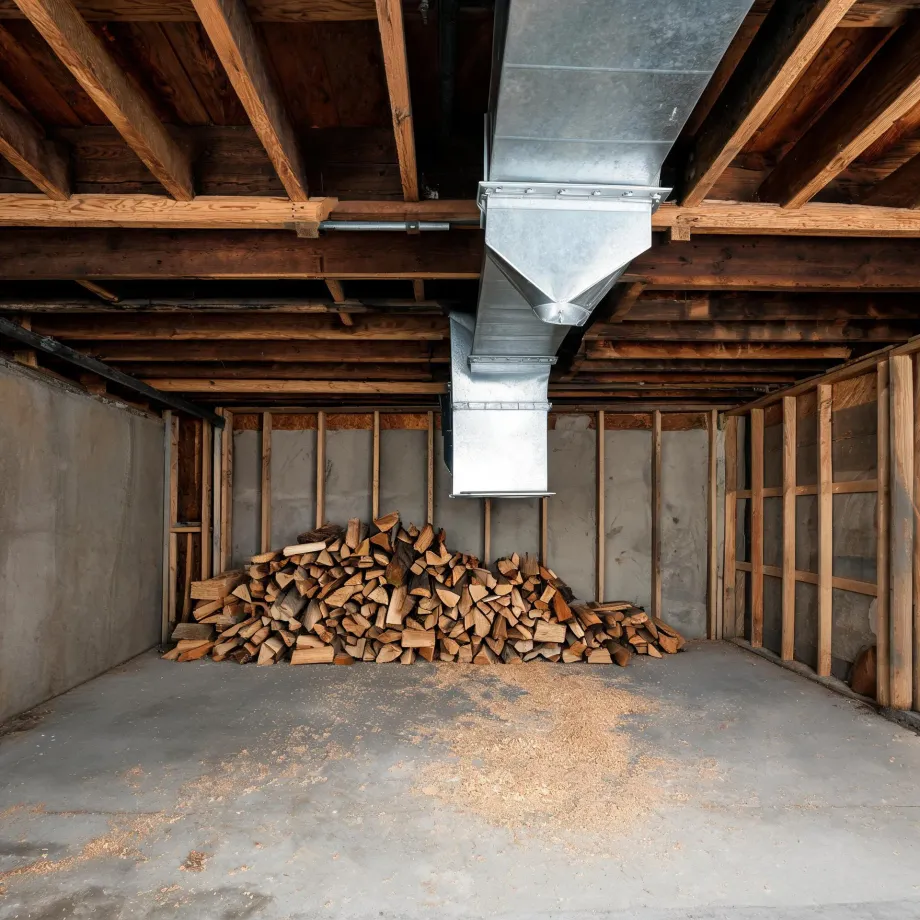
Ductwork in a house this old was designed around whatever was running when the house was built, and a furnace installed since then was fitted to what was already there rather than to what the new equipment actually needs. Half the homes in Lewis County, Idaho were built in 1965 or earlier (2020-2024 ACS 5-year). That gap between the original layout and the current load is what a contractor has to work out before a new furnace can be sized or placed: whether the existing runs move enough air, whether the returns are in the right locations, and whether the electrical service the new unit draws on was ever brought up to carry it. A house can clear all three of those, or none of them, and the age of the building alone does not say which.
What Gets Installed With a New Furnace
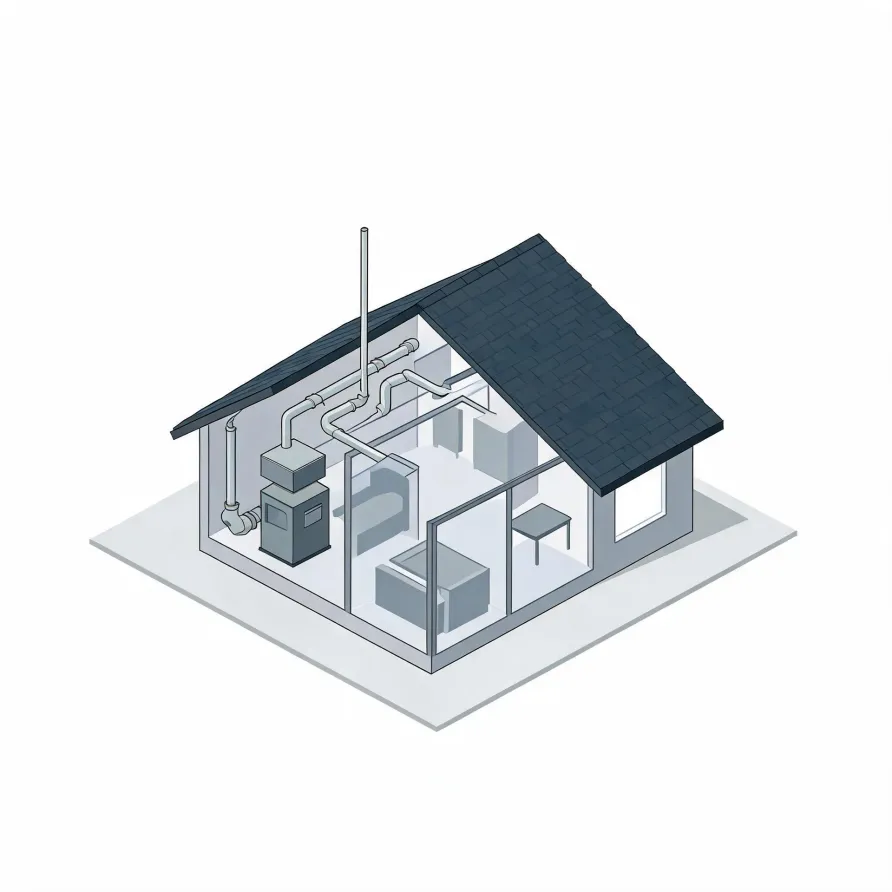
The furnace itself sits in a utility room, basement, or closet and is the unit that generates heat. A heat exchanger inside it warms the air, and a blower motor pushes that air out into the house. These are the core pieces a contractor sets into place.
The flue pipe runs from the furnace to an exterior vent, carrying combustion gases out of the home. Beside the furnace, the contractor also installs the air filter housing and connects the thermostat that lets you control the system from inside the living space.
The drawing shows a typical layout, and a licensed contractor determines what applies to your specific home.
Find a contractor in Lewis CountyLewis County, by the numbers
44 severe weather events were recorded in Lewis County, Idaho between 2015 and 2024.
NOAA National Centers for Environmental Information, Storm Events Database, bulk CSV export, events 2015-01-01 through 2024-12-31.Half the homes in Lewis County, Idaho were built in 1965 or earlier (2020-2024 ACS 5-year).
U.S. Census Bureau, 2020-2024 American Community Survey 5-Year EstimatesLewis County, Idaho holds 1,826 housing units (2020-2024 ACS 5-year).
U.S. Census Bureau, 2020-2024 American Community Survey 5-Year EstimatesOwners occupy 76.4% of the occupied homes in Lewis County, Idaho (2020-2024 ACS 5-year).
U.S. Census Bureau, 2020-2024 American Community Survey 5-Year EstimatesCodes & Standards Behind Furnace Installation in Lewis County, Idaho5 sourced rules and standards
What the installation actually looks like
Non-weatherized gas furnaces manufactured on or after November 19, 2015 must reach 80.0 percent AFUE.
Non-weatherized oil-fired furnaces manufactured on or after November 19, 2015 must reach 83.0 percent AFUE.
Mobile home gas furnaces manufactured on or after November 19, 2015 must reach 80.0 percent AFUE.
Non-weatherized gas furnaces manufactured on or after December 18, 2028 must reach 95.0 percent AFUE, up from the 80.0 percent minimum that applies to units manufactured before that date.
Licensing and Legal Requirements in Lewis County, Idaho
Idaho requires a state certificate of competency for heating, ventilation and air conditioning work: it is unlawful to engage in the business, trade or practice without passing the examination and holding the certificate.
Severe Weather Events in Lewis County
Weather puts a measurable load on heating equipment, and that load is not the same everywhere. A furnace sized and installed for Lewis County conditions works against what the local climate actually delivers, which is why local weather history matters when planning an installation.
44 severe weather events, 2015–2024. Source: NOAA National Centers for Environmental Information, Storm Events Database.