Get in touch with a local installer about a new furnace.
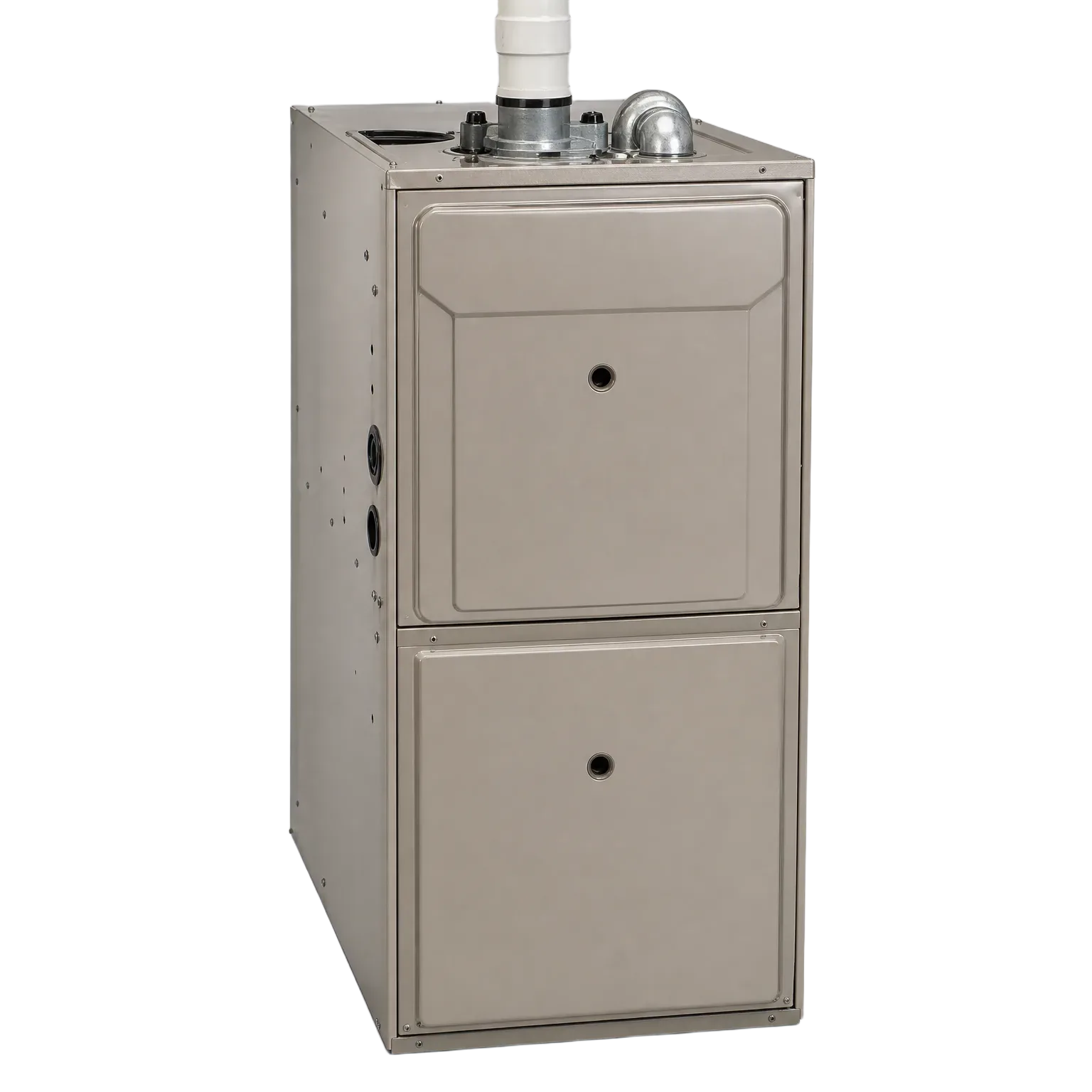
A gas furnace in Idaho typically runs 15 to 20 years. Yours might go longer, or it might start giving you trouble sooner, depending on how it was installed, how it's been maintained, and how hard your winters have pushed it.
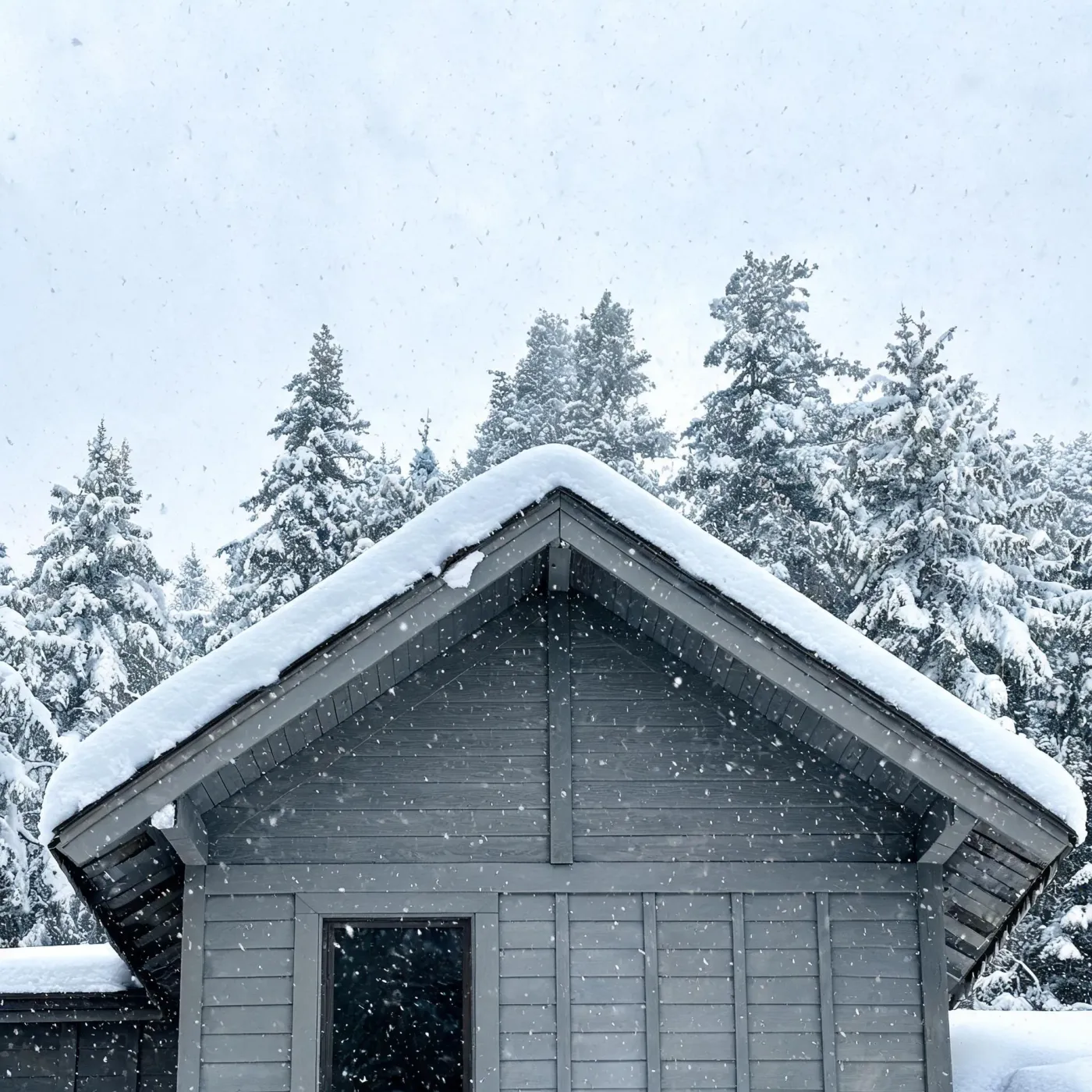
Idaho winters ask a lot of a furnace. It runs for months at a stretch, cycling on and off, and that wear adds up year after year. Summers here are hot and dry, so the furnace gets a break then, but once the cold sets in, it's working.
If your furnace came with the house, you may not know its age or what condition it was in when installed. That matters more than the calendar. A furnace that was sized wrong for the house, or put in without the right ductwork, can wear out well before 15 years. One installed carefully, matched to the home, can run toward the far end of that range or past it.
When a furnace is getting old, the questions pile up fast. Should you repair it again or start planning to replace it. What size and type actually fits your house. Who in your area installs furnaces correctly instead of just swapping boxes. Getting straight answers usually means calling several contractors, explaining your furnace and your house to each one, and waiting on quotes that are hard to compare because nobody measured the same things.
This page connects you with a contractor who installs furnaces and knows what Idaho winters do to them over time. You tell them about your furnace and your house once, and they reach out to you directly. No repeating yourself to five different companies, no guessing which quote actually reflects what your home needs.
What you decide to do about your furnace is still your call. What this page takes off your plate is the work of finding someone qualified to help you make that call.
How long does a furnace last in Idaho?
You want a real number before you decide whether to repair or replace, not a vague range that could mean anything. Maybe your furnace is acting up in February, or maybe it's just old and you're trying to figure out if it owes you anything more. Either way, you want to know what's normal for a furnace like yours, and whether your winters here make that number smaller.
Most gas furnaces in Idaho last 15 to 20 years
That range holds for a furnace that was sized right for the house and got looked at most years. Idaho winters run long and cold, especially away from the valleys, and a furnace that runs steady from October into April puts in more hours over its life than one in a milder state. That shortens the low end of the range for furnaces that get skipped on maintenance or that were undersized to begin with. If yours is past 15 years, every winter from here on is one where a cracked heat exchanger or a failing igniter becomes more likely, and it's worth knowing which one you're dealing with before the coldest part of the season.
Running the way it should
A furnace like this heats evenly and starts right up on cold mornings. The flue pipes and ductwork are sound, nothing's rusted through, and the burner lights on the first try. At this stage it's worth keeping maintained rather than replaced.
Showing its age
Galvanized ductwork like this corrodes over time, and an older furnace can start short-cycling or struggling to keep rooms warm. If yours is in a setup like this and giving you trouble, it's worth finding out whether a repair makes sense or whether you're better off replacing it before it fails on a cold night.
Repair the Furnace or Replace It
Keep Repairing
A cracked heat exchanger, a failed control board, or a worn blower motor can each run a few hundred dollars to fix, well under the cost of a new unit.
If your furnace is under 15 years old and has been serviced regularly, one more repair often buys several more winters.
A single failed igniter or pressure switch doesn't mean the whole system is going, those parts fail on their own regardless of the furnace's age.
Staying with the furnace you have means no new ductwork sizing, no venting changes, and no adjustment period for a different system.
If the repair history so far has been minor and spread out over years, that's a sign the furnace itself is still sound.
Replace It
Past 15 to 20 years, parts for your exact model get harder to find, and a technician may end up waiting on a special order mid-repair.
A furnace that short-cycles or can't keep the house warm through an Idaho cold snap is costing you in comfort even if it's still technically running.
Newer furnaces burn less gas for the same heat output, which matters over a long Idaho winter even with cheap power.
If you're facing a second major repair in a year or two, the cost of both can approach what a new furnace would have cost outright.
A cracked heat exchanger is a safety issue, not a wear item, and it means the furnace needs to be replaced, not patched.
1
The thermostat calls for heat and signals the control board.
2
The inducer motor starts and clears the heat exchanger first.
3
The igniter glows hot enough to light the gas burners.
4
Burners ignite and heat begins to build in the heat exchanger.
A furnace in good shape here starts on the first try even on a sub-zero morning and keeps the gas lines and connections tight with no sign of rust.
Once the cabinet shows rust through the metal and the flue pipe is corroding, a furnace is working against itself just to keep running.
Skip the round of in-home estimates for a new furnace.
Sending the form costs nothing.
What wears a heat exchanger out
A furnace's heat exchanger expands and contracts every time it fires. That metal fatigue is what usually ends a furnace's life, not a single breakdown. Idaho's cold snaps mean more cycles over a winter than a mild climate would ask for, and more cycles add up to more stress on that metal over the years. A cracked heat exchanger is also a safety issue, since it can let combustion gases into the air a furnace is supposed to be heating. That's why a contractor checks it first on an older unit, before talking about anything else that might be wrong.
Why the vent and flue matter
A furnace vents combustion gases outside through a flue pipe, and that pipe has to stay clear and intact for the furnace to run safely. Rust on the flue or at the cabinet seams usually means moisture has been getting in somewhere it shouldn't. Once that corrosion sets in, it tends to spread faster than it looks like it will from the outside. A furnace with a sound flue and a clean burn is still doing its job efficiently. One with a corroding vent is burning gas less safely and less completely, even if it still lights every time you ask it to.
Before you get your furnace installationAfter you get your furnace installation
A furnace doesn't send a notice before it quits. It runs fine, then one morning in January it doesn't start, and that's usually the coldest morning of the year, the one where you need it most. If yours has gone 15 or 20 years without much attention, that morning is closer than you think. The smarter move is picking the week to replace it yourself, before a cold snap puts you on a waiting list behind everyone else whose furnace picked the same week to fail. There's also the heat exchanger. Late in a furnace's life it can crack and let carbon monoxide into the house, and you won't smell it or see it. Along the way, an old furnace quietly burns more gas to put out the same heat, so the bill climbs even with power staying cheap here. And if you bought the house with the furnace already in it, you're working without the one piece of information that would tell you how close to that line you actually are: its real age and whether it was put in right.
What an aging furnace means for your house
A furnace running past 20 years with no service history can fail on the coldest morning of the year, with no warning first.
Replacing it before it fails means you pick the week, instead of scrambling when a January cold snap hits and installers are booked out.
A heat exchanger that cracks late in its life can leak carbon monoxide into the house before anyone notices anything wrong.
An aging furnace loses efficiency as it nears the end of its life, so your gas bill creeps up even though power here stays cheap.
If the furnace came with the house, you likely don't know its exact age or whether it was installed correctly in the first place.
A furnace that limps along on repairs still leaves you exposed to the one failure a repair can't fix.
Winter nights average 22°F statewide
That 22°F average covers whole nights, not just a cold snap, so your furnace is firing for long stretches at a time. Over a winter those hours add up on the heat exchanger and the blower motor faster than a milder state would.
NOAA nClimDiv 1991-2020 county normals weighted by homes
What an aging furnace costs you at home
An old furnace shows up in your house before it shows up in the news. Rooms farthest from the furnace run cooler than the thermostat says they should. The burner takes a second try some mornings. Your gas bill creeps up a little each winter even though you haven't changed the thermostat setting. None of that means the furnace is finished, but it's the kind of thing worth tracking instead of ignoring until a cold night in January makes the decision for you.
If you're at the point of weighing a new furnace against another winter of patching the old one, comparing contractors yourself means separate calls, separate visits, and the same explanation of your furnace's age and symptoms over and over. Submitting your information here matches you with a contractor who installs furnaces suited to Idaho winters, and that contractor reaches out to you directly, so you're not the one chasing quotes.
Statewide, winter nights average 22°F, according to NOAA climate data. That kind of cold doesn't let up at midnight. Your furnace has to keep cycling through the night to hold the house steady, and a burner that's firing for hours at a stretch wears differently than one that shuts off after a short run. You'll notice it as a longer blower cycle, or a furnace that seems to run almost nonstop on the coldest nights. Over a winter, that adds up to real hours on the heat exchanger and blower motor, more than a state where nights stay milder. It's part of why furnaces here tend to show their age sooner than the box on the unit might suggest.
NOAA nClimDiv 1991-2020 county normals weighted by homes
A gas furnace in Idaho lasts 15 to 20 years, longer if it's been maintained, shorter if it's been pushed hard through winters with nights averaging 22°F. Where yours falls in that range comes down to the heat exchanger, the burner, and how many cold nights it's already cycled through. If it's still starting on the first try and heating the house evenly, there's no reason to replace it yet. If it's past 20 with no service history, or you're patching the same parts winter after winter, that's a different situation. Either way, you don't have to spend your evening searching contractor listings, calling around for quotes, and explaining the same problem to five different people before you find someone who'll give you a straight answer. You can get matched with a contractor who handles furnace installation in Idaho and let them reach out to you instead.