A furnace pro near you
How often to change your furnace filter in Idaho
Idaho's dry air means your furnace filter loads up with dust faster than you'd think, even though summers here don't run through the ducts the way cooling months elsewhere do. This page gets into how often to check it and swap it, based on your filter type and how much the furnace runs. If you want a second opinion, a local contractor who works on furnaces all winter can take a look.
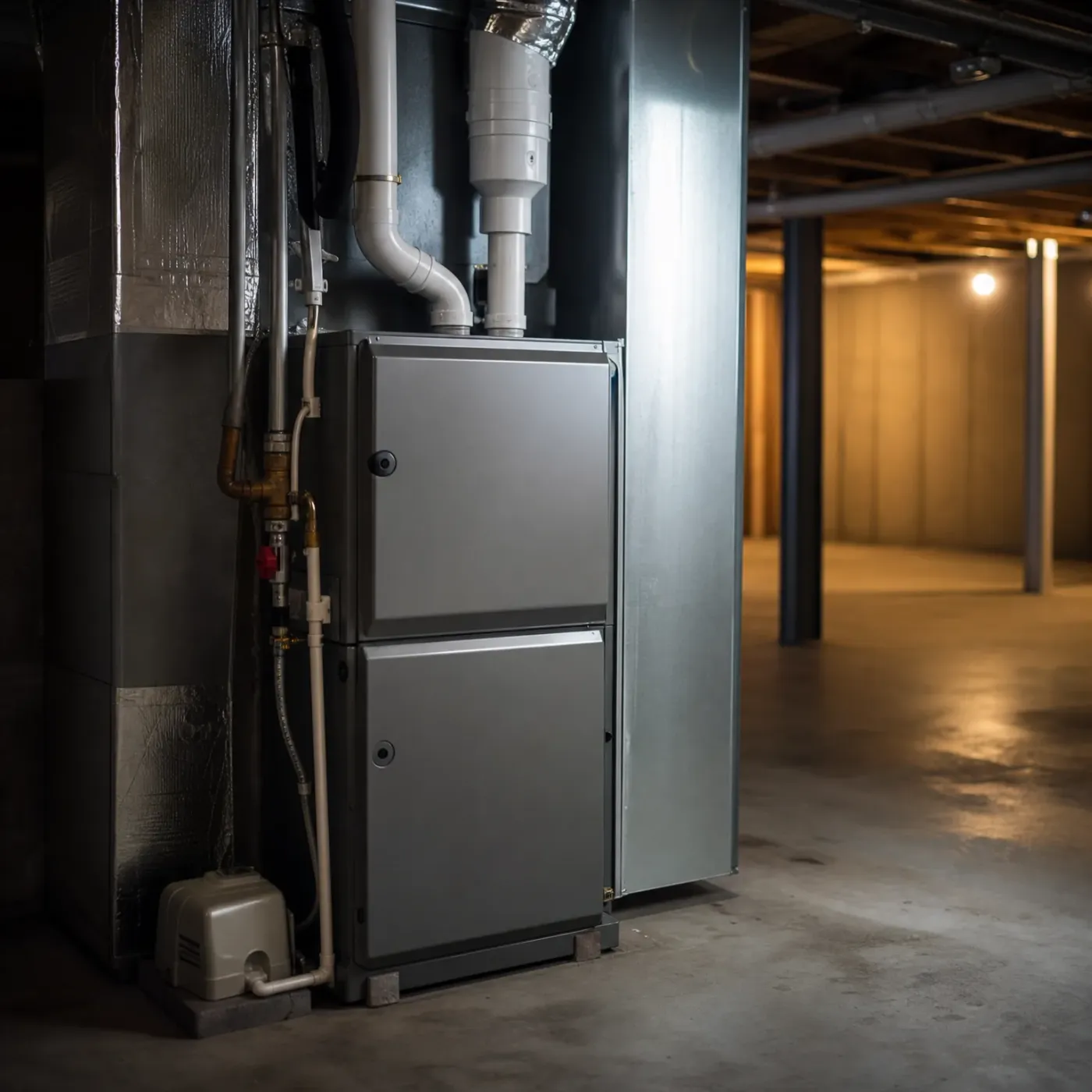
Get a furnace proA standard 1-inch filter in your furnace needs changing about every 1 to 2 months through a winter of regular use. Idaho's dry air carries fine dust that a damp climate would settle out of, and that dust loads up a thin filter fast, even in the months your furnace isn't running every day. If you've got a thicker pleated filter, 3 to 4 inches, it can often go 6 to 12 months since it has more surface area to hold that dust before it chokes. A filter that's gone too long restricts airflow, which makes the furnace work harder to push heat through the house and can shorten the life of its blower motor. Since gas heat is what runs through most Idaho homes, the fix is cheap and the part is small, but skipping it costs you in the one place you can't easily see: inside the furnace itself.


Filter Type Changes the Math
- A 1-inch filter has less surface area, so dust clogs it fully in weeks, not months.
- A 4-inch or 5-inch media filter holds far more dust and usually lasts 6 to 12 months before it needs swapping.
- A clogged filter forces the blower motor to work harder, which can shorten its life over time.
- Check the filter by holding it up to a light; if you can't see light through it, it's time to change it.
- The MERV rating tells you how fine a filter traps dust, but a higher MERV filter also restricts airflow more if your furnace isn't built for it.
- Furnaces with a return air duct in a dusty basement or utility room tend to load filters faster than ones pulling air from a cleaner part of the house.
The filter size your furnace takes makes a bigger difference than most people think. A thin 1-inch filter sits right in the duct and only has so much surface to catch dust before airflow starts choking off. A 4-inch or 5-inch media filter is built into a larger slot, usually right at the furnace cabinet, and that extra depth gives dust a lot more room to collect before it blocks anything. That's why the same house can be on a monthly filter schedule or a yearly one depending on which the furnace was set up with. Either way, the furnace doesn't stop and tell you when it's struggling. A clogged filter just makes the blower motor pull harder to move the same amount of air, and a motor working against resistance like that wears faster than one moving air freely. You don't need to guess when it's time. Pull the filter and hold it up to a window or a light fixture. If light passes through clearly, it's fine. If it looks gray or you can't see much light at all, it's done its job and needs replacing. Where the return duct pulls air from matters too. A furnace drawing from a basement or utility room with concrete dust or stored boxes nearby will dirty a filter faster than one pulling from a hallway or living space.




Idaho winter nights average 22°F statewide, per NOAA climate data. That's cold enough that your furnace is running long stretches after dark, not just short bursts in the morning. Long runtimes push more air, and more dust, through the filter every night. A 1-inch filter that might coast through a mild week gets packed solid faster once nighttime lows settle into the 20s. If you notice weaker airflow at the vents farthest from the furnace, or the furnace running longer to reach the same temperature, check the filter before assuming something else is wrong. When it's time for a closer look, you'll be matched with one licensed local contractor, someone who works on furnaces through Idaho winters every year and knows which filters hold up to that kind of nightly demand and which don't.
NOAA nClimDiv 1991-2020 county normals weighted by homes
A local pro for your furnace maintenance
A filter that's past due doesn't just let dust through, it makes the furnace itself work harder, and in a state where power is cheap but gas isn't, that extra strain shows up in run time more than in watts. Most Idaho homes heat with gas, and a furnace fighting a clogged filter burns more of it to push the same heat through the house. Checking your filter monthly through the winter catches that before it becomes a bigger problem, whether it's a weak blower, a furnace that short-cycles, or one that won't hold a steady temperature on the cold nights here. If you'd rather have someone else keep track of it, a local contractor who services furnaces all winter in this climate already knows what tends to fail first in homes around here, and can set a schedule around your filter type instead of a guess. One contractor takes the request, so you're dealing with a single call back, not a string of them, while your furnace is still working the way it should.

A filter checked on schedule is one less thing to think about all winter
Check your 1-inch filter monthly and swap it by the second month. If you run a 4-inch or 5-inch media filter, check it toward fall and expect to replace it sometime before spring. That's the whole answer. The rest is just watching it instead of guessing.
If you'd rather have someone else keep an eye on it, a local contractor who works on furnaces all winter long can fold a filter check into a regular visit, along with the things you can't see from the filter aisle, like how the blower sounds under load or whether the igniter is still firing clean. You'd be matched with one contractor who knows Idaho furnaces and the dust they pull in, not a handful of companies competing for your call. They reach out, you ask what you need to, and you decide from there.


Furnace Maintenance
Get the right pro for your furnace

- Say what's going on with your furnace, and a pro who works on them reaches out.
- A local pro who knows furnaces gets your details and gets in touch.

- Send the form, and lining up the furnace tune-up stops being yours to chase.
- Send the request and finding a pro stops being your problem.

- Fill out one form instead of calling around for a furnace tune-up.
- Skip calling around to set up a furnace tune-up.

- Your request stays with one local pro.
- Your request goes to one pro, not a list of companies.