
Send one request and you're done looking
What size furnace an Idaho home needs
Sizing a furnace right means matching it to your home's heat loss, not just swapping in whatever size was there before. Too big and it short cycles. Too small and it runs nonstop on the coldest nights and still can't keep up. This page walks through what actually determines the right size for an Idaho home. Skip calling around and comparing bids yourself: send the form and the search for a licensed installer is off your plate.
Hand it offThere's no single furnace size for an Idaho home. The right size comes from a heat loss calculation, which looks at your square footage, your insulation, your windows, and how cold it gets where you live on the coldest night of the year. Two houses the same size can need different furnaces if one has old single-pane windows and the other doesn't. A contractor doing this right runs a Manual J calculation rather than just matching the size of your old unit, since the old one may have been wrong too. Get the size wrong and you feel it either way: too big and the furnace short cycles, wearing itself out faster and leaving rooms uneven; too small and it runs flat out on the coldest nights of winter and still falls behind. The number you want is specific to your house, not a rule of thumb based on square footage alone.


Is your furnace actually sized right for your house?
If a room stays cold no matter how high you turn the thermostat, that's a sizing problem, not a thermostat problem. A furnace too small for the house runs on and on during a hard cold snap and the far bedrooms still don't catch up. A furnace too big cycles on and off fast, blasting heat and shutting off before the house evens out, which leaves some rooms warm and others cold at the same time. You might notice the air feels drier than it should, or you hear the burners kicking on every few minutes on a cold night. None of that is normal, and it means the unit was never matched to your house in the first place.


Winter nights average 22°F statewide
22°F is the average, not the coldest it gets. Your furnace has to be sized for the nights well below that, not just a typical one. That's why the heat loss calculation matters more than whatever size furnace happened to be in the house before.
NOAA nClimDiv 1991-2020 county normals weighted by homes
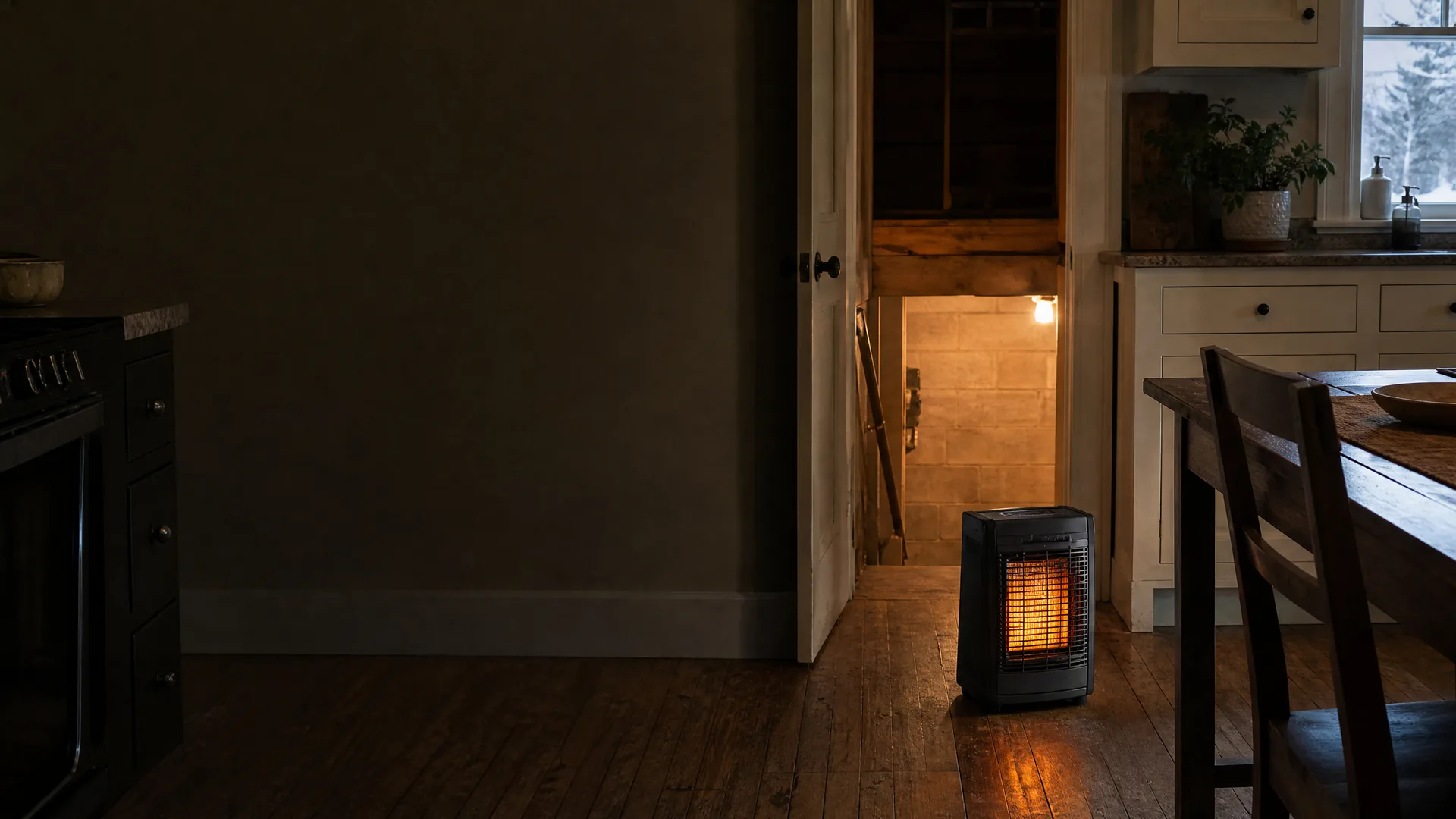
The thermostat read seventy and the furnace was running, but the kitchen was cold enough to see your breath near the window. It was just past six, still dark outside, early February. You'd pulled the little space heater up from the basement again and set it by the table, the orange coils ticking as they warmed up, the basement door left open behind it where you'd gone down for the extension cord. Your coffee sat getting cold while you waited for the room to catch up. The furnace kept running in the other part of the house. It had been doing this for three mornings straight, and you were starting to plan your day around getting dressed somewhere else.


How a contractor actually sizes it
- A Manual J calculation adds up heat loss room by room, not just square footage times a rule of thumb.
- Contractors size furnaces in BTUs of output, and that number has to match what the house actually loses on a cold night, not round up for safety.
- Bigger isn't a safety margin, an oversized furnace heats the air fast, satisfies the thermostat, and shuts off before it pulls cold air out of the far rooms.
- Ductwork sized for the old furnace can choke a new one if the new unit moves more air than those ducts were built to carry.
- A furnace matched to the house cycles on for a while, warms every room evenly, then shuts off until the house calls for heat again.
- The AFUE rating on the furnace tells you how much of the gas becomes heat, it says nothing about whether the size is right for your house.
A contractor doing this right starts with a room by room heat loss calculation, the Manual J, not a tape measure and a chart. Every wall, window, and door loses heat at a different rate, and the calculation adds all of that up instead of guessing from square footage alone. What comes out is a BTU of output number, and that number has to match what your house actually loses on a cold night in your part of Idaho. Rounding up "to be safe" isn't safety. A furnace sized bigger than the house needs heats the air fast, trips the thermostat, and shuts off before the far bedrooms ever catch up. The ductwork matters just as much as the furnace. If a new unit moves more air than the old ducts were built to carry, you get noise, pressure problems, and rooms that still run cold no matter what size is on the furnace's nameplate. Once the size and the ducts are both right, the furnace behaves differently. It runs for a while, heats the house evenly from room to room, then shuts off until the thermostat calls for heat again. That's the cycle a correctly sized system settles into. One number that doesn't tell you anything about sizing is AFUE. It tells you how much of the gas you burn turns into heat rather than going up the flue. A high AFUE furnace in the wrong size still leaves you with the same cold rooms and the same short cycling.




Finding a pro stops being your job
You already know your house better than any calculation does. You know which room stays cold and which register barely blows warm air. What you don't know is whether the fix is a new furnace sized to your house, or a furnace sized to whatever the last owner felt like buying. Getting that answer usually means calling around to a handful of installers, explaining the cold bedroom and the loud cycling to each one, waiting on callbacks, then lining up quotes that are hard to compare because nobody ran the same numbers. That's a lot of hours spent for a question that has one right answer once someone actually looks at your house. Sending this request means you stop chasing that answer yourself. A contractor who installs furnaces in Idaho homes takes over from here, and the work of figuring out what your house actually needs is no longer sitting on your plate on a cold morning with the space heater running.
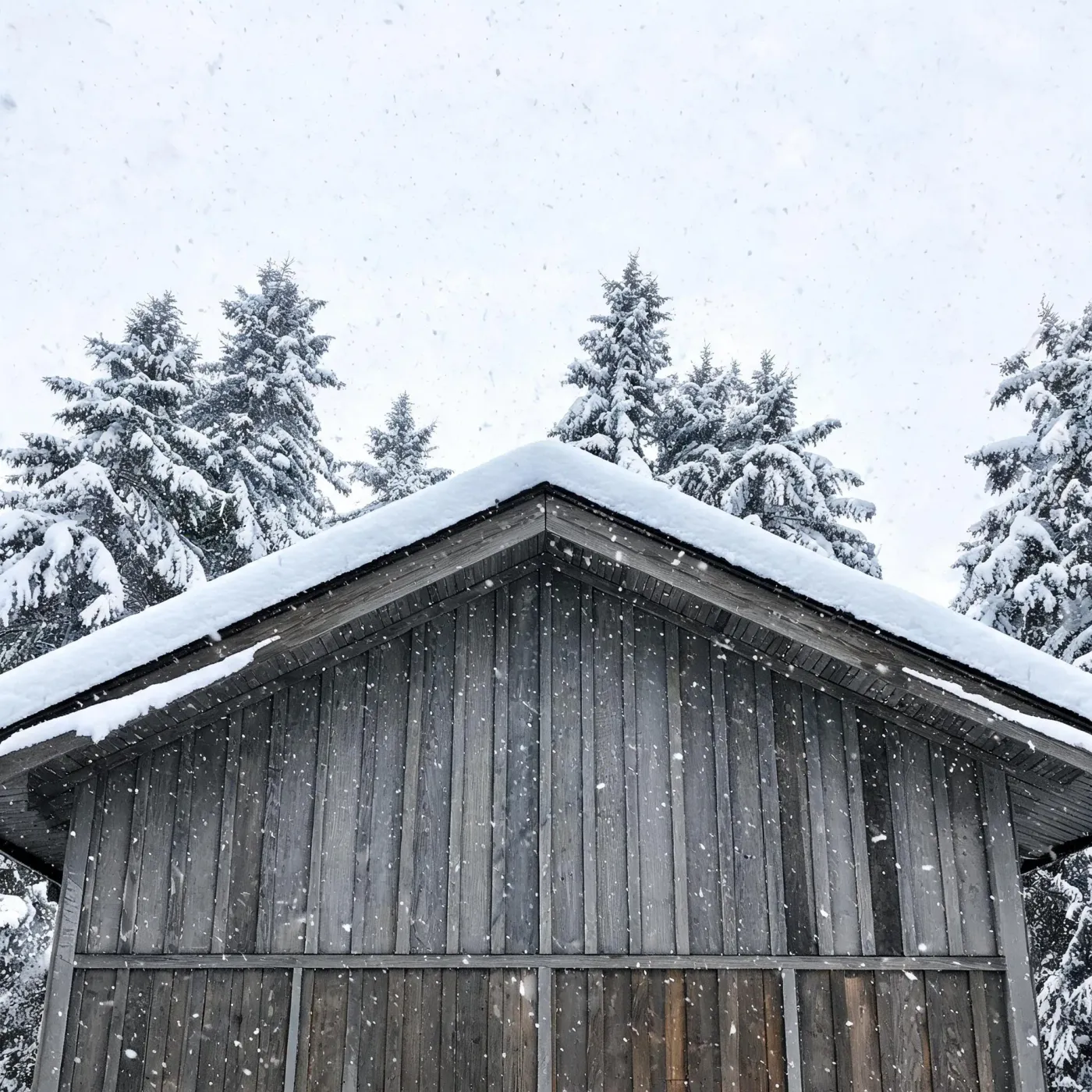
A furnace sized off a cold snap in the teens runs easier the rest of the season, because most nights never get that low. Statewide, winter nights average 22°F, so a furnace built around that number alone comes up short when a real cold front moves through. That's the night you notice it: the furnace running without stop, the thermostat reading seventy, and a bedroom down the hall that still feels like the window's open. Sizing for the hard nights, not the average ones, is what keeps that room warm when it matters.
Source: NOAA
NOAA nClimDiv 1991-2020 county normals weighted by homes

The right size comes from your house, not the old furnace
A heat loss calculation is what tells you the furnace size, not the unit that's in there now and not a guess at the register. That number, run room by room, is the only way to know if a new furnace should match the old one's size or correct it.
Finding a contractor who'll actually run that calculation instead of quoting off the existing equipment usually means calling around, explaining the cold bedroom and the space heater story more than once, and sorting through estimates that may not even be sized the same way. Send the form and that part is off your plate. You still get the same evening to decide what to do about the house. You just don't spend it tracking down who'll look at it properly.


Furnace Installation
Let someone else find the pro

- Describe your furnace job, and a local pro who handles it gets in touch.
- A local installer who puts in furnaces gets your project.

- Send the form and the search for an installer is over.
- Send the request and finding a pro stops being your problem.

- Skip collecting and comparing quotes for the new furnace.
- Fill out one short form instead of calling around.

- Your request goes to one pro, not a list of companies.
- One installer gets your project, so there's no bidding war over it.