Profile view of a bearded man wearing a dark green baseball cap and a dark gray T-shirt against a plain light background.

When a furnace flame sensor needs cleaning in Idaho

Step 1 of 3: Equipment

How often should I clean my furnace flame sensor in Idaho?

A furnace that short cycles or shuts off a few seconds after the burners light is often telling you something about the flame sensor, not the whole system. You want to know how often that part needs attention so the furnace keeps running through an Idaho winter without you guessing at it.

Once a year, before cold weather sets in

A furnace flame sensor collects a thin layer of oxidation every time it does its job, and that layer builds up over a heating season whether the furnace runs hard or not. Once a year is enough for most homes, timed before the furnace starts working through October to April. Gas heat is common in Idaho, so that sensor is doing its job in nearly every house here, cycling on through the cold months. A coating too thin to see can still stop the sensor from reading the flame, and the furnace shuts the burners off as a safety response. One cleaning a year, done before the furnace leans on, keeps that from happening mid-winter.

A furnace in a dim basement with a dirty pleated air filter partially pulled out of its slot, beside a water heater and concrete walls and floor.

You're down in the basement on a Saturday afternoon, October light coming in low through the window well. The furnace kicked on twenty minutes ago and shut off again before the house warmed up, same as it did yesterday. You've got the front panel off and the filter pulled halfway out, grey with dust from the dry summer just gone. You're not looking at the filter though. You're looking past it, toward the burner compartment, trying to remember where you read that the sensor sits right in the flame path, a short metal rod you could reach with a rag if you knew which one it was.

A smiling man in a denim shirt and white t-shirt stands in an open dark doorway of a stucco house, facing a woman with long brown hair and a green jacket seen from behind in the foreground.

What the flame sensor is actually checking

The flame sensor is a thin metal rod sitting in the burner flame, wired back to the control board. It works by a tiny electrical current called flame rectification. The current only flows when the rod is actually touching fire, and the board watches for that current to know the burners caught. No current within a few seconds of ignition, and the board shuts the gas valve as a safety measure. That's the short cycling you're seeing. It isn't guessing or timing a delay, it's reading the flame directly, and a sensor coated in a thin layer of oxidation can't pass enough current even with a strong flame right on it.

That coating builds up slowly over months of normal combustion, which is why it's a once-a-year job for most Idaho furnaces rather than something to chase every time the system acts up. If this is the second or third time this winter the burners have lit and cut out, the sensor has likely already fouled past what a reader can judge by eye. A contractor who takes a look can tell you whether cleaning it buys you the rest of the season or whether something else is pulling it out of position.

A gray upholstered sofa with a matching cushion sits beside a potted plant and a wooden table holding a small green plant in a stone pot, near a curtained window.
A beige high-efficiency furnace with white PVC vent pipes stands beside galvanized sheet-metal ductwork in a basement with a concrete floor, exposed wood studs, and metal piping along the wall.

Clean sensor, steady heat

A clean flame sensor reads the fire right away. The burners light, the sensor confirms flame within a second or two, and the furnace keeps running until the thermostat is satisfied. No clicking off, no re-lighting, just warm air moving through the ducts until the house reaches temperature.


An older beige furnace with a louvered vent panel stands on a concrete basement floor beside galvanized sheet-metal ductwork, a metal flue pipe and vertical pipes along a concrete wall.

Coated sensor, short cycling

A film of soot or oxidation on the rod weakens the signal it sends back. The board gets a reading it doesn't trust, even with a flame right there, and cuts the gas valve. The burners shut off, wait, and try again. Some furnaces will do this on and off for hours before anyone notices.

A gray-haired bearded man in a dark coat and scarf dusted with snow stands smiling in a dimly lit entryway with a white front door, a side table with a lit lamp, an oval mirror, and a patterned rug.
An older bearded man in a dark snow-dusted coat and gray scarf stands just inside a dimly lit home entry, with a framed picture, lit table lamp, and an adjoining room with a fireplace behind him, and snow visible through the open door.
A gray-haired, bearded man in a dark snow-dusted coat stands smiling in a dimly lit entry hall with a staircase, a lit table lamp, a framed picture, and a living room visible through a doorway.
An older man with gray hair and a beard, wearing a dark jacket dusted with snow, stands smiling in a dimly lit hallway with lamps and a living room visible behind him.

Once a year, before the heat kicks on for good

A flame sensor only takes a few minutes to clean, but it has to be reached and wiped before cold weather settles in and the furnace is running every day.

Get matched

A few seconds tells you something

If the burners shut off within seconds of lighting, that's the sensor failing to hold a reading. A contractor can confirm it and clean or replace the part the same visit.

Get matched

Why does your furnace keep shutting off after it starts?

You'll hear the burners light, feel warm air for a few seconds, then hear everything go quiet. The furnace tries again a minute or two later, same result. Some run this way three or four times before the thermostat gives up and the house stays cold. You might notice the gas smell when it relights, or a faint burnt dust smell the first time it runs each year. Left alone, a furnace that keeps restarting like this is working harder for less heat, and in Idaho's coldest stretches that can mean rooms staying chilly right when you need them warm. It's rarely a sign the furnace itself is failing.

A gray high-efficiency furnace with two PVC vent pipes stands in an unfinished basement beside sheet-metal ductwork, a framed and plastic-covered wall, and a bare concrete wall with vertical pipes.
Burners light and stay lit, flame steady on the rod until the thermostat is satisfied.
A gray furnace cabinet in a basement, connected to galvanized sheet-metal ductwork and white PVC pipes, against a concrete wall with exposed metal piping and insulation overhead.
The pallet keeps it off the concrete, but a dirty sensor still cuts the flame short.

A furnace that keeps relighting and quitting runs its blower motor over and over without ever warming the house past a few degrees. You'll notice the thermostat climbing slower than it should, or not climbing at all once it's below freezing outside. Gas keeps feeding the burners each time they try to light, even though the heat never makes it upstairs, so you're paying for cycles that do nothing. Leave it long enough and some furnaces stop trying altogether, locking out until someone resets them, which means no heat at all on a night you need it. None of this means the furnace is failing. It usually means one rod needs to be wiped clean so it can see the flame it's already making. The part costs you nothing to check and little to clean, but a furnace that won't stay lit in January isn't something to leave for later. If yours is already doing this, the cleaning that would have prevented it is also what fixes it now.

A gray metal furnace with two white PVC vent pipes stands on a concrete floor beside galvanized sheet-metal ductwork in a basement or utility space with wood framing.
Before you get your furnace maintenance
A gray furnace cabinet in a basement with sheet-metal ductwork, white PVC vent pipes, and black gas piping against a concrete wall and wood-framed partition on a bare concrete floor.
After you get your furnace maintenance

A local pro for your furnace maintenance

One request and finding someone for the tune-up is handled.

Sending the form costs nothing.

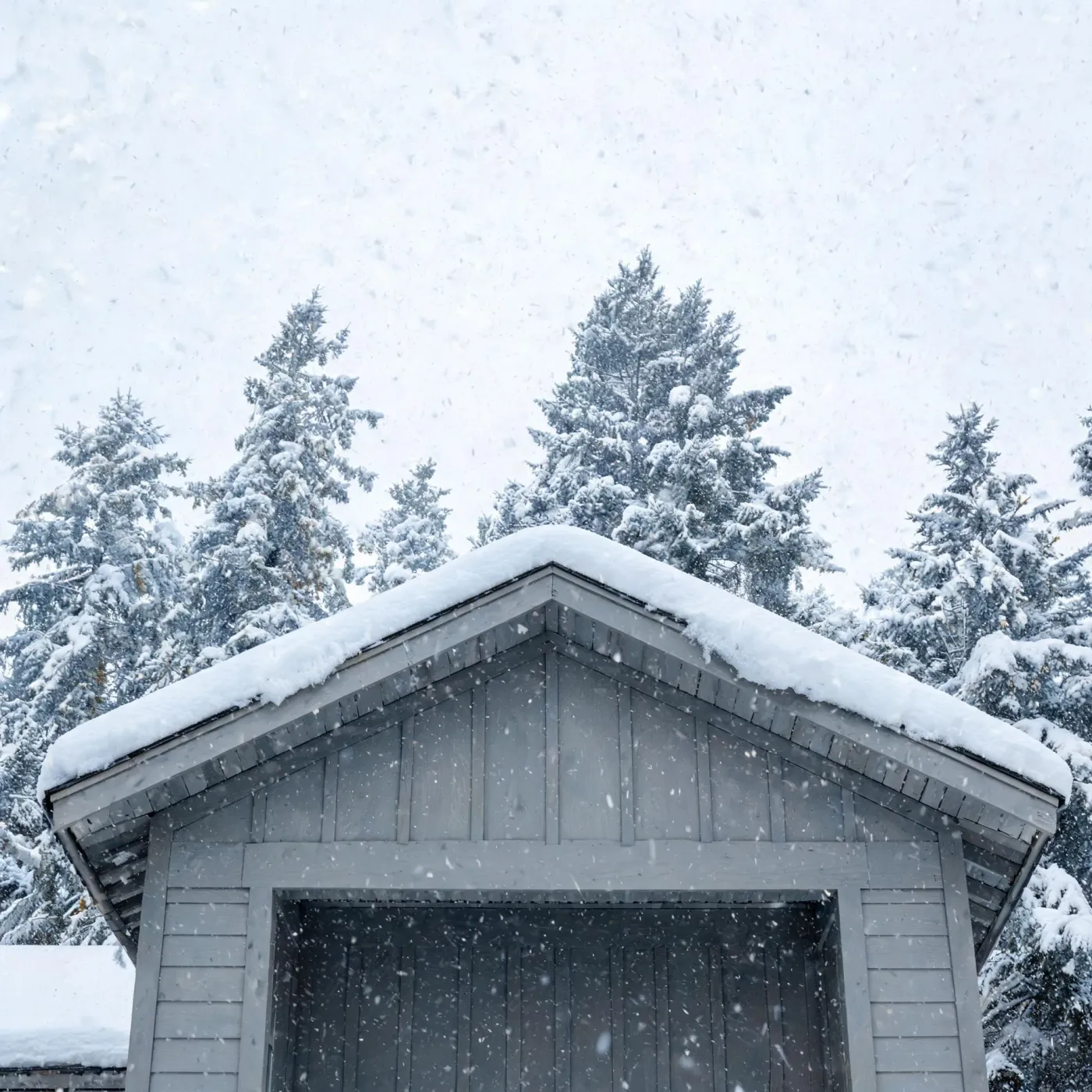
Gable end of a gray wood-clad building with a snow-covered roof and open doorway, backed by snow-laden conifers during falling snow.

Statewide, winter nights average 22°F, and that's the kind of cold that keeps a furnace running for hours at a stretch instead of cycling on and off a few times a day. A clean flame sensor handles that fine, reading the flame right away each time the burners light. A dirty one has to work harder on every single ignition, and on a night that cold, your furnace might be firing up a dozen times or more. Each failed attempt is a few seconds of gas burned without heat to show for it, and a few more minutes before the house warms back up. Source: National Weather Service.

NOAA nClimDiv 1991-2020 county normals weighted by homes

A woman wrapped in a thick beige fleece blanket sits on a sofa with an open book on her lap, beside a lit table lamp, with a frost-covered window behind her.
An older woman with gray hair in a bun and glasses, wearing a beige knit sweater, smiles while looking to the side in a warmly lit kitchen, with a loaf of bread on the counter in the foreground and a snowy scene outside the window.

Clean it yourself or call someone

Cleaning a flame sensor takes a few minutes once the furnace panel is off and the rod is in hand. You shut off power to the furnace, pull the sensor, and go over it with a light abrasive pad or fine steel wool until the gray film is gone. No special tools, no refrigerant, nothing under pressure. Plenty of homeowners in Idaho do this themselves every fall and never think about it again until the following October. If you're comfortable with a screwdriver and don't mind working inside the cabinet, there's no reason you can't be one of them.

When it's worth having someone look

A flame sensor that's clean but still won't hold a flame is pointing at something else. The rod could be cracked, the wiring to the control board could be loose, or the burners themselves could need attention. That's past what a wipe with steel wool fixes. If you'd rather not be the one troubleshooting a furnace that keeps cutting out, or the short cycling comes back right after you've already cleaned the sensor, a contractor matched to your furnace can take it from there. Send in the request and that part stops being something you have to figure out alone.

Winter nights average 22°F statewide

At 22°F, your furnace is running most of the night to hold the thermostat setting, not just kicking on now and then. A dirty flame sensor that might get away with a short cycle or two in milder weather won't here. It'll trip the limit switch for hours on end until it's cleaned.

NOAA nClimDiv 1991-2020 county normals weighted by homes

Once a year keeps it simple

  • A flame sensor that reads clean once a year keeps your furnace lighting and staying lit through an Idaho winter without any guesswork on your part.
  • Once a year, before the cold settles in for good, is the whole answer, and nothing about your furnace changes that.
  • A furnace that short cycles at 22°F outside is past the point where wiping the rod yourself is worth the risk of missing something else.
  • Sending the form hands the job of finding a contractor to someone else, so you're not the one making calls while the house sits cold.
  • Gas is cheap here, but a furnace that relights all night still runs the blower and burners far more than it should for the heat you get.
  • A clean sensor and a furnace that quits after a few seconds look nothing alike, and you already know by now which one you're dealing with.

Once a year is the answer, done before the furnace has to carry the house through a cold stretch. A flame sensor doesn't wear out on a schedule. It just picks up a film from the burner flame over time, and that film is what gets between the rod and a steady reading. Clean it before the weather turns and the furnace runs the rest of the winter without the short cycling that sent you looking for this answer in the first place.

If your furnace is already shutting off a few seconds after it lights, especially with it cold outside, that's past a once-a-year cleaning you can put off. Wiping the rod yourself might buy a day or two, but a furnace tripping its limit switch overnight is telling you something more than a dirty sensor, or it's telling you the sensor has gone past what steel wool fixes. Either way, you're better off with someone who can check the rest of the furnace while they're in there, not just the one part.

Sending the form is where your part of this ends. Someone else takes it from there, finding a contractor who works on furnaces in your area and has them reach out to you. You're not calling around or waiting on hold to get someone out. The house is still cold while that happens, but at least finding help isn't one more thing on your list today.

A wooden front door with six small glass panes and a narrow sidelight, set in a shingled house entry with white trim, reached by stone steps flanked by a planted urn with purple flowers and leafy branches in the foreground.
Exterior corner of a house with beige horizontal lap siding and a black-framed window, with white hydrangeas, ornamental grasses and low plantings along a flagstone patio.
Corner of a house with tan lap siding and a window, a brick step edge, flowering white hydrangeas and green shrubs beside a flagstone walkway leading to a white picket fence and a tree in backlit sunlight.
House exterior with cream horizontal lap siding, a dark-framed window, a black wall lantern beside a wood door, potted shrubs on stone steps, and white and pink hydrangeas in the foreground garden.
Corner of a cream lap-sided house with a white-framed window and dark shingled roof, beside a white-flowering hydrangea shrub, a clipped hedge, mulched bed and lawn.

Get the right pro for your furnace

Once you send the form, finding a pro is off your list.

Get a local pro

You're not committing to anything by asking.