Idaho Furnace Pros

Why your furnace keeps turning on and off in Idaho

Skip searching for a furnace pro and answer a few questions instead.

Step 1 of 3: Equipment

A furnace that turns on and off every few minutes is short cycling, and the usual cause is a flame sensor or igniter that's dirty or wearing out, so the furnace lights, runs briefly, then shuts down before the thermostat is satisfied. A clogged filter can do the same thing, since it chokes airflow until the furnace overheats and a safety switch cuts it off. Low gas pressure and a bad limit switch cause it too. Running gas heat for months at a stretch wears on these parts faster than light use would. Letting it go isn't free even with cheap power here, since every restart burns gas to get the burner up to temperature, and the furnace itself wears out faster from the constant starts and stops. It's also a sign the heat exchanger could be overheating, which isn't something to leave alone.

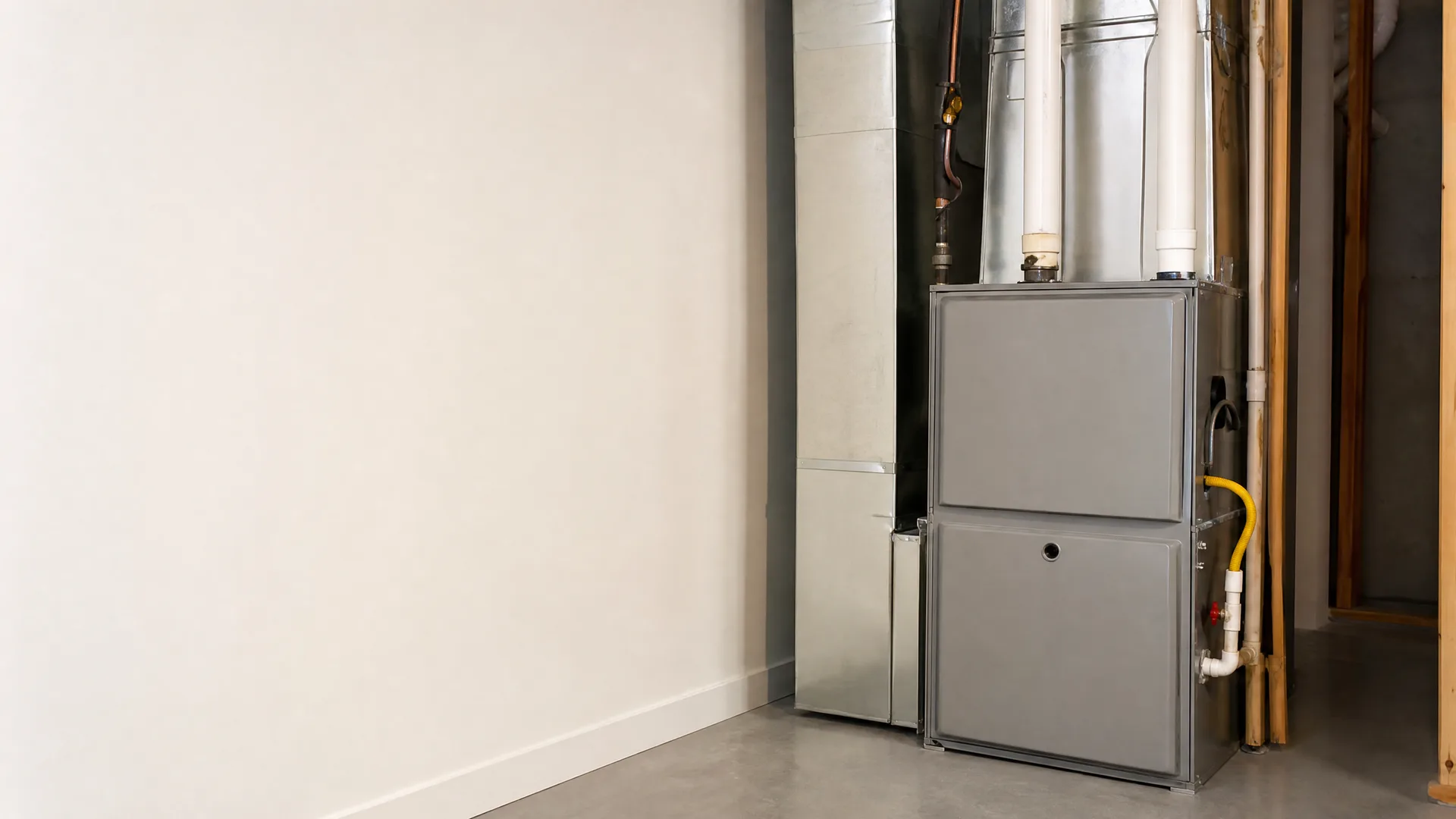
A gas furnace with sheet-metal ductwork, PVC vent pipes and copper and black piping stands against a wall in a basement with a bare light-colored wall and concrete floor.

What the flame sensor does

The flame sensor is a thin metal rod sitting in the burner flame. It proves to the control board that gas is actually burning. If the rod builds up a layer of carbon or oxidation, it can't read the flame properly, and the board shuts the gas valve as a safety measure. That's a furnace cycling off after a minute or two, not a thermostat problem or a cold snap.

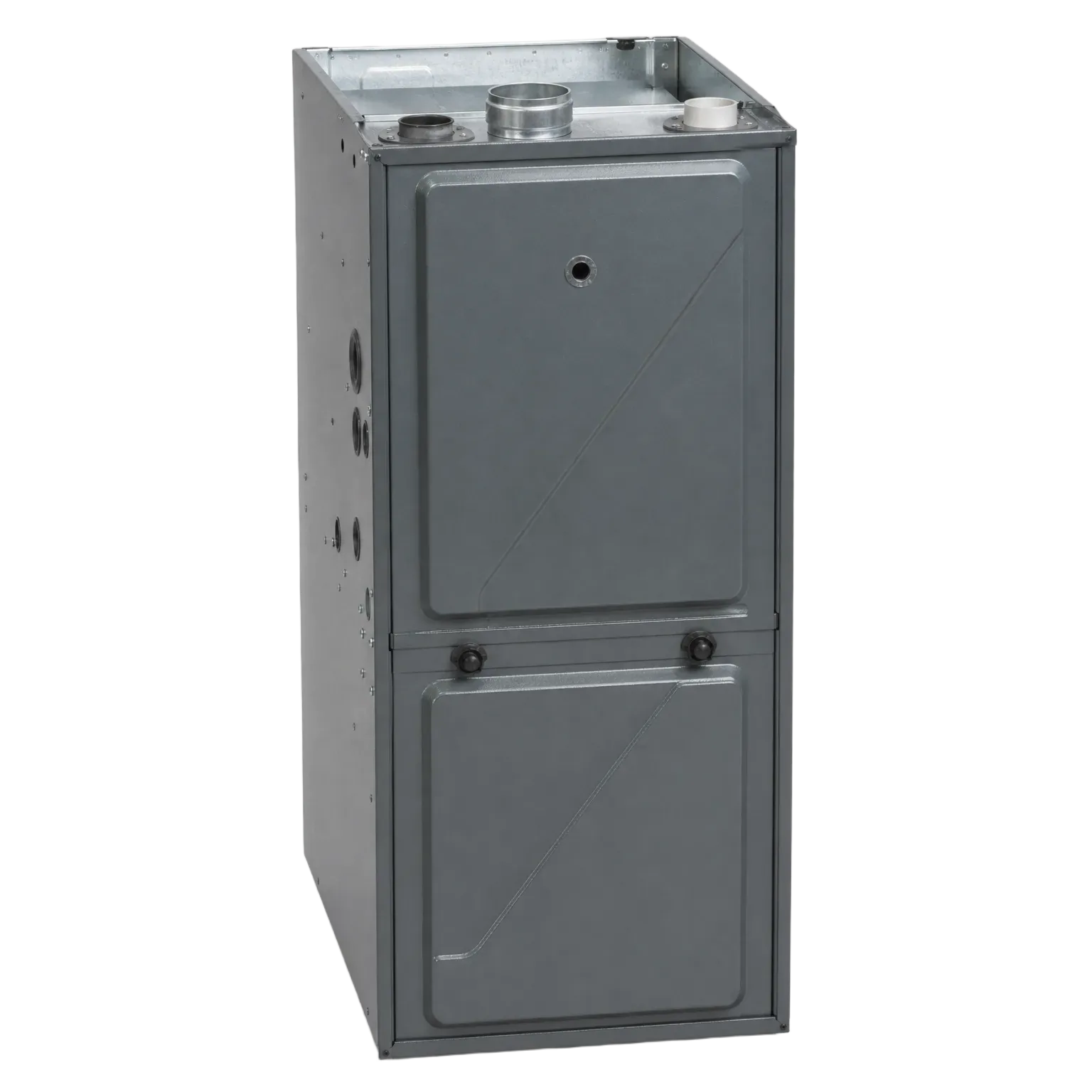
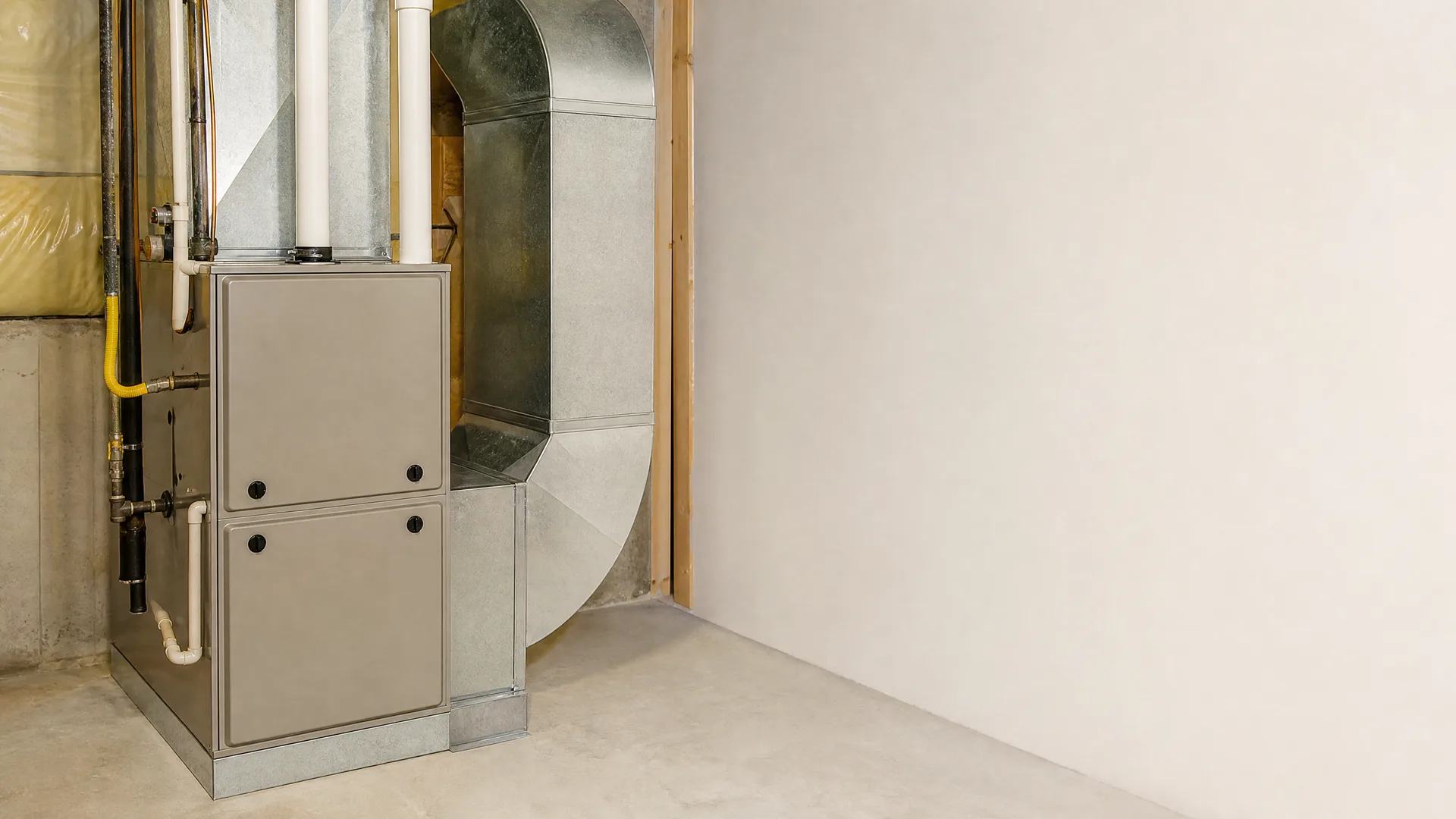
A gray furnace with attached sheet-metal ductwork, white PVC vent pipes, copper and yellow gas lines stands against a wall in a room with a plain white wall and concrete floor.

Why a dirty filter adds up

A clogged filter chokes airflow across the heat exchanger. The furnace reads that as overheating and a limit switch trips to stop it before it damages the exchanger. Idaho homes running gas heat from fall through spring pull a lot of air through that filter over those months, and a filter that looked fine in October can be restricting airflow enough to trip the switch by January.

DIY Cleaning vs. Calling a Tech

Call a repair tech

  • A tech who works on furnaces all winter in Idaho can tell a dirty flame sensor from a failing one by how it reads, not just by looking at it.
  • The same visit covers checking the igniter, the pressure switch, and the limit switch, since more than one of these can cause short cycling at once.
  • A proper repair includes testing the furnace through a full cycle afterward, so you know the fix held and it's not shutting down again in an hour.
  • Gas is involved, and a furnace that's short cycling because of a cracked heat exchanger or a venting problem needs someone qualified to find that before it gets worse.
  • A local contractor already knows which furnace brands and models in Idaho tend to have this problem, so the diagnosis usually goes faster.

Clean it yourself

  • Shutting off power and pulling the sensor to wipe it with a fine abrasive pad or steel wool is within reach if you're comfortable opening the furnace cabinet.
  • It won't tell you whether the sensor itself is failing versus just dirty, so the furnace can start short cycling again within days.
  • A clogged filter can cause the same on-off pattern, and swapping that out is simple and doesn't require touching the burner assembly.
  • It does nothing for a bad igniter, a failing pressure switch, or a cracked heat exchanger, which all show the same symptom but need parts and testing a homeowner usually can't do.
  • Getting it wrong on a gas furnace isn't like getting it wrong on a light fixture, so anything past the filter and a simple sensor wipe is worth having someone qualified look at instead.
A gray high-efficiency furnace stands on a concrete basement floor beside galvanized sheet-metal ductwork, with white PVC vent pipes, gas and water lines, and unfinished wood framing behind it.

Running the way it should

The burner lights and stays lit. Air keeps moving through the ductwork until the thermostat is satisfied, then the furnace shuts off on its own and stays off until the house calls for heat again. No short cycling, no repeated restarts.

A beige furnace with two louvered front panels stands on a concrete basement floor beside galvanized ductwork, metal pipes, and a wooden post.

Short cycling

The furnace fires, runs a minute or two, then cuts out before the house warms up. It tries again a few minutes later. Left alone, that repeated start and stop wears on the igniter and the flame sensor faster than normal running would.

A gray-haired man in a dark long-sleeve shirt sits on a gray sofa in a living room, looking toward a sunlit window with sheer curtains.
A gray-haired man in a dark green sweatshirt sits on a sofa in a living room, looking toward a bright window, with a houseplant, lamp, fireplace and framed art behind him.
A gray-haired bearded man in a dark green collared sweater sits on a sofa in a living room with a window, houseplant, floor lamp and bookshelves, looking off to the side.
A gray-haired man in a dark green sweater sits on a sofa in a sunlit living room, looking off to the side, with a framed landscape painting, dining table and shelving behind him.

Skip the calls to every shop

The pro who reaches out is licensed in Idaho.

Asking costs nothing, and the choice to hire stays yours.

Every short cycle is another cold start, and in an Idaho winter your furnace might be doing that forty or fifty times a day instead of running in normal heating cycles.

That's forty or fifty extra chances for the igniter to fail for good, and once it does, your furnace won't start at all until someone replaces it.

A beige residential furnace stands on a concrete basement floor beside galvanized sheet-metal ductwork, a round flue pipe, copper gas piping, and a PVC condensate line, with a wood-paneled wall at right.
Before you get your furnace repair
A gray high-efficiency furnace in a basement with white PVC vent pipes, sheet-metal ductwork, copper and black piping, a condensate pump, and insulated walls above a concrete floor.
After you get your furnace repair

Is this what's happening in your house right now

You've probably noticed the furnace kicking on, running for a few minutes, then quitting before the room warms up. Then it starts again. You might hear the burner light, a short run, then silence, over and over. Some rooms stay cold no matter how many times it cycles. The vents blow air that never quite gets warm enough. If you check the thermostat, it may still show a few degrees short of the setting even though the furnace has run several times in the last hour. Left alone, those repeated cold starts wear on the parts that get stressed most by starting up, and a furnace that won't hold a heat cycle on a cold Idaho night isn't one you can count on.

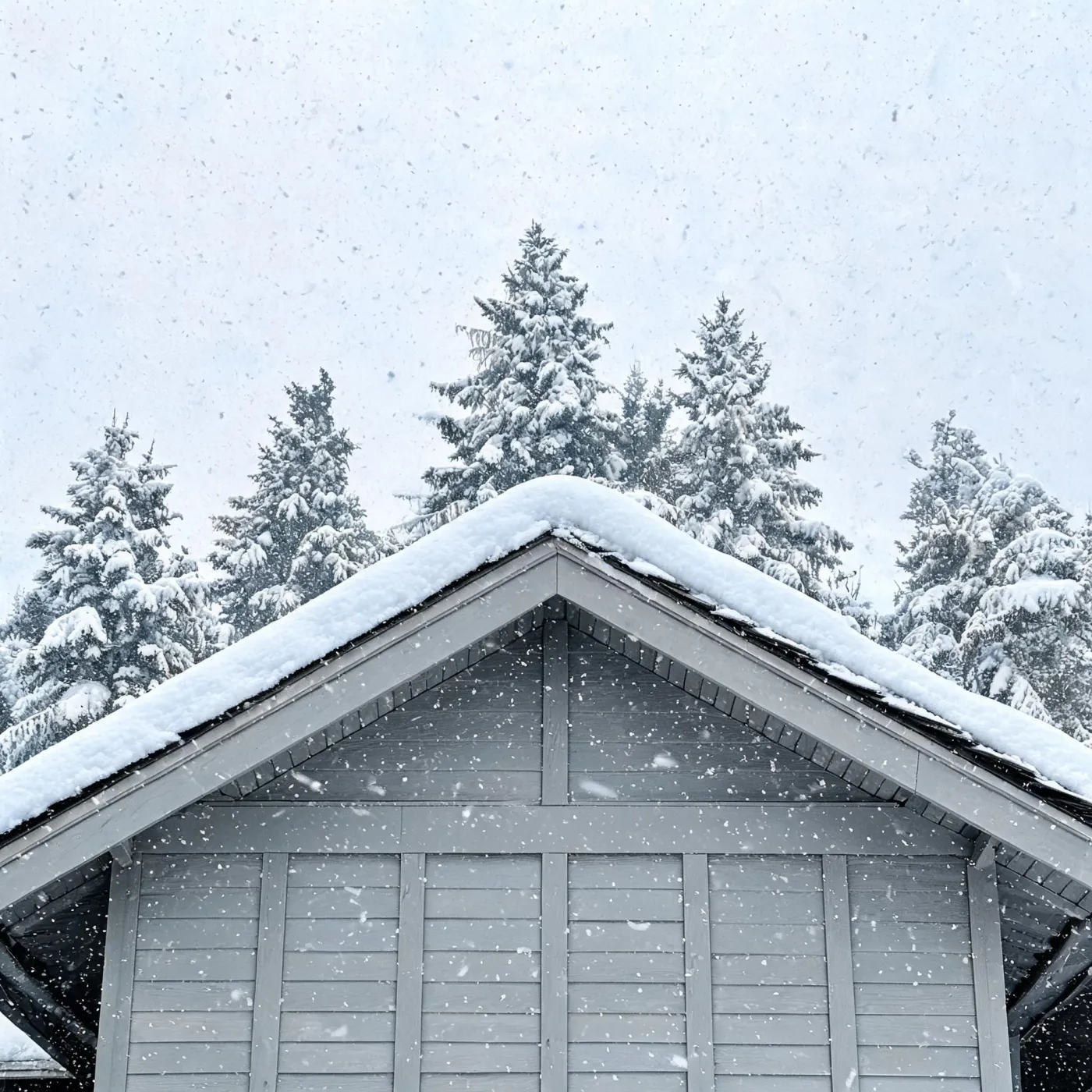
The snow-covered gable end of a gray wood-clad building, with snow-laden conifers and falling snow behind it under an overcast sky.

Winter nights across Idaho average 22°F, according to NOAA climate data. At that temperature your furnace isn't cycling on for a few minutes here and there. It's running long stretches to keep up, which means the burner and flame sensor are lighting far more times over a winter night than they would somewhere milder. A sensor that's already coated with carbon gets worked harder on nights that cold, and a short cycling furnace has less time between starts to cool down before it has to fire again. That's when you'll notice the house never quite catching up to the thermostat setting, even though you can hear the burner working.

NOAA nClimDiv 1991-2020 county normals weighted by homes

A gray high-efficiency furnace stands on a concrete basement floor beside galvanized sheet-metal ductwork, white PVC vent pipes, copper and black piping, and unfinished wood stud framing.
Gas pipes and condensate lines run clean along the wall, and the furnace cycles on, heats, and shuts off on its own schedule.
A gray furnace with two access panels stands on a concrete basement floor beside sheet-metal ductwork, with pipes, flexible conduit and an electrical box on the concrete wall to the left.
Same basement, same gas and drain lines, but a furnace that won't complete a cycle is wearing out its igniter one short run at a time.
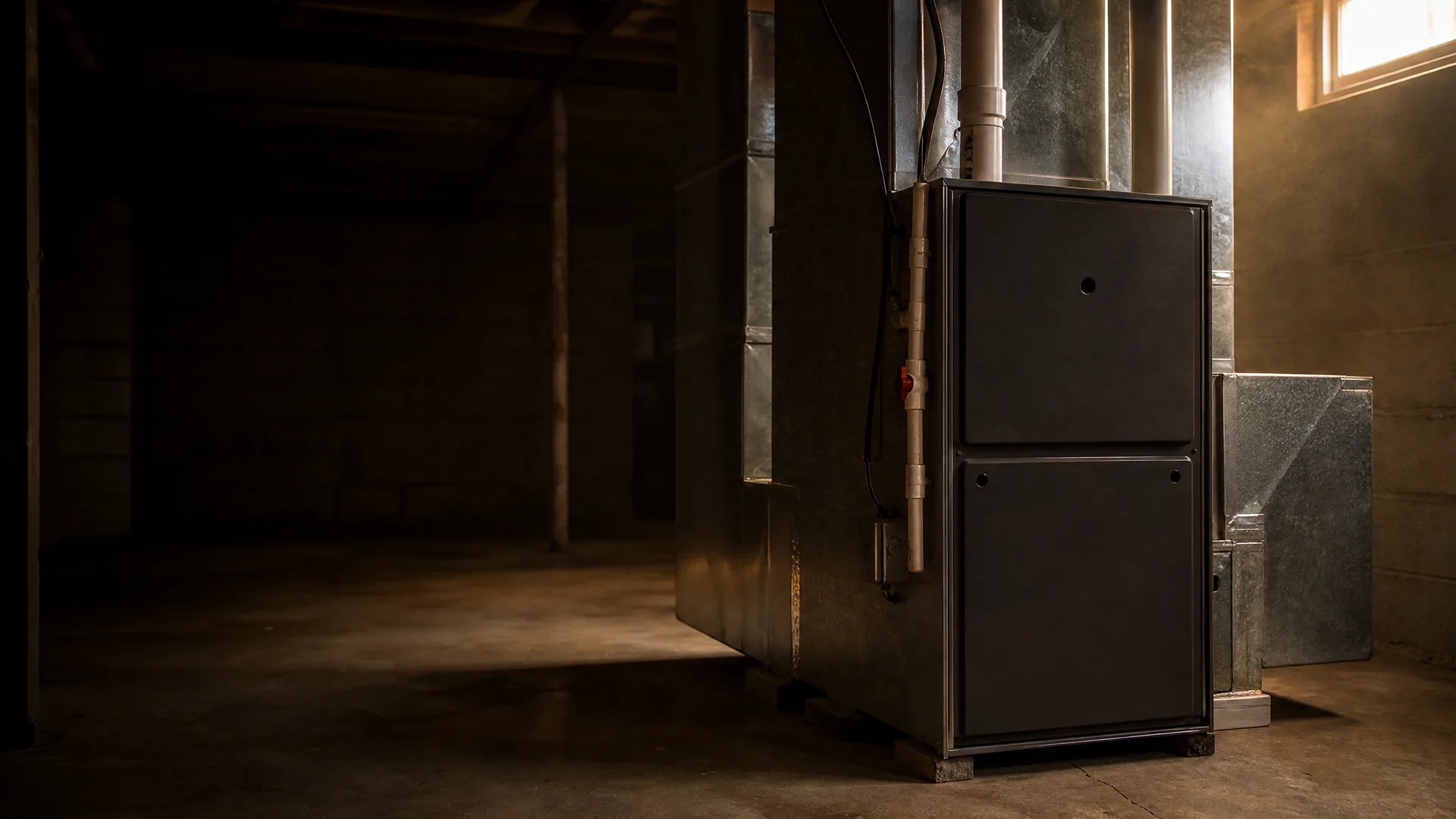
A dark residential basement with a concrete floor and block walls, containing a furnace with two access panels connected to galvanized sheet-metal ductwork and a white vent pipe, lit by a small window at upper right.

It's just past six and the house has gone quiet in that way it does when the furnace cuts out again. You're down in the basement with a flashlight, not because you know what you're looking for, just because the cold finally got you off the couch. The furnace sits dark. No hum, no flame, nothing. A little dust hangs in the flashlight beam near the burner compartment, stirred up from the last time it kicked on and off. Outside it's already down near freezing, the kind of November evening where Idaho nights start dropping fast once the sun's gone. You wait for it to fire again. It doesn't, not yet.
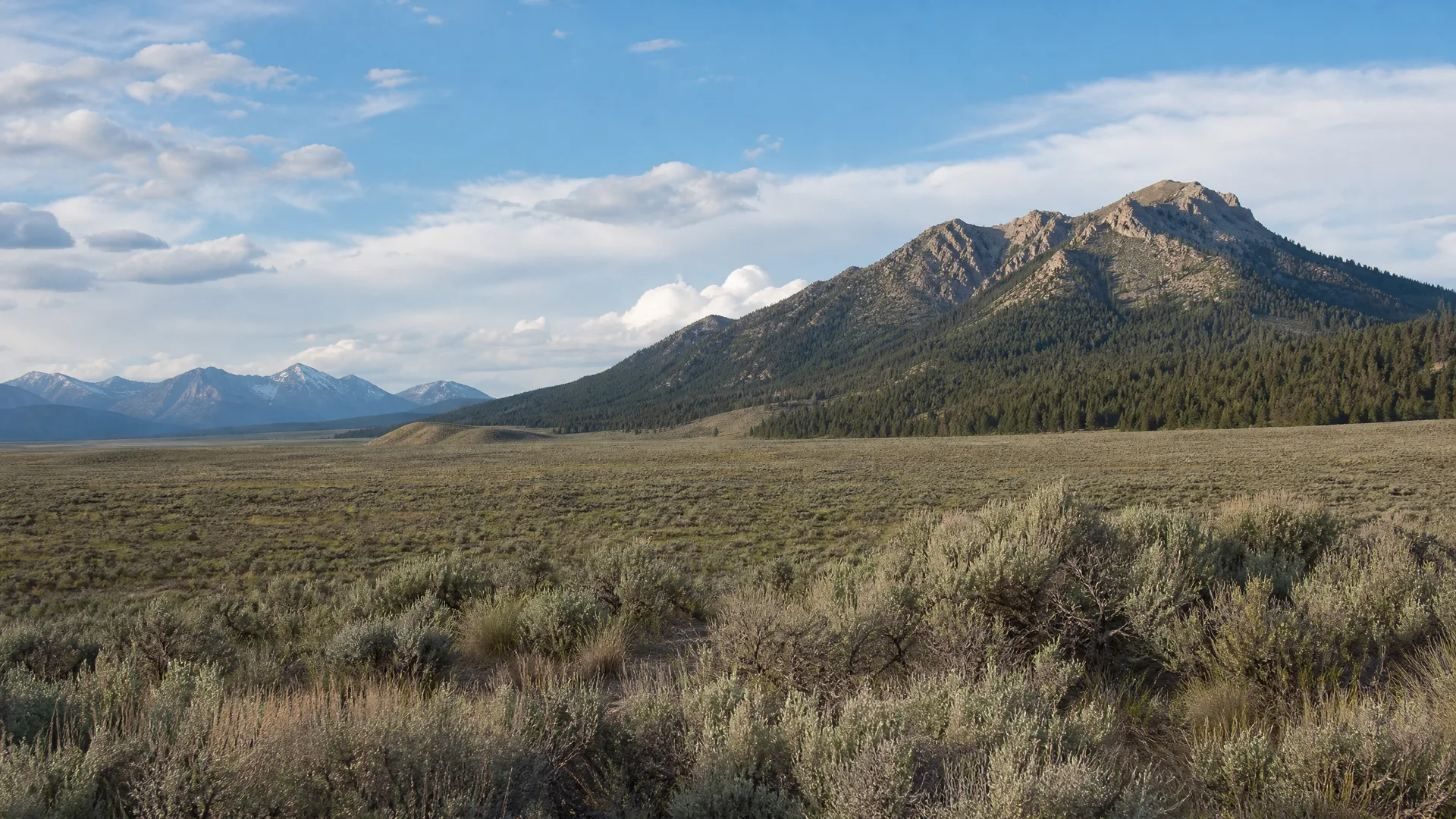
Winter nights average 22°F statewide

At 22°F overnight, your furnace has to run long stretches just to hold the house steady. Every one of those stretches depends on the flame sensor lighting and staying lit. A sensor that's already worn won't make it through many nights this cold.

NOAA nClimDiv 1991-2020 county normals weighted by homes

A woman with shoulder-length dark brown hair in a cream knit cardigan sits in an upholstered armchair beside a window, looking off to the side, with a white bookshelf and potted plant blurred behind her.
A woman with dark hair in a bun sits wrapped in a chunky knit blanket on a couch with a child resting his head on her shoulder, eyes closed, beside a lit lamp and bookshelf indoors.

What this comes down to

  • Short cycling almost always traces back to a flame sensor or igniter the furnace can no longer trust, not a thermostat problem.
  • Left alone, the extra cold starts each night wear down the same parts faster until one of them fails outright.
  • A furnace that completes its cycle will run long stretches on a 22°F night and shut off on its own once the house is warm.
  • A tech who services furnaces across Idaho winters knows what a sensor reading like this usually means before the panel is even off.
  • One contractor comes out, looks at the sensor, igniter, and switches in the same visit, and you're not fielding calls from three different companies.
  • You already know what you're hearing in the basement at six o'clock, and this is what fixes it.

A furnace that quits every few minutes and relights is short cycling, and in nearly every case the part behind it is the flame sensor or the igniter, not the thermostat on the wall. That part has been reading wrong or lighting late for a while now, and each cold start this winter asks more of it than it has left to give. On a night near 22°F, a furnace that's working right doesn't bother with any of that. It lights once, runs as long as the house needs, and shuts off on its own. No repeated resets, no standing in the basement waiting to hear if it catches.

Getting that back doesn't mean sorting through a handful of contractors, explaining the same symptoms three times, and weighing quotes against each other. It means one visit from someone who services furnaces through Idaho winters and has seen this sensor reading before the cover panel comes off. That's the kind of call this is: one contractor, licensed to do the work, local enough to know what tends to fail first in a furnace running hard through a season like this one. You tell them what you're hearing at six o'clock when the house goes quiet, and they already have a short list of what it probably is before they get there.

You know the sound by now. The fix is a sensor cleaned or replaced, an igniter checked, a furnace that runs the way it's supposed to again.

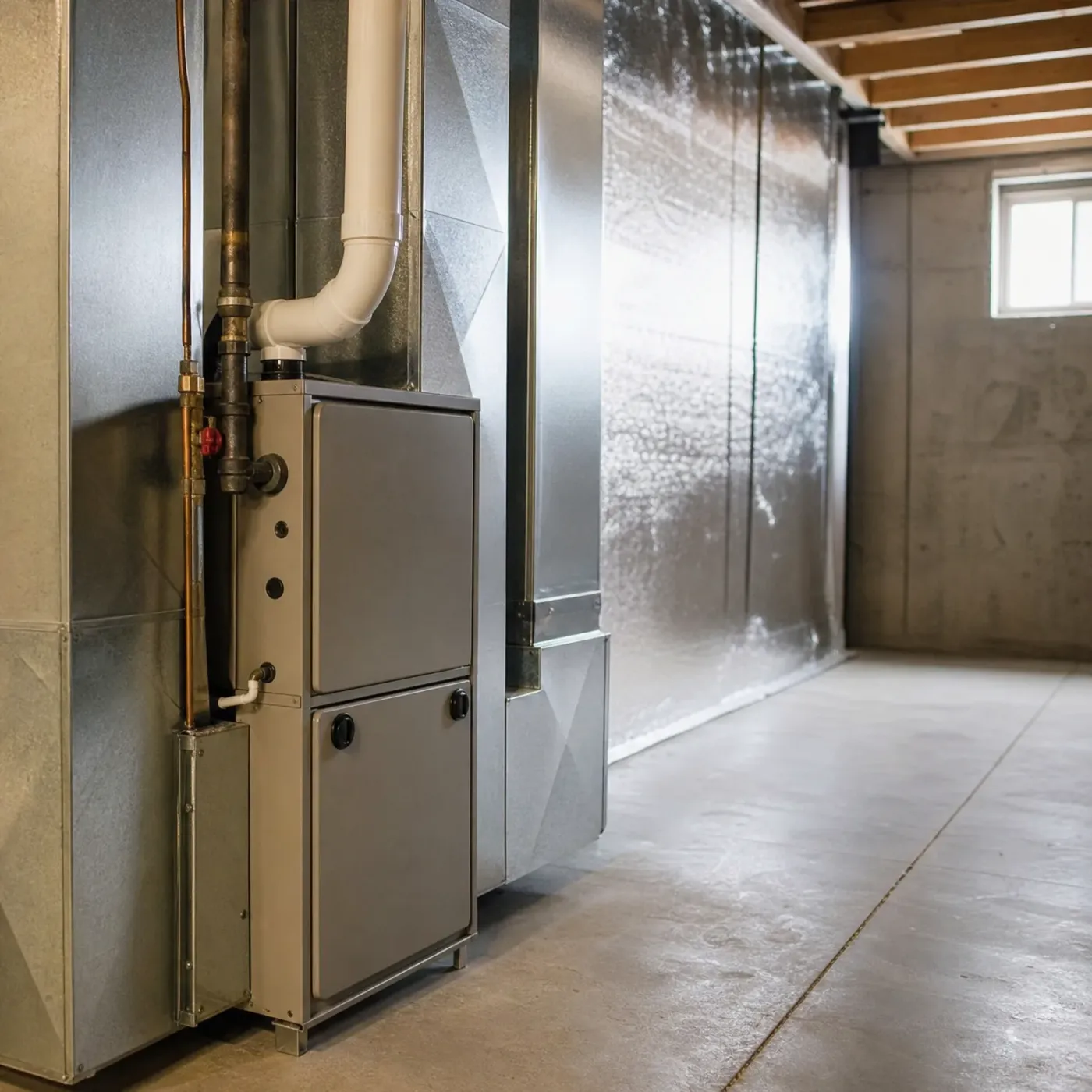
A gray furnace with a white PVC vent pipe and copper piping stands beside large galvanized sheet-metal ducts in an unfinished basement with concrete floor, concrete walls, foil-faced insulation, and a small window.

Skip calling around

Get a licensed local pro

Only one pro gets your request, so you hear from one company.

No fee to send it, and nothing to sign.