Why your furnace makes a banging noise in Idaho

Step 1 of 3: Equipment

Why does my furnace make a banging noise when it starts?

You hear it every time the furnace kicks on this winter, a bang or thump from somewhere near the burners before the heat starts moving. It's loud enough to notice from the next room, and it's got you wondering if something is about to break or if it's already damaged.

It's a delayed ignition, and it means gas is building up before it lights

That bang happens when the burners don't light right away. Gas keeps flowing into the chamber for a second or two longer than it should, and when the igniter finally sparks, it lights all that built-up gas at once instead of a small steady flame. That's the thump you hear. A dirty igniter, a clogged burner, or a flame sensor reading wrong can all cause the delay. With gas heat running most of the winter in Idaho, that burner is lighting dozens of times a day, and each delayed start is a small, hard hit on the heat exchanger. It doesn't usually fix itself, and the longer it goes on, the more wear it puts on that part.

A beige high-efficiency furnace stands on a concrete basement floor beside sheet-metal ductwork, with white PVC vent pipes, flexible conduit and copper and steel piping running up a concrete wall to an electrical box.

A quiet start

When a furnace lights up right, you barely hear it. The burners catch at once, the blower comes on a few seconds later, and warm air starts moving through the ducts. No bang, no thump, just the low hum you expect on a cold Idaho morning.

An older gas furnace with a louvered front panel stands on a concrete basement floor beside large sheet-metal ductwork, a metal flue pipe, copper piping and wood framing.

A delayed bang

Dust built up around an older furnace often means gas has been pooling in the burner chamber before it finally catches. That delay is what causes the bang. Left alone, it stresses the heat exchanger a little more each winter.

Is this worth paying attention to in your house

You already know the sound. It's the bang that makes you glance at the vent, then at the thermostat, then back at whatever you were doing because the heat did come on anyway. Some nights it's one thump. Other nights it's three or four before the furnace settles into its normal run. You might notice a burnt smell for a second after, or a knock that rattles the duct near the furnace closet. None of that fixes itself. Gas igniting late inside a closed burner compartment is a small explosion happening where it shouldn't, and every winter you run it that way adds wear to the heat exchanger. That's the part that keeps combustion gas on its own side of the system.

A smiling bearded man in a dark green hooded jacket and blue t-shirt sits on a couch in a living room with shelves, a potted plant, and a bowl of popcorn on a wooden table.
A smiling man in a green long-sleeved shirt sits on a beige sofa in a living room, with a bowl of popcorn in the foreground, a large potted plant and shelving behind him.
A smiling man in a dark blue T-shirt sits on a couch in a dimly lit living room with a bowl of popcorn and a remote on a wooden table, a lit floor lamp and bookshelves behind him, and windows showing greenery.
A smiling bearded man in a dark green long-sleeved shirt sits on a leather couch in a living room, with a bowl of popcorn and a remote control on a wooden table in the foreground.
A closed silver laptop and a glazed ceramic mug on a wooden table, with a blurred kitchen counter, potted plant, cutting board and window in the background.

What's actually happening inside the burner chamber

Gas furnaces light with an igniter near the burners, not a pilot light. When the igniter fires late, or only part of the burners catch right away, gas builds up in the chamber for a second or two before it finally lights. That small cloud of gas goes up all at once instead of catching clean, and the bang you hear is that delayed ignition. It usually points to a dirty burner, a flame sensor reading weak, or a cracked heat exchanger letting the flame behave strangely. None of those get better on their own, and a furnace that bangs at every start cycle all winter is working harder to heat your house than it should.

Sorting out which one it is means getting a gas furnace open and testing the burners and the sensor directly, not guessing from the sound alone. That's the part that takes real time if you're on your own with it, calling around Idaho to find someone licensed who works on gas furnaces, explaining the bang over the phone to each one, then waiting to see who actually shows up. Send one form here and that search is done, someone qualified gets matched to the job without you having to make the calls yourself.

Interior corner of a living room with a beige upholstered sofa and dark cushion in the foreground, a ceramic vase of leafy branches on a dark side table by a curtained window, a framed picture on the wall, and a wood-surround fireplace at right.
A dark interior hallway with a dim window at the end, a wooden floor, a stair railing on the right, and a bench or rug in the foreground.

It's 2 a.m. and the house is quiet. You're up the hallway getting a glass of water when the furnace kicks on below, and there it is again, that bang through the floor vents. Then nothing. No warm air behind it. You crouch by the vent in the hall and feel it, cold. Frost has crept up the edges of the window at the end of the hall. The house is thirty-some degrees outside and dropping, and whatever that bang was, it didn't end in heat this time. You stand there in the blue dark, waiting for the blower to catch up. It doesn't.

Hand off the search today

Describe what your furnace is doing once, in one form.

No fee to send it, and nothing to sign.

Why delay makes it worse

A furnace that bangs once in a while on startup is one thing. A furnace that bangs every time, all winter, is building a habit of stress on the same metal. Each delayed ignition is a small gas buildup igniting faster and harder than it should. That repeated jolt is what cracks a heat exchanger over time, not one bad start. Idaho winters run long enough that a furnace firing up twice a day for months gives a bad igniter or dirty burner plenty of chances to do that damage before spring.

What a tech checks first

A technician looking at a banging furnace starts at the burners themselves, not the blower or the ducts. They check the igniter's position and glow, since one sitting too far from the gas port lights late. Next comes the burner ports, looking for rust or dust blocking even flame across all of them. Low gas pressure gets checked too, since it slows how fast the flame catches. Most of the time the fix is in that chamber, not somewhere else in the system.

A woman in a dark gray sweater reclines on a light sofa with eyes closed and a slight smile, under a textured gray blanket with an open book resting on her lap, with a lit table lamp and plant in the background.
A smiling bearded man in a navy crewneck sweater sits at a dinner table with a glass of red wine, plates and glasses in the foreground, in a dimly lit room with a lamp and framed picture behind him.

One call tonight

You send the form once and you're done. No searching for who works on furnaces near you, no calling three places and waiting on hold, no explaining the bang all over again to each one.

Hand off the search

Keep living with it

The furnace still runs, so it's easy to let it ride. But you're still the one checking the vent every time it kicks on, still deciding tonight isn't the night to deal with it.

Hand off the search

Winter nights average 22°F statewide

Idaho winter nights average 22°F, cold enough that your furnace is firing often, sometimes several times an hour, to keep the house warm. Every one of those startups is a chance for that bang to happen again, not just once this season.

NOAA nClimDiv 1991-2020 county normals weighted by homes

A gray high-efficiency furnace with white PVC vent pipes stands in an unfinished basement beside sheet-metal ductwork, gas piping, and insulated stud walls on a concrete floor.
A furnace running clean. The burners light together, the blower kicks in behind them, and the gas line and drain pipes do their job without a sound worth noticing.
A beige sheet-metal furnace with a louvered upper panel stands on a concrete basement floor, connected to galvanized ductwork, white PVC vent pipes, and a metal gas line with an electrical box.
A furnace under strain. Same ductwork, same gas line, but a delayed catch at the burners means that bang is coming again at the next cycle.
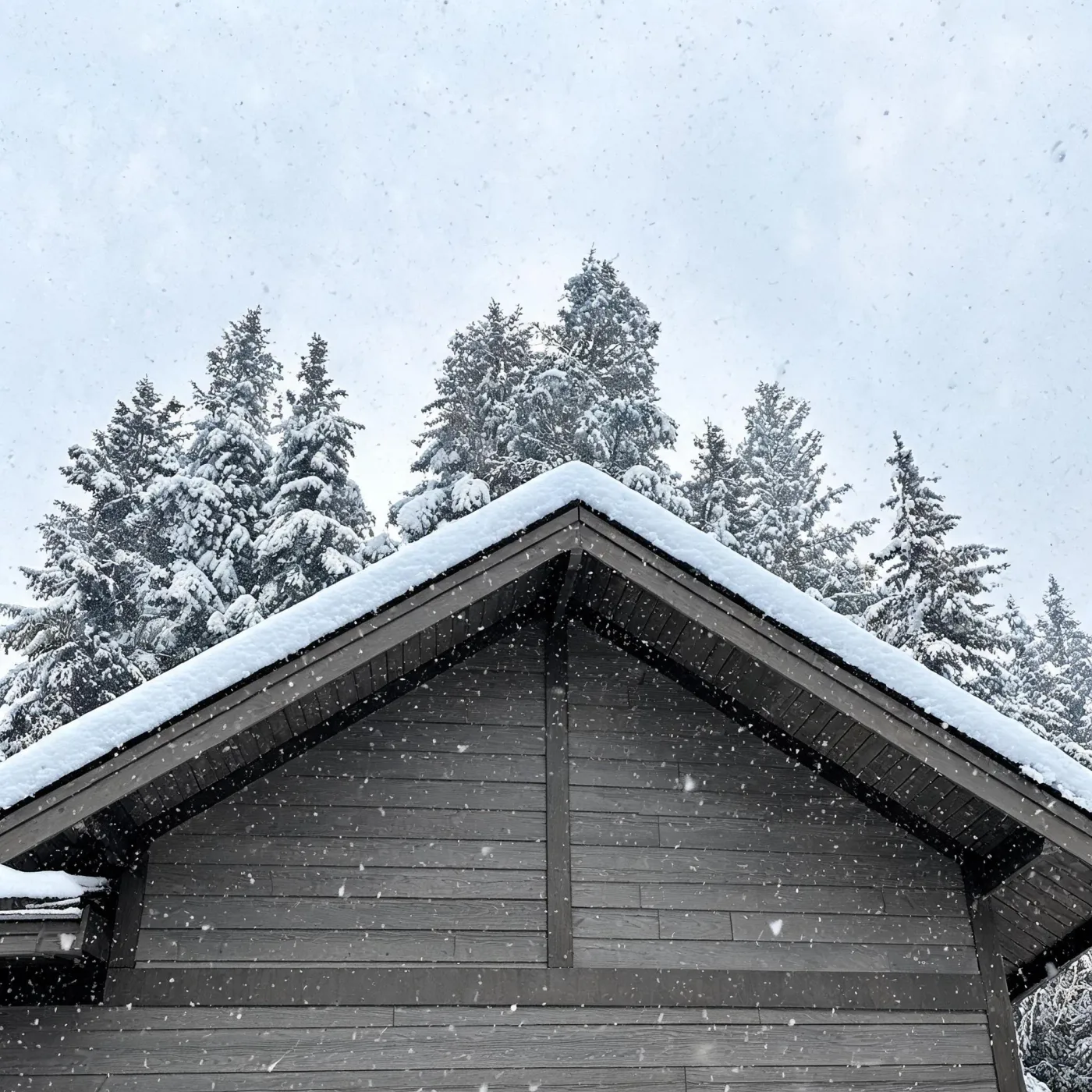
Snow-covered gable roof and dark wood-clad upper wall of a building, with snow-laden conifers and falling snowflakes against a pale overcast sky.

Winter nights average 22°F statewide, and your furnace has to answer for every degree of that. That cold outside means it's not running once or twice an evening. It's cycling on and off most of the night, the burners lighting again and again to hold the house at temperature. Each one of those startups is a fresh chance for that bang, so a furnace that bangs on a 40°F night will likely bang harder, and more often, once it's working against 22°F. It's not getting better on its own as the season goes on. The cold is the thing feeding it.

Source: NOAA statewide winter averages.

NOAA nClimDiv 1991-2020 county normals weighted by homes

Get it checked or keep hearing it

Get it looked at

  • A tech can check the flame sensor and igniter timing in one visit and tell you which one is delaying the catch.
  • Fixing the delay now means the burners light together again, the way they did when the furnace was new.
  • Once it's adjusted, you stop hearing that bang every time it cycles on, which on a 22°F night is often enough.
  • A tech can also check the heat exchanger for cracks from repeated small blasts, something you can't see yourself.
  • Repair costs stay smaller than what a cracked exchanger or burner damage would run later in the season.

Let it ride

  • The furnace still heats the house, so it's easy to tell yourself the bang isn't worth the trouble of calling anyone.
  • Every cold start this winter is another chance for that same delayed catch and the same small blast at the burners.
  • What starts as a bang on startup can turn into rough running or a furnace that won't catch at all some mornings.
  • The longer the delay goes unchecked, the more it stresses the same metal around the burners night after night.
  • Waiting doesn't fix the ignition timing, so the sound keeps happening every time the thermostat calls for heat.
An older gas furnace with louvered panels sits on a concrete pad in a basement, connected to sheet-metal ductwork and PVC and metal pipes, with a water heater and wooden stair framing in the background.
Before you get your furnace repair
A gray high-efficiency furnace with white PVC vent pipes stands beside galvanized sheet-metal ductwork in a basement with a concrete floor, with a wooden staircase and railing at left.
After you get your furnace repair

The bang happens because the burners aren't lighting together, and a furnace that keeps doing it on every cold Idaho night isn't going to fix itself. A tech who checks the igniter and flame sensor can tell you which one is causing the delay and get the burners catching clean again. That's the part that takes someone with the right tools. The part that takes nothing but your evening is finding that person: looking up furnace repair in your area, calling a few, explaining the bang and the timing and what it sounds like each one again, then sitting with the quotes trying to tell them apart. Send the form once and that whole search is off your plate. You're not fixing the furnace tonight. You're just done hunting for who will.

A lit ceramic table lamp with a linen shade sits on a round wooden side table with a small vase of greenery and a dark shallow bowl, beside a beige upholstered sofa with a cushion and knit throw, below a framed artwork on a pale wall.
Corner of a beige linen sofa with a large woven cushion and a fringed knit throw, beside a potted leafy tree in a woven basket against a neutral wall.
Sunlit interior corner with a wood-framed armchair with beige cushions and a striped pillow, a leafy plant in a tall ceramic pot, a window with wood sill showing green foliage outside, and dark wood flooring.
A lit black path light beside a stone walkway leading to a dark front door of a white clapboard house, with shrubs and flowering plants in the bed at dusk.
A covered porch at dusk with a wooden front door, a lit lantern wall sconce on gray horizontal siding, a black rocking chair with a cream throw, a potted white flowering plant, a coir doormat, and a window showing a lit interior lamp.

Send one request and you're done looking

Describe your furnace job once, to one pro.

Send my request

You're not committing to anything by asking.