Tell us about the job
Takes about a minute. No obligation.
Sizing a furnace for Boise County means accounting for a heating load that runs deep into spring and starts again in early fall. Homes in Boise County, ID run heat about ten months a year, from September through June. A burner and heat exchanger cycling through that span accumulate wear at a pace that a marginally sized system cannot absorb quietly. Installers working here treat duct layout, equipment capacity, and combustion air as load questions specific to this address, because an undersized unit does not fail on the coldest night alone; it degrades across every one of the months it runs.
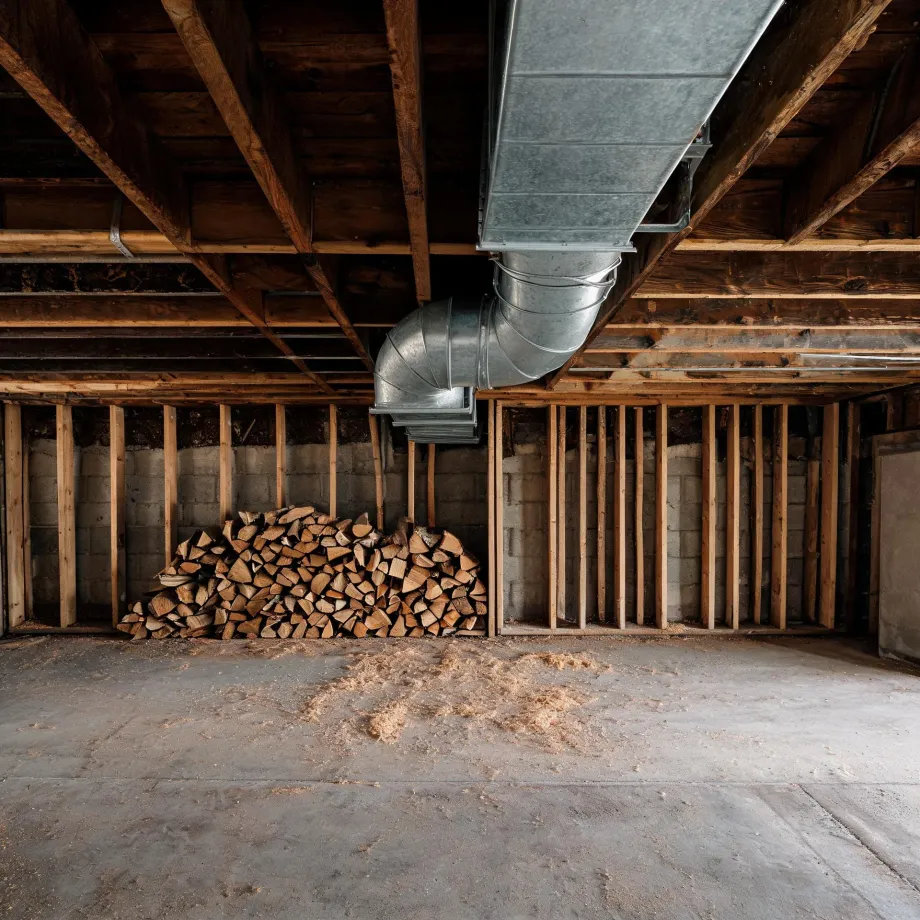
Ductwork laid out for an old gravity furnace or an early forced-air unit was not designed around the airflow a modern furnace needs, and that gap is where a furnace installation in Boise County gets complicated. Half the homes in Boise County, Idaho were built in 1991 or earlier (2020-2024 ACS 5-year). That means a contractor pulling permits here finds a real mix of original trunk lines, patchwork additions, and the occasional full replacement someone did along the way. What they find in the crawl space or the ceiling cavity determines whether the new furnace drops in cleanly or whether the duct system has to be corrected first to deliver what the equipment is rated for.
What Gets Installed With a New Furnace
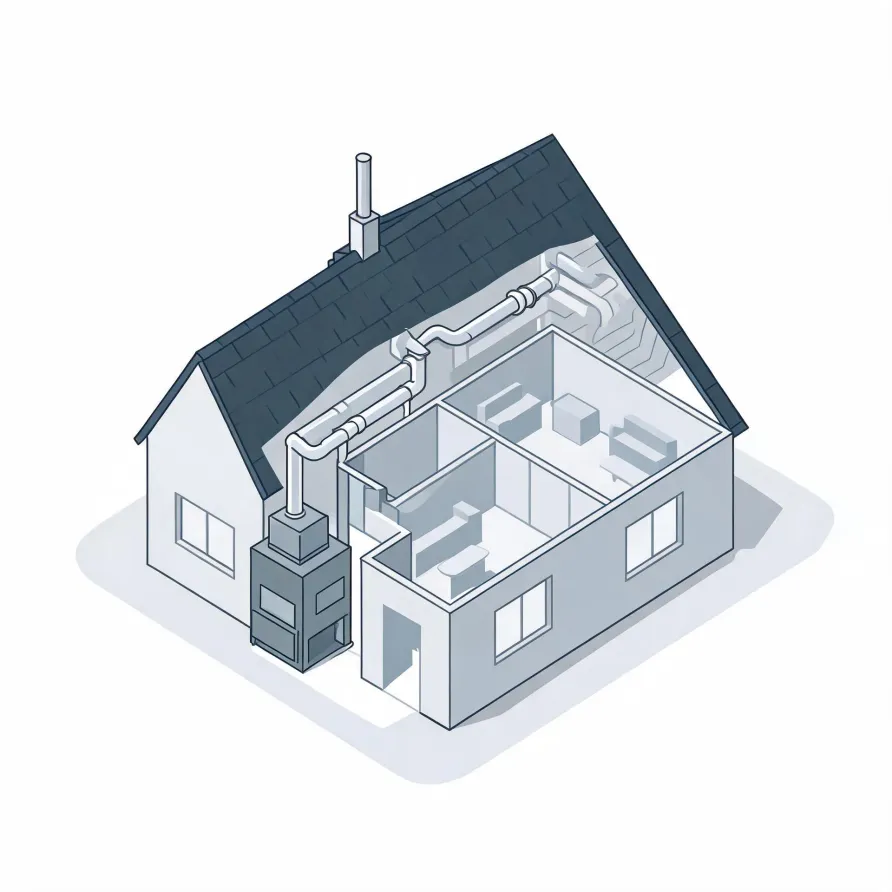
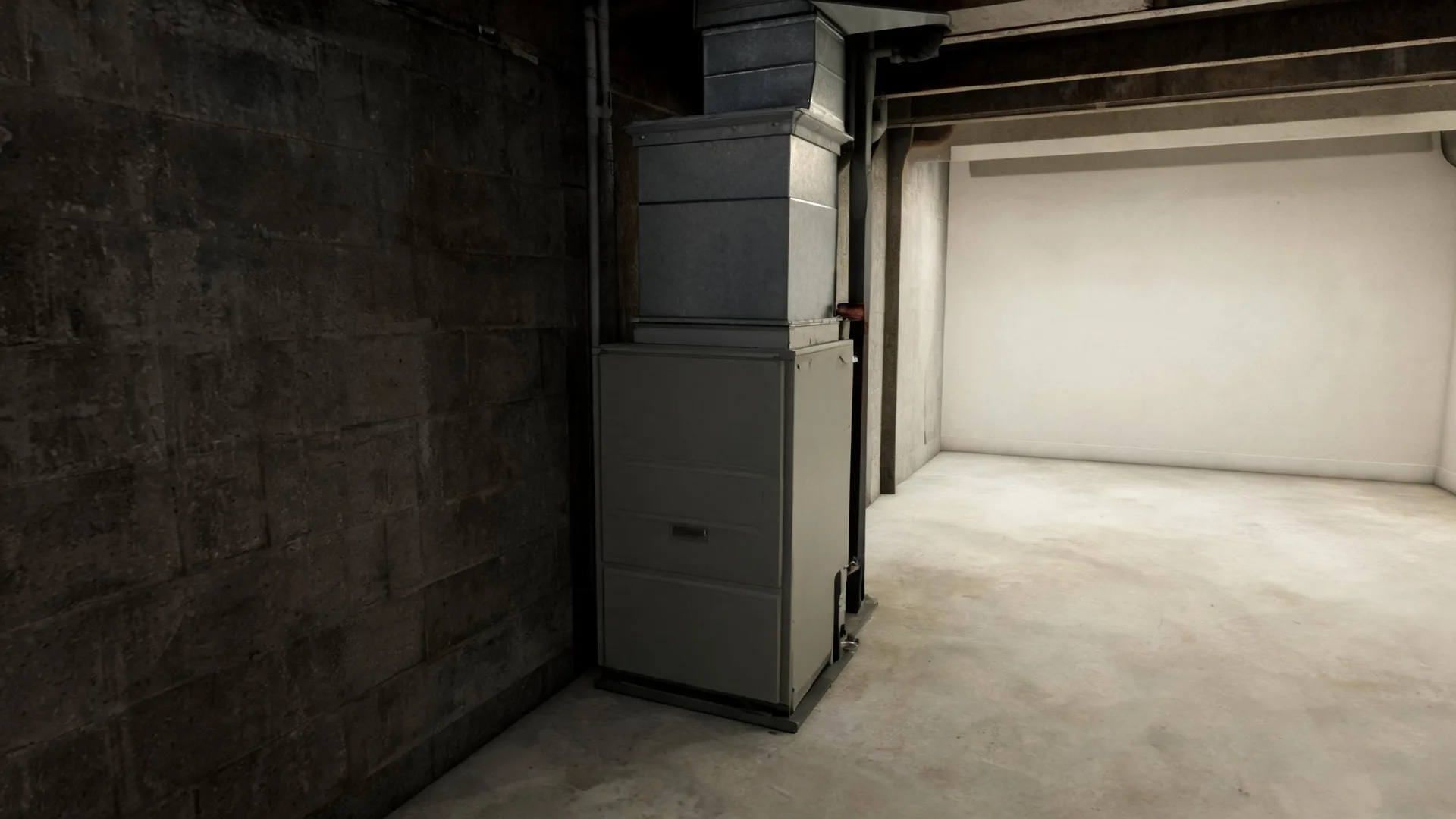
The furnace itself sits in the basement, utility room, or garage and is the unit that generates heat. A heat exchanger inside it warms the air that moves through your home, and a burner assembly feeds it fuel. The blower motor, housed inside the same cabinet, pushes that warmed air out into the supply side of the system.
The flue pipe runs from the furnace cabinet up and out of the house, carrying combustion gases away from the living space. Alongside it, a gas line connects to the burner, and a thermostat mounts on an interior wall to give the system its signal to run.
The drawing shows the general layout of these components, and a licensed contractor determines exactly what applies to your house and its configuration.
Find a contractor in Boise CountyBoise County, by the numbers
52 severe weather events were recorded in Boise County, Idaho between 2015 and 2024.
NOAA National Centers for Environmental Information, Storm Events Database, bulk CSV export, events 2015-01-01 through 2024-12-31.Half the homes in Boise County, Idaho were built in 1991 or earlier (2020-2024 ACS 5-year).
U.S. Census Bureau, 2020-2024 American Community Survey 5-Year EstimatesBoise County, Idaho holds 5,689 housing units (2020-2024 ACS 5-year).
U.S. Census Bureau, 2020-2024 American Community Survey 5-Year EstimatesOwners occupy 90.3% of the occupied homes in Boise County, Idaho (2020-2024 ACS 5-year).
U.S. Census Bureau, 2020-2024 American Community Survey 5-Year EstimatesFurnace & HVAC Installation Rules for Boise County, Idaho5 codes & standards
What the installation actually looks like
Non-weatherized gas furnaces manufactured on or after November 19, 2015 must reach 80.0 percent AFUE.
Non-weatherized oil-fired furnaces manufactured on or after November 19, 2015 must reach 83.0 percent AFUE.
Mobile home gas furnaces manufactured on or after November 19, 2015 must reach 80.0 percent AFUE.
Non-weatherized gas furnaces manufactured on or after December 18, 2028 must reach 95.0 percent AFUE, up from the 80.0 percent minimum that applies to units manufactured before that date.
Licensing and Legal Requirements in Boise County, Idaho
Idaho requires a state certificate of competency for heating, ventilation and air conditioning work: it is unlawful to engage in the business, trade or practice without passing the examination and holding the certificate.
Severe Weather Events in Boise County
Weather puts a measurable load on heating equipment, and that load varies by location. A furnace sized and installed for Boise County conditions handles local demand in a way that a generic specification does not.
52 severe weather events, 2015–2024. Source: NOAA National Centers for Environmental Information, Storm Events Database.