Tell us about the job
Takes about a minute. No obligation.
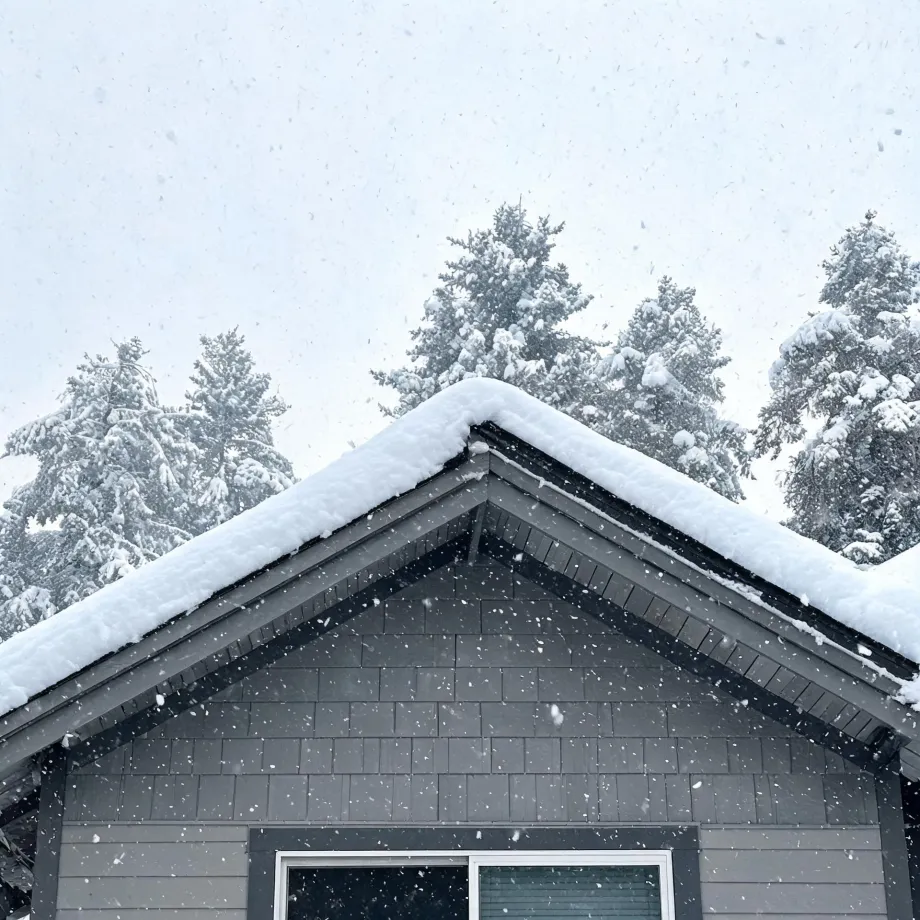
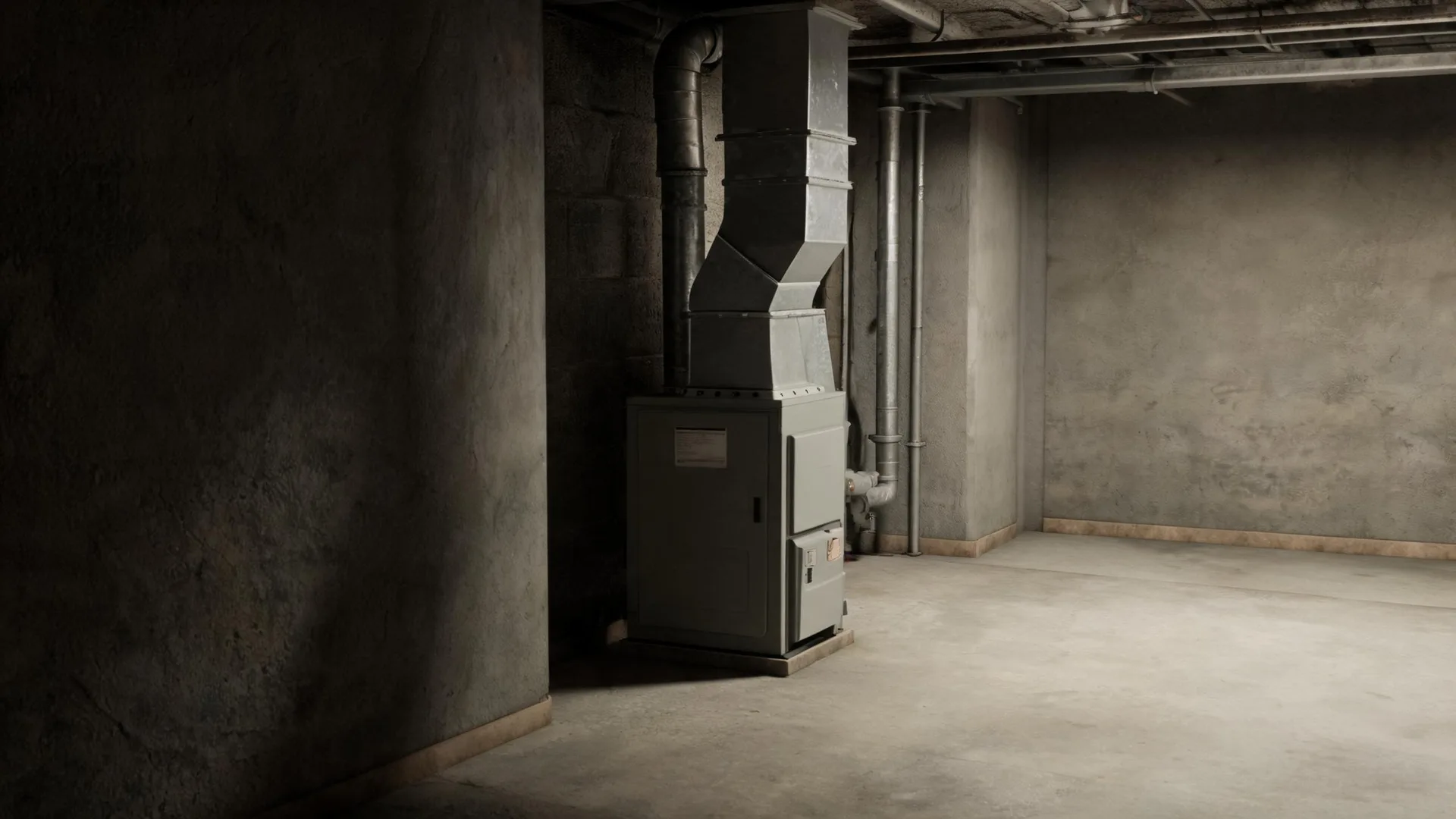
Sizing a furnace for Valley County starts with one plain fact about the heating load here. Homes in Valley County, ID run heat in every month of the year. The burner, the heat exchanger, and the ignition system cycle through that entire span without a meaningful idle period. A contractor who skips a proper load calculation and installs a unit on a rough guess leaves the homeowner with a system that strains against its own limits every winter and fails on the components that absorb every firing cycle. Correct sizing and a tight install are what keep those parts inside their design life.
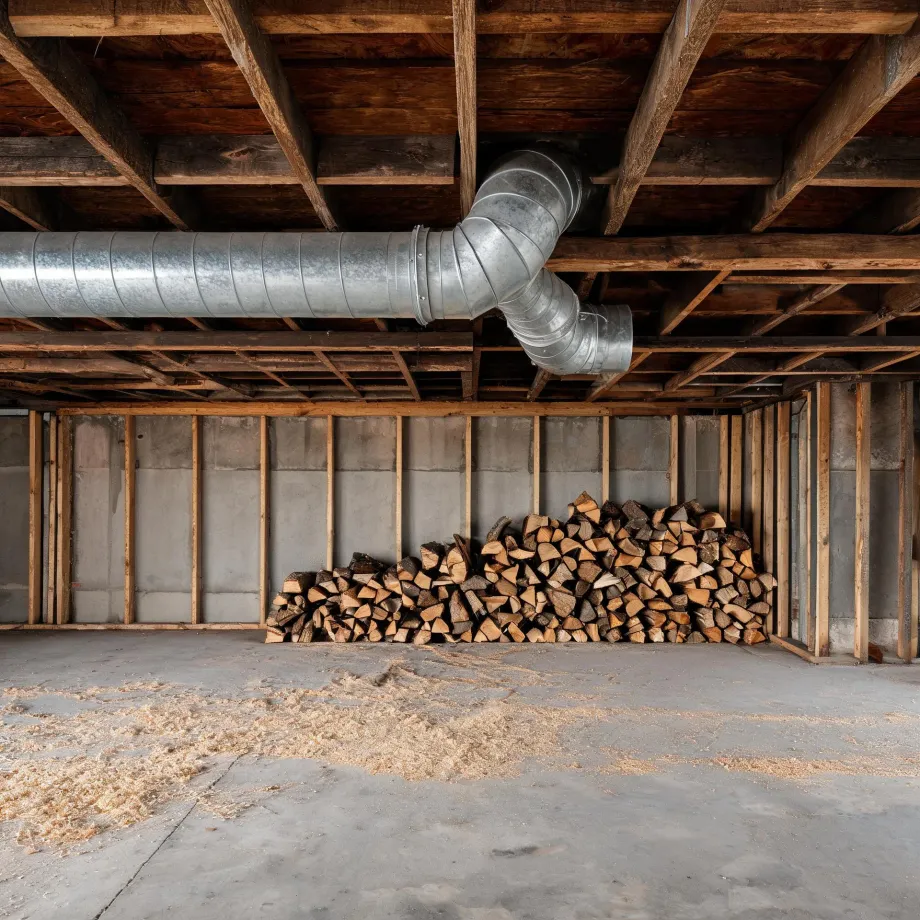
Existing ductwork is what a furnace installation turns on in Valley County. Half the homes in Valley County, Idaho were built in 1992 or earlier (2020-2024 ACS 5-year). Houses built by then were ducted for whatever system was running at the time, and those systems are long gone. A contractor sizing a new furnace has to determine whether the trunk lines and branch runs move enough air for what is going in now, and whether the electrical service supports the load. If the ductwork is undersized or laid out for a different unit configuration, that gets addressed before the new furnace goes in.
What Gets Installed With a New Furnace
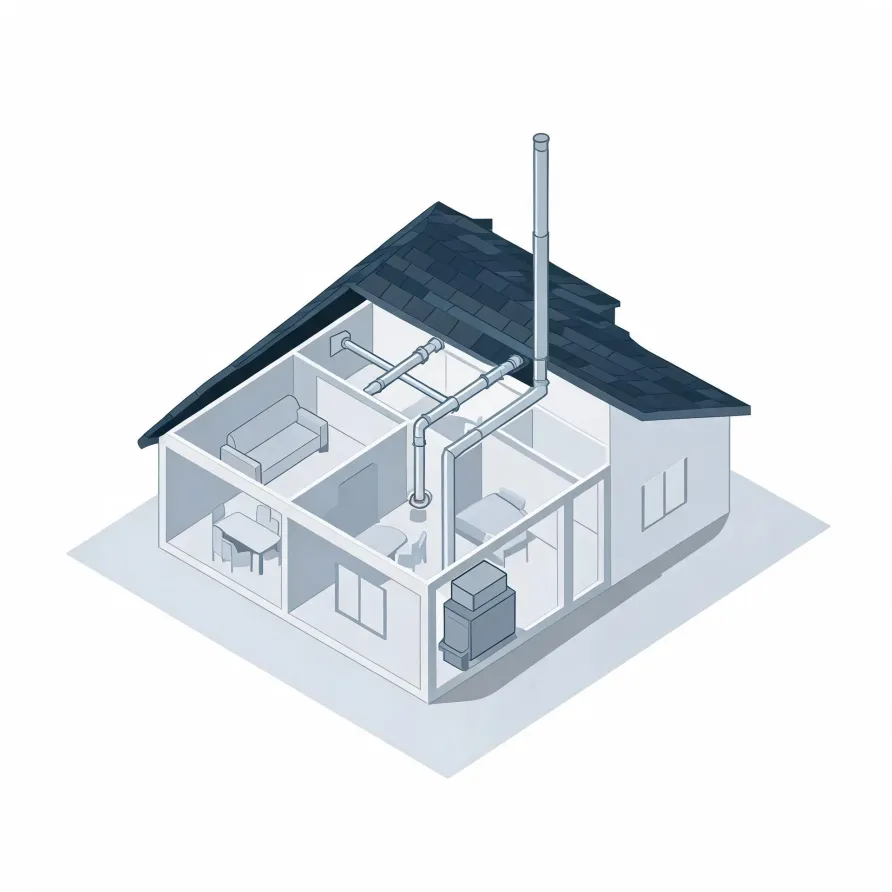
The furnace itself sits in the basement, utility room, or crawlspace and is the piece that generates heat. A heat exchanger inside the cabinet transfers warmth to the air moving through it, and a blower motor pushes that conditioned air out into the house.
The flue pipe runs from the furnace up and out of the house, carrying combustion gases away from the living space. A thermostat mounts on an interior wall and serves as the control point, telling the furnace when to fire and when to stop.
The drawing shows a typical layout, and a licensed contractor determines exactly what fits and where in your specific home.
Find a contractor in Valley CountyValley County, Idaho, by the numbers
41 severe weather events were recorded in Valley County, Idaho between 2015 and 2024.
NOAA National Centers for Environmental Information, Storm Events Database, bulk CSV export, events 2015-01-01 through 2024-12-31.Half the homes in Valley County, Idaho were built in 1992 or earlier (2020-2024 ACS 5-year).
U.S. Census Bureau, 2020-2024 American Community Survey 5-Year EstimatesValley County, Idaho holds 12,878 housing units (2020-2024 ACS 5-year).
U.S. Census Bureau, 2020-2024 American Community Survey 5-Year EstimatesOwners occupy 81.9% of the occupied homes in Valley County, Idaho (2020-2024 ACS 5-year).
U.S. Census Bureau, 2020-2024 American Community Survey 5-Year EstimatesFurnace Installation Rules and Standards on Record for Valley County, Idaho5 sourced rules and standards
What the Installation Actually Looks Like
Non-weatherized gas furnaces manufactured on or after November 19, 2015 must reach 80.0 percent AFUE.
Non-weatherized oil-fired furnaces manufactured on or after November 19, 2015 must reach 83.0 percent AFUE.
Mobile home gas furnaces manufactured on or after November 19, 2015 must reach 80.0 percent AFUE.
Non-weatherized gas furnaces manufactured on or after December 18, 2028 must reach 95.0 percent AFUE, up from the 80.0 percent minimum that applies to units manufactured before that date.
Licensing and Legal Requirements in Valley County, Idaho
Idaho requires a state certificate of competency for heating, ventilation and air conditioning work: it is unlawful to engage in the business, trade or practice without passing the examination and holding the certificate.
Severe Weather Events in Valley County
Valley County's climate puts real demand on heating equipment, and that demand shapes what a furnace installation here has to handle. What a system is built for, and how it is sized, follows directly from the conditions it will run in.
41 severe weather events, 2015–2024. Source: NOAA National Centers for Environmental Information, Storm Events Database.