Tell us about the job
Takes about a minute. No obligation.
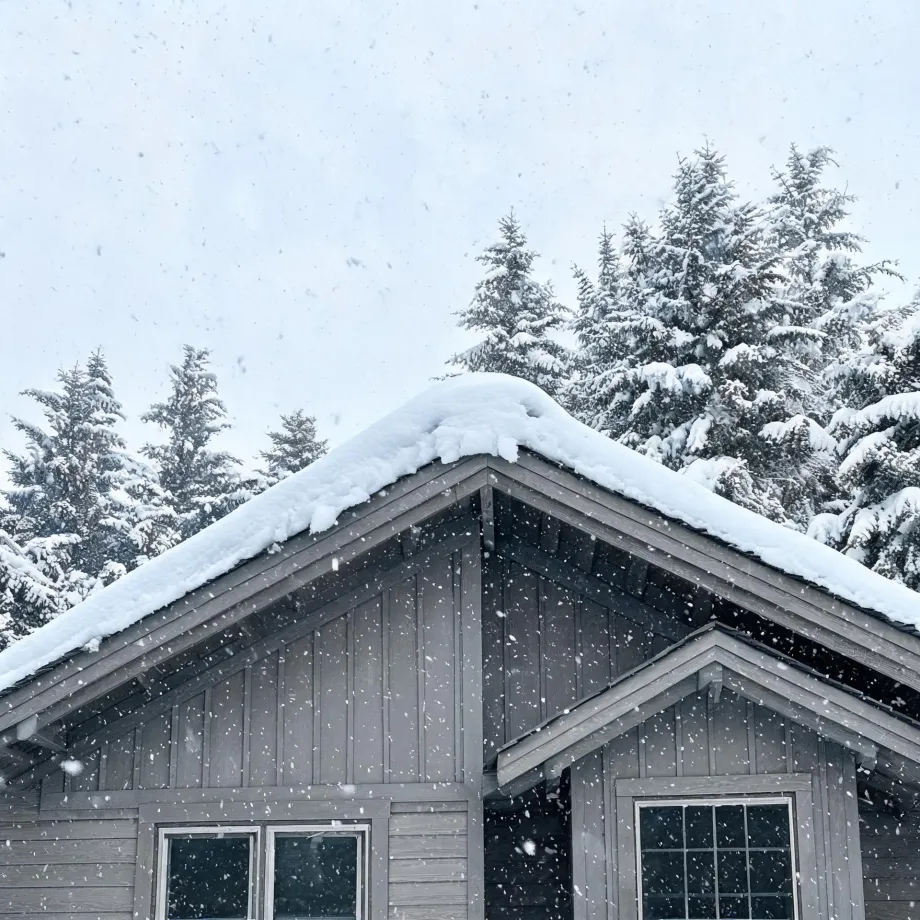
Sizing a furnace for this house is not a generic calculation. Homes in Canyon County, ID run heat about eight months a year, from October through May. The burner, heat exchanger, and ignition system cycle through that stretch without meaningful downtime, and a unit that is undersized or sloppily commissioned will show cracks, wear, and short-cycling failures well ahead of what a properly matched install would. A contractor quoting a replacement here has to establish the actual heat load of the house before committing to equipment, because getting that number wrong compounds across every season the furnace runs.
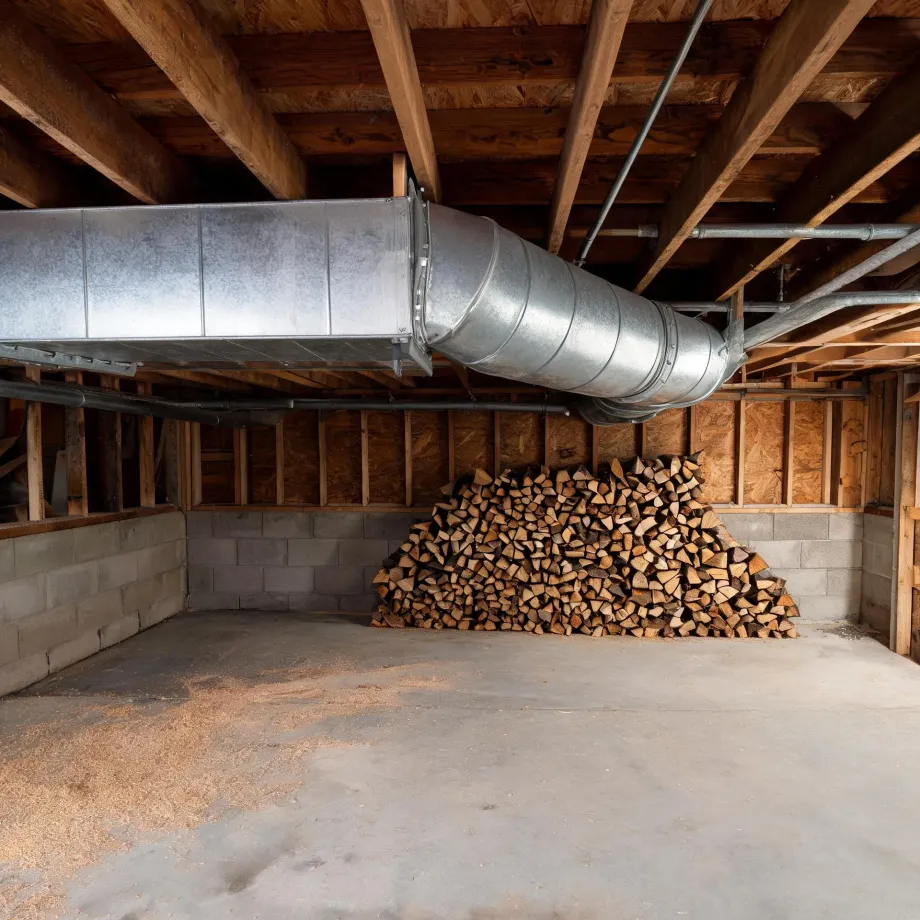
Existing ductwork is what a furnace installation in Canyon County actually hinges on. Half the homes in Canyon County, Idaho were built in 1999 or earlier (2020-2024 ACS 5-year). Houses built in that era were ducted around equipment that has since been replaced at least once, and the ductwork from the original build does not automatically carry what a current unit demands. A contractor will open the supply and return runs, check static pressure, and assess the electrical service before the new furnace is even priced. If the ductwork cannot move the volume the new unit pushes, the installation scope grows before the equipment question is settled.
What Gets Installed With a New Furnace
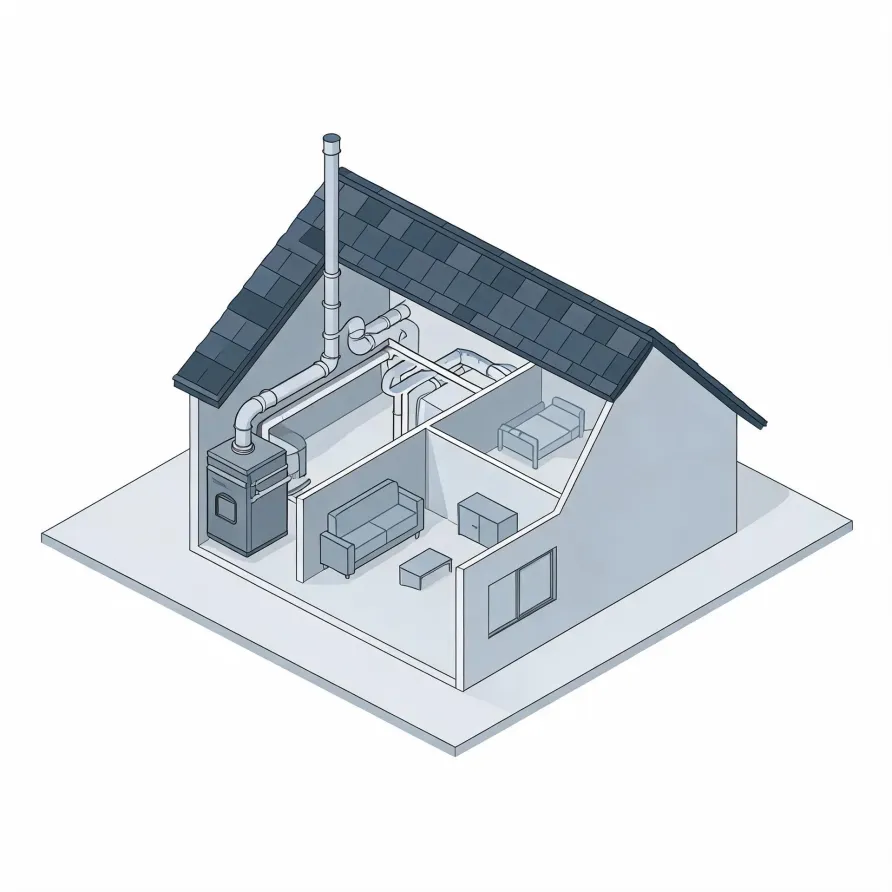
The furnace itself sits in a basement, utility room, or closet and is the piece that generates heat. A heat exchanger lives inside the cabinet, transferring heat to the air moving through it. The blower motor, also inside the cabinet, pushes that warmed air out into the house.
The flue pipe runs from the furnace cabinet up and out through the roof or an exterior wall, carrying combustion gases outside. The thermostat mounts on an interior wall and is what the homeowner sets to control the system. A drain line may also run from the cabinet if the unit is a condensing model.
The drawing shows a typical layout, and a licensed contractor determines exactly what goes where in your house.
Find a contractor in Canyon CountyCanyon County, Idaho, by the numbers
54 severe weather events were recorded in Canyon County, Idaho between 2015 and 2024.
NOAA National Centers for Environmental Information, Storm Events Database, bulk CSV export, events 2015-01-01 through 2024-12-31.Half the homes in Canyon County, Idaho were built in 1999 or earlier (2020-2024 ACS 5-year).
U.S. Census Bureau, 2020-2024 American Community Survey 5-Year EstimatesCanyon County, Idaho holds 89,135 housing units (2020-2024 ACS 5-year).
U.S. Census Bureau, 2020-2024 American Community Survey 5-Year EstimatesOwners occupy 75.5% of the occupied homes in Canyon County, Idaho (2020-2024 ACS 5-year).
U.S. Census Bureau, 2020-2024 American Community Survey 5-Year EstimatesCodes & Standards Governing Furnace Installation in Canyon County, Idaho5 sourced rules and standards
What the Installation Actually Looks Like
Non-weatherized gas furnaces manufactured on or after November 19, 2015 must reach 80.0 percent AFUE.
Non-weatherized oil-fired furnaces manufactured on or after November 19, 2015 must reach 83.0 percent AFUE.
Mobile home gas furnaces manufactured on or after November 19, 2015 must reach 80.0 percent AFUE.
Non-weatherized gas furnaces manufactured on or after December 18, 2028 must reach 95.0 percent AFUE, up from the 80.0 percent minimum that applies to units manufactured before that date.
Licensing and Legal Requirements in Canyon County, Idaho
Idaho requires a state certificate of competency for heating, ventilation and air conditioning work: it is unlawful to engage in the business, trade or practice without passing the examination and holding the certificate.
Severe Weather Events in Canyon County, Idaho
Extreme weather puts hours on heating equipment that a mild climate never would. How hard a furnace has to work over its life is a local fact, and Canyon County's weather record is part of what shapes that answer.
54 severe weather events, 2015–2024. Source: NOAA National Centers for Environmental Information, Storm Events Database.