Tell us about the job
Takes about a minute. No obligation.
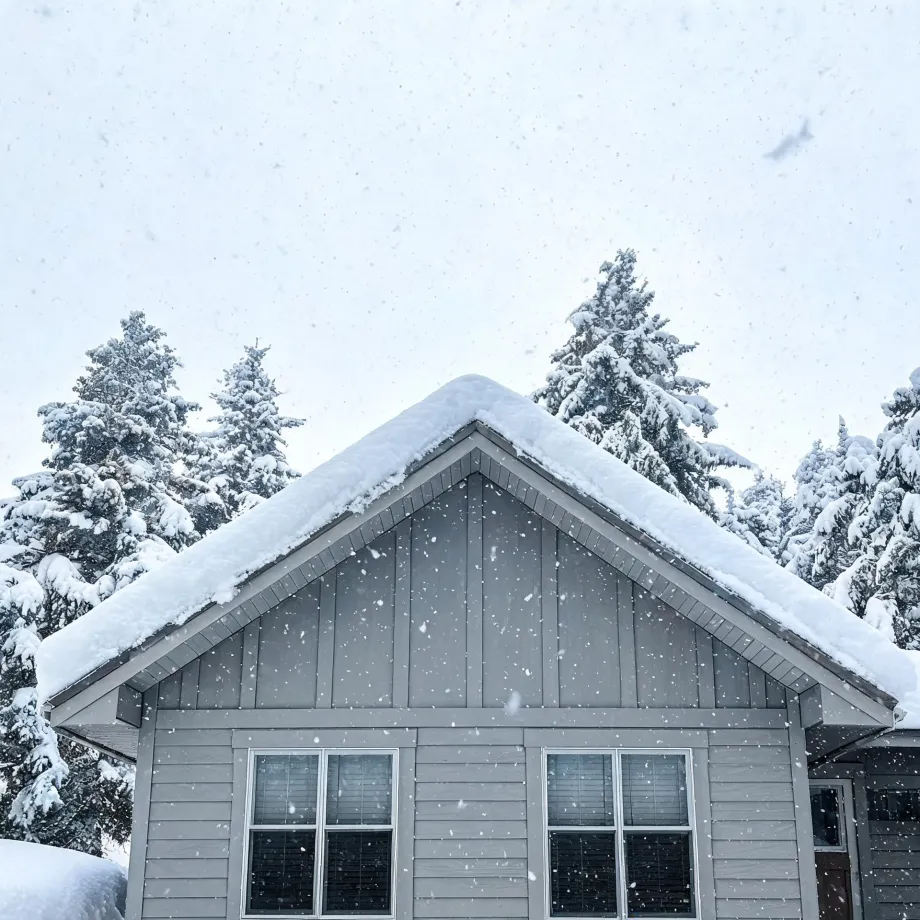
Sizing a furnace for this house means accounting for what the burner and heat exchanger are actually asked to carry here. Homes in Minidoka County, ID run heat about nine months a year, from September through May. A system that is undersized cycles harder and more often to hold temperature, and the ignition system and heat exchanger accumulate wear in proportion to that cycling. A contractor quoting a replacement has to run a load calculation against the actual envelope of the house, because a box swapped in at the same nominal capacity as the old one carries the same mismatch forward.
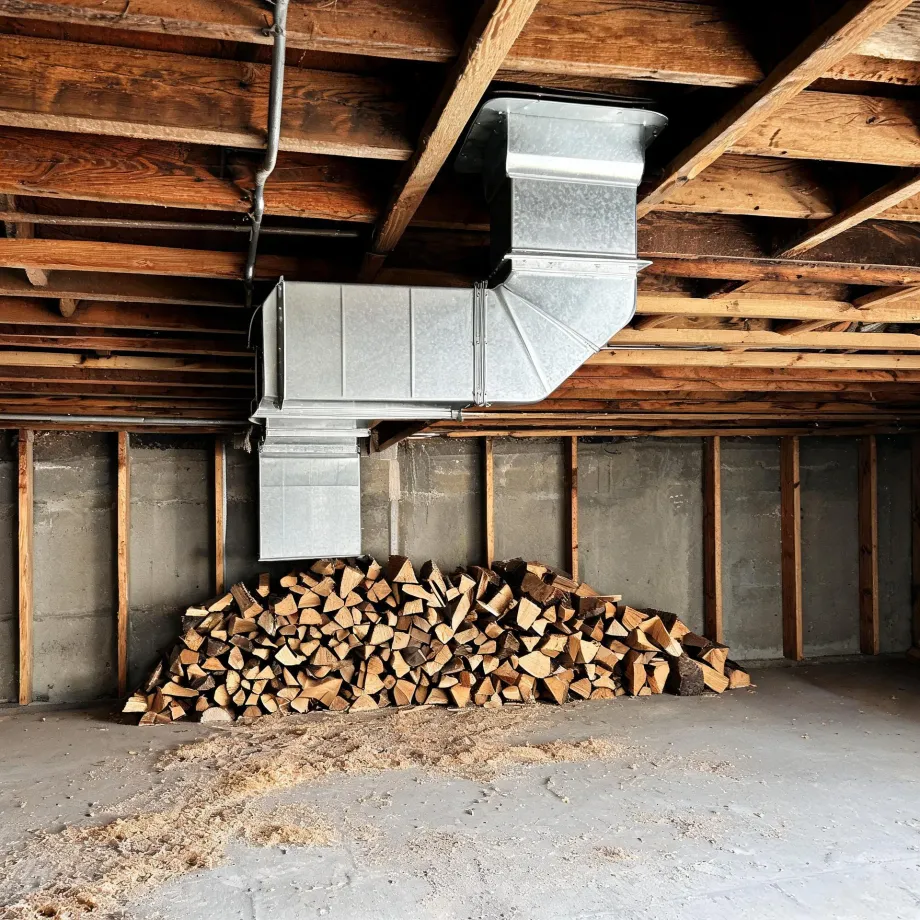
Ductwork sized for the furnace that was in the house before this one is the first thing a contractor has to assess on a Minidoka County installation job. Half the homes in Minidoka County, Idaho were built in 1976 or earlier (2020-2024 ACS 5-year). That means a large share of the duct systems here were designed around equipment generations removed from what a contractor brings to the job today. If the existing runs cannot move the airflow a new furnace requires, the installation scope changes. Electrical service gets checked for the same reason: what the panel carried when the house was built and what a modern unit draws are not always the same number.
What Gets Installed With a New Furnace
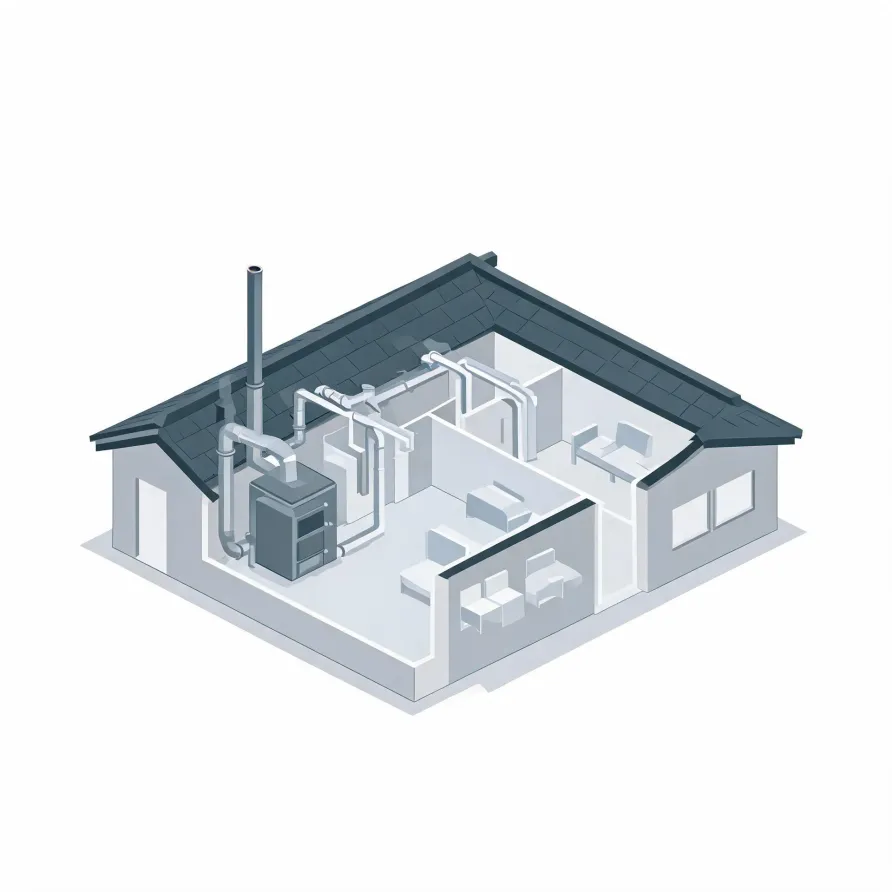
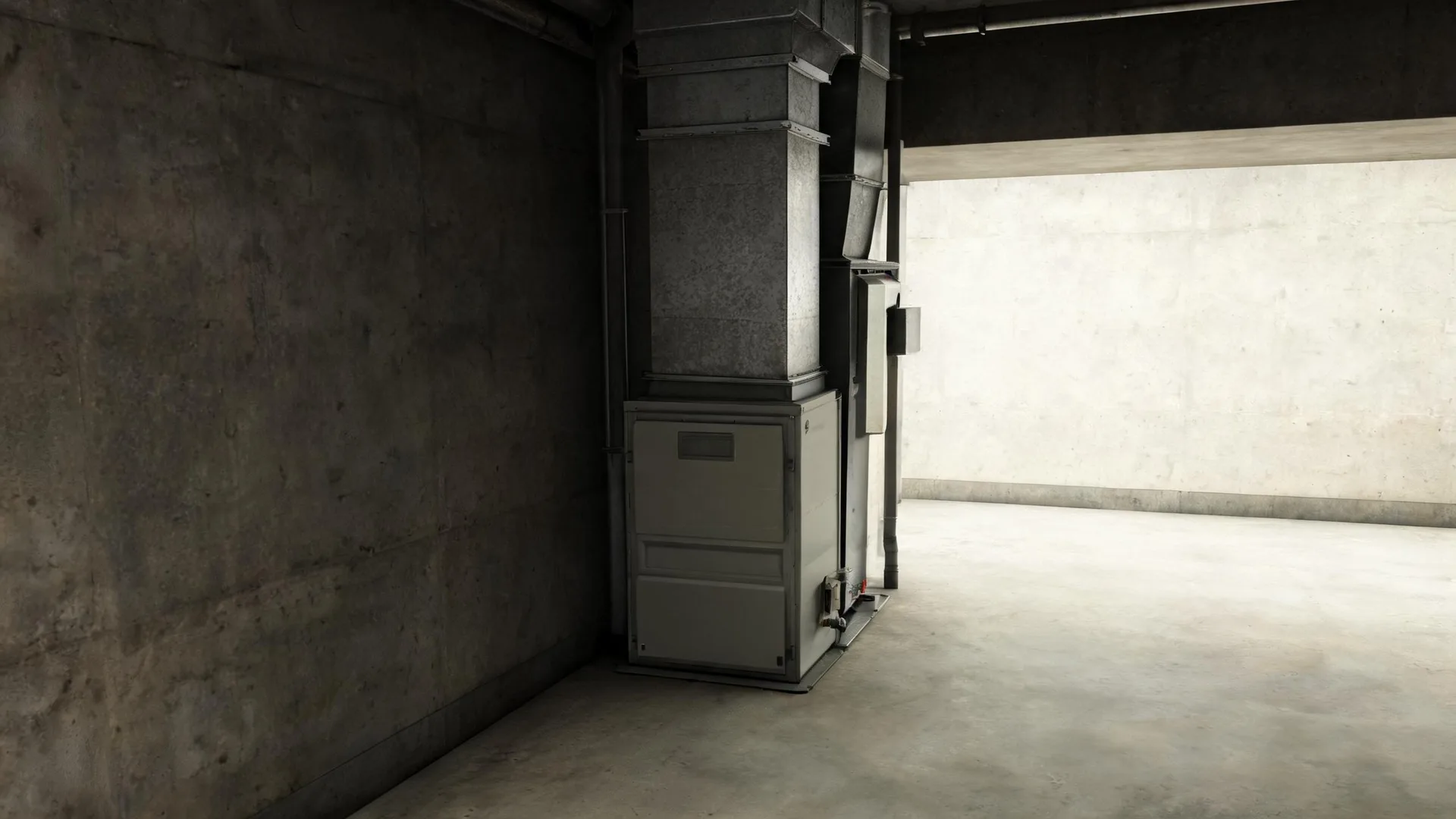
The furnace itself sits in a utility room, basement, or crawl space and is the unit a homeowner would recognize first. It houses the heat exchanger and the blower, which together pull air through the system and push warmed air out toward the living spaces. That cabinet is the core of what a contractor sets in place.
The flue pipe runs from the furnace up and out of the house, carrying combustion gases away from the living area. Alongside that, the thermostat mounts on an interior wall and serves as the control point that tells the furnace when to fire and when to stop.
The drawing shows a general layout of these components, and a licensed contractor determines exactly what the installation involves in your specific home.
Find a contractor in Minidoka CountyMinidoka County, by the numbers
77 severe weather events were recorded in Minidoka County, Idaho between 2015 and 2024.
NOAA National Centers for Environmental Information, Storm Events Database, bulk CSV export, events 2015-01-01 through 2024-12-31.Half the homes in Minidoka County, Idaho were built in 1976 or earlier (2020-2024 ACS 5-year).
U.S. Census Bureau, 2020-2024 American Community Survey 5-Year EstimatesMinidoka County, Idaho holds 8,644 housing units (2020-2024 ACS 5-year).
U.S. Census Bureau, 2020-2024 American Community Survey 5-Year EstimatesOwners occupy 69.2% of the occupied homes in Minidoka County, Idaho (2020-2024 ACS 5-year).
U.S. Census Bureau, 2020-2024 American Community Survey 5-Year EstimatesFurnace Installation Rules for Minidoka County, Idaho5 codes & standards
What the Installation Actually Looks Like
Non-weatherized gas furnaces manufactured on or after November 19, 2015 must reach 80.0 percent AFUE.
Non-weatherized oil-fired furnaces manufactured on or after November 19, 2015 must reach 83.0 percent AFUE.
Mobile home gas furnaces manufactured on or after November 19, 2015 must reach 80.0 percent AFUE.
Non-weatherized gas furnaces manufactured on or after December 18, 2028 must reach 95.0 percent AFUE, up from the 80.0 percent minimum that applies to units manufactured before that date.
Licensing Rules for HVAC Work in Minidoka County, Idaho
Idaho requires a state certificate of competency for heating, ventilation and air conditioning work: it is unlawful to engage in the business, trade or practice without passing the examination and holding the certificate.
Severe Weather Events in Minidoka County
Weather puts a direct load on heating equipment: the harder a winter presses, the harder a furnace works to hold temperature. How often Minidoka County sees severe conditions shapes what a furnace installed here needs to handle.
77 severe weather events, 2015–2024. Source: NOAA National Centers for Environmental Information, Storm Events Database.