Tell us about the job
Takes about a minute. No obligation.
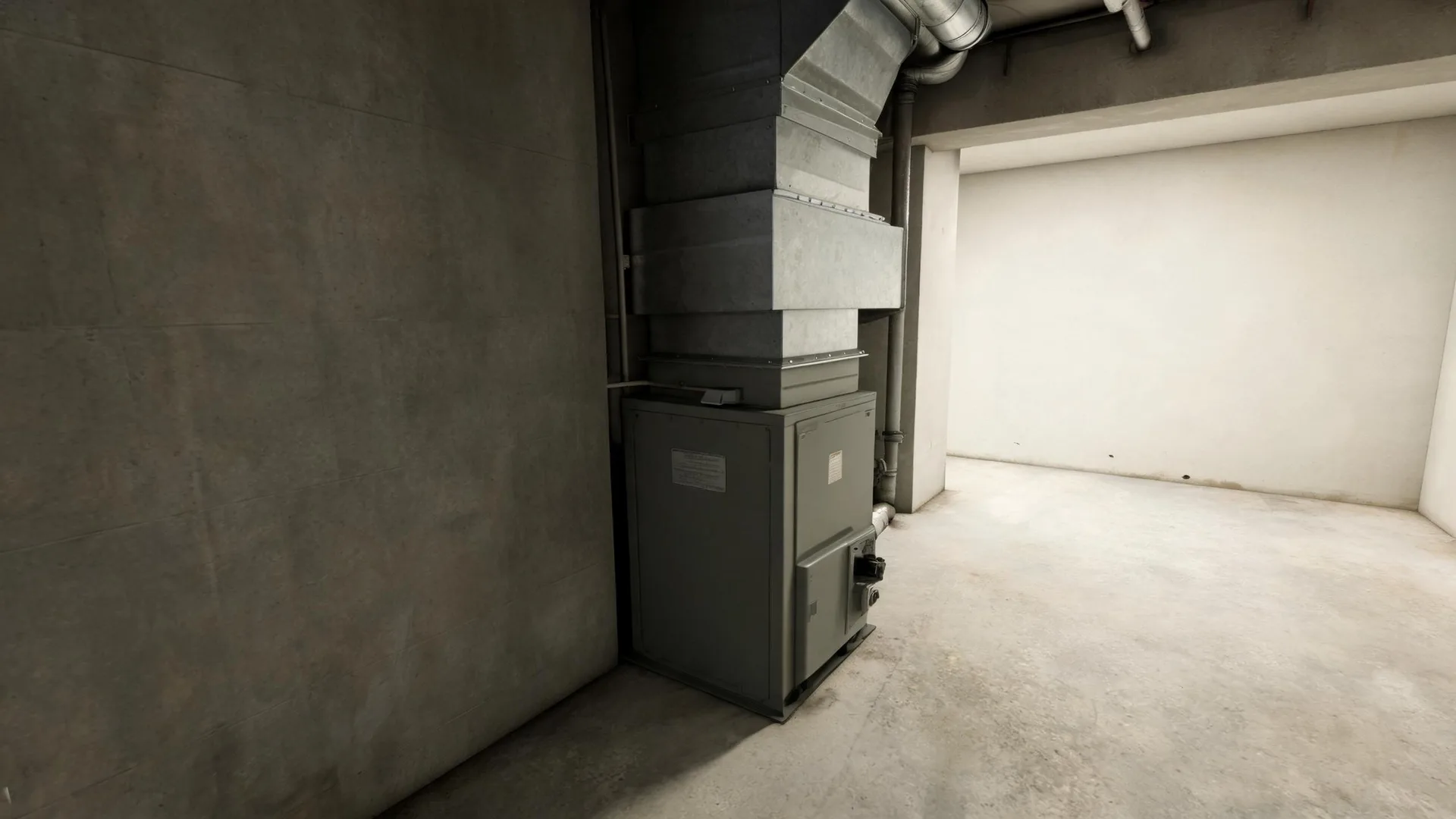
The burner assembly and ignition system on a furnace cycle hard every fall, winter, and well into spring before they get any rest. Homes in Kootenai County, ID run heat about ten months a year, from September through June. A contractor arriving on a repair call here checks those parts first, because the cumulative load on the heat exchanger and igniter outpaces what the same equipment carries in a shorter season. Cracks in the heat exchanger, igniter degradation, and flame sensor fouling are the findings that show up soonest when a system has had little time off.
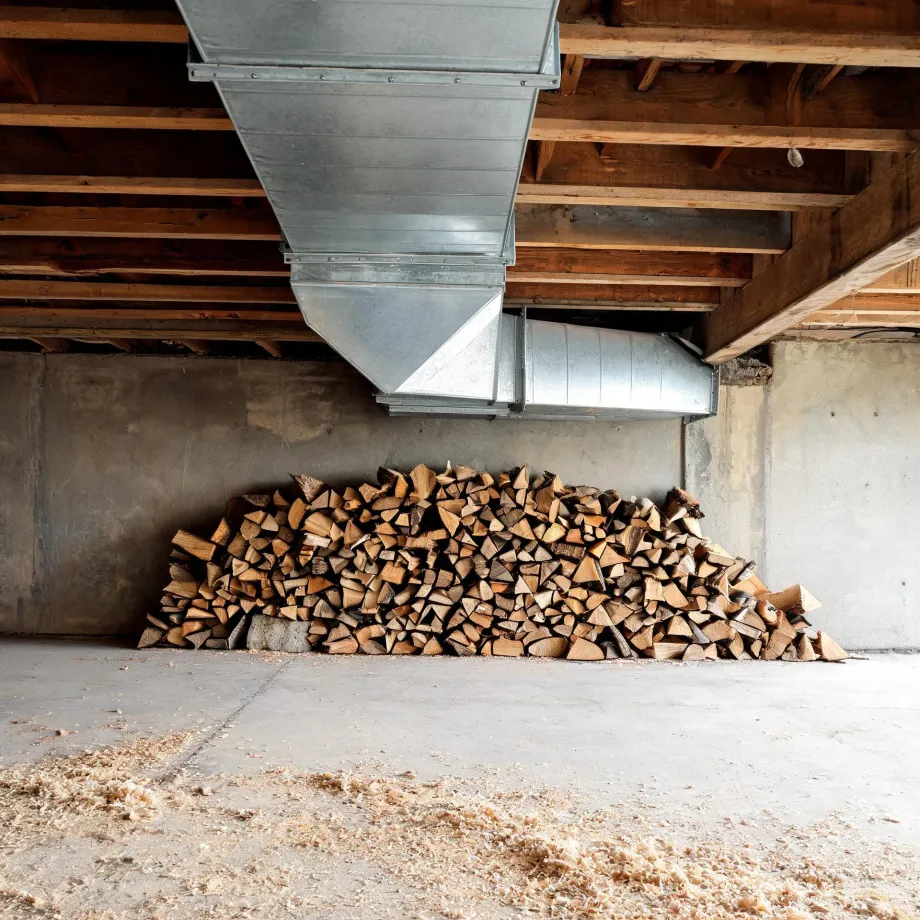
Furnaces in a good share of Kootenai County homes have been running long enough that what a technician finds once the cabinet is open rarely matches what the call description suggested. Half the homes in Kootenai County, Idaho were built in 1996 or earlier (2020-2024 ACS 5-year). Stock that old was built around equipment that has since been swapped out at least once, which means heat exchangers, blower assemblies, and flue connections have absorbed cycles that exceed what replacement parts are rated against. When a part fails, the first question is whether the manufacturer still makes what that system takes, and the answer shapes the repair scope before any labor estimate can be written.
The Parts of a Furnace a Contractor Checks First
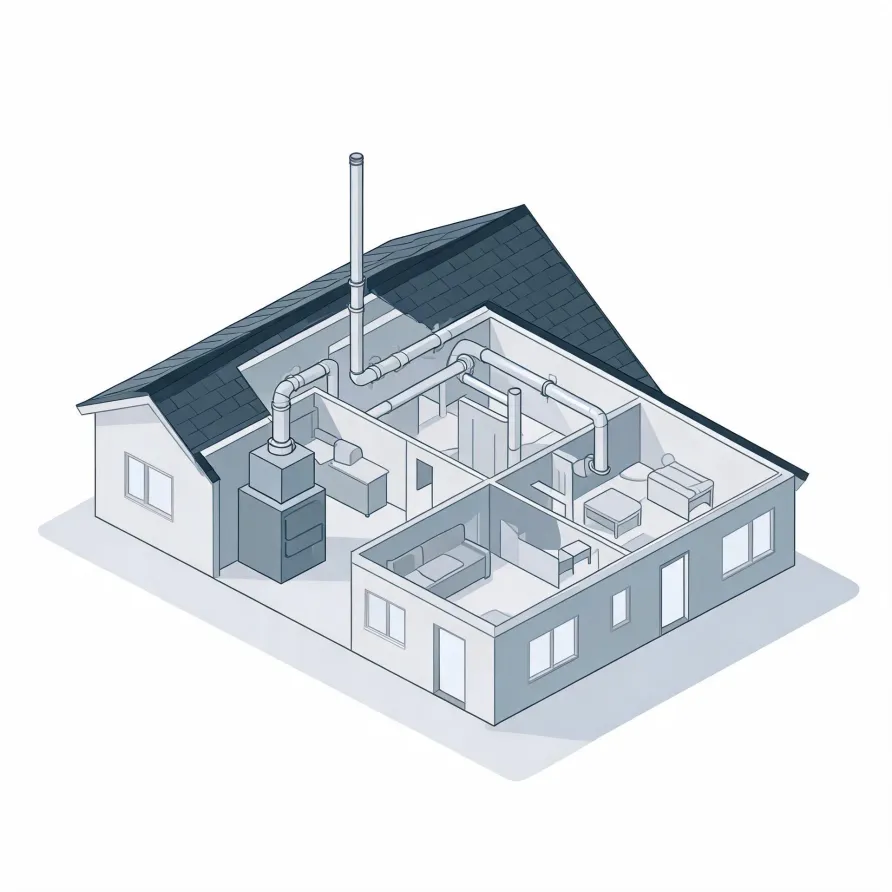
The furnace itself sits in a utility space, basement, or closet and is the unit that generates heat. Inside it, the heat exchanger is the piece a contractor looks at closely during a repair visit, because cracks or failures there are what stop heat from reaching the air moving through your home. The burners, which fire inside that exchanger, are another early stop.
The blower motor sits within the furnace cabinet and pushes conditioned air into your supply system. Alongside it, the igniter and flame sensor work as a pair: the igniter starts combustion, and the sensor confirms it happened. The control board ties these components together, and when any signal breaks down, a contractor traces it back through each of these points.
The drawing shows a representative layout, and a licensed contractor determines which components and conditions apply to your specific home.
Find a contractor in Kootenai CountyKootenai County, by the numbers
730 severe weather events were recorded in Kootenai County, Idaho between 2015 and 2024.
NOAA National Centers for Environmental Information, Storm Events Database, bulk CSV export, events 2015-01-01 through 2024-12-31.Half the homes in Kootenai County, Idaho were built in 1996 or earlier (2020-2024 ACS 5-year).
U.S. Census Bureau, 2020-2024 American Community Survey 5-Year EstimatesKootenai County, Idaho holds 80,260 housing units (2020-2024 ACS 5-year).
U.S. Census Bureau, 2020-2024 American Community Survey 5-Year EstimatesOwners occupy 71.3% of the occupied homes in Kootenai County, Idaho (2020-2024 ACS 5-year).
U.S. Census Bureau, 2020-2024 American Community Survey 5-Year EstimatesFurnace Repair Rules & Codes for Kootenai County, Idaho5 sourced standards and regulations
What HVAC Repair Looks Like in Kootenai County
Non-weatherized gas furnaces manufactured on or after November 19, 2015 must reach 80.0 percent AFUE.
Non-weatherized oil-fired furnaces manufactured on or after November 19, 2015 must reach 83.0 percent AFUE.
Mobile home gas furnaces manufactured on or after November 19, 2015 must reach 80.0 percent AFUE.
Non-weatherized gas furnaces manufactured on or after December 18, 2028 must reach 95.0 percent AFUE, up from the 80.0 percent minimum that applies to units manufactured before that date.
What Kootenai County and Idaho Require for HVAC Repair
Idaho requires a state certificate of competency for heating, ventilation and air conditioning work: it is unlawful to engage in the business, trade or practice without passing the examination and holding the certificate.
Severe Weather Events in Kootenai County
Extreme weather puts real stress on furnace systems, pushing them harder and shortening the window before something needs attention. How often that pressure arrives shapes what repair work looks like in Kootenai County.
730 severe weather events, 2015–2024. Source: NOAA National Centers for Environmental Information, Storm Events Database.