Tell us about the job
Takes about a minute. No obligation.
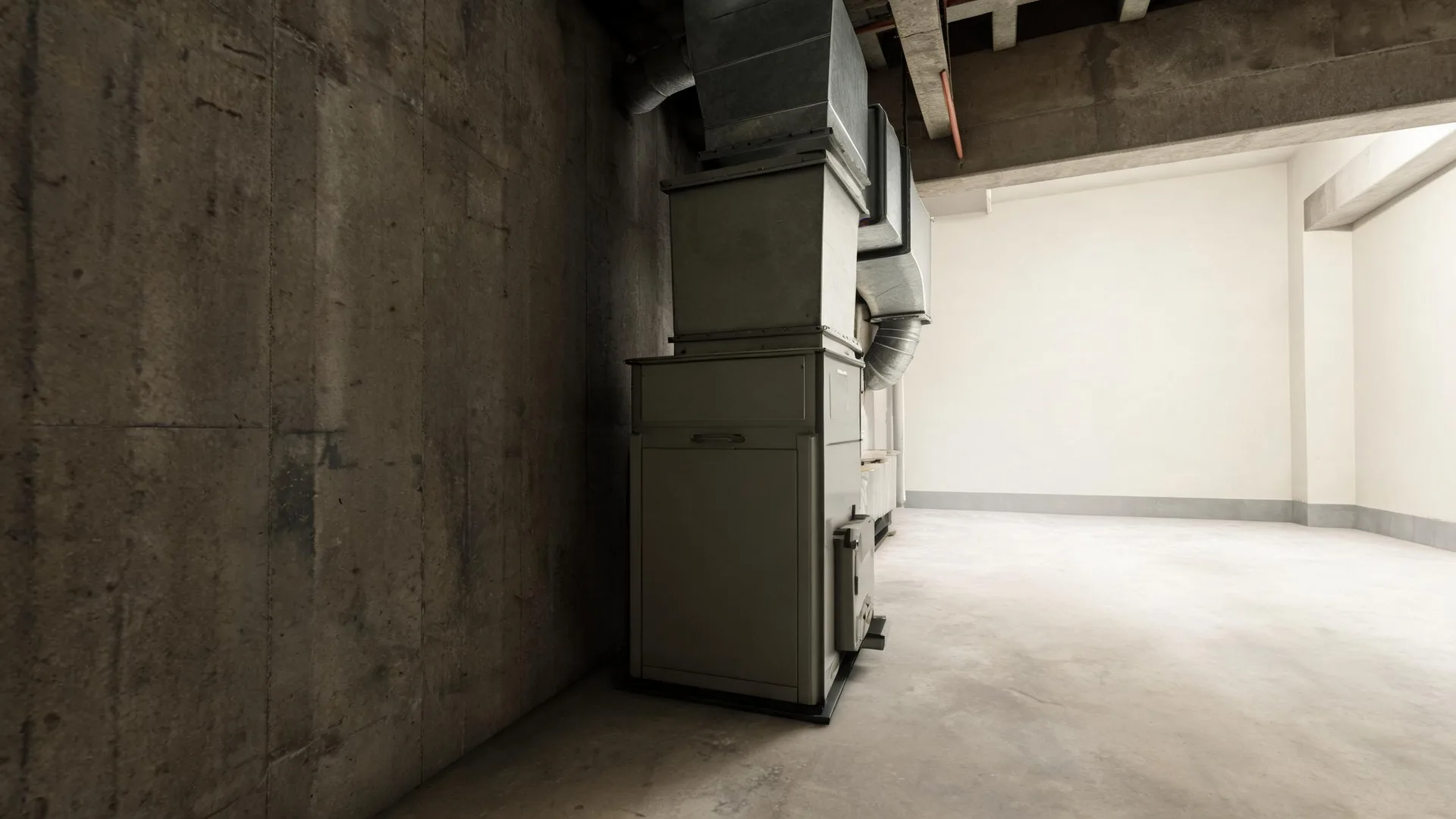
A furnace repair in Bonner County starts with the parts that cycle the most. Homes in Bonner County, ID run heat about ten months a year, from September through June. The burner and ignition system take the brunt of that load, firing and shutting off through every cold stretch from early fall to late spring. When a furnace comes in for repair, a contractor checks those components first, because accumulated cycling wear shows up there before it reaches the heat exchanger or the control board. Skipping that order means quoting repairs on the wrong part.
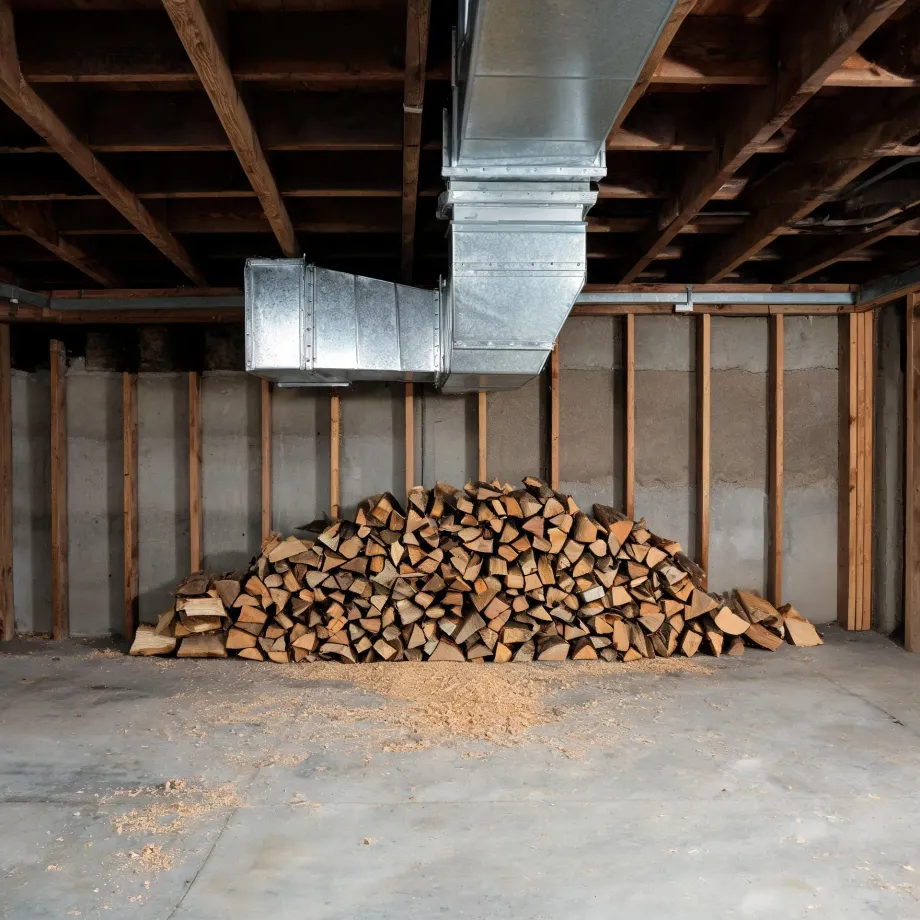
Ductwork in older housing rarely fails all at once. Seams loosen, liner material breaks down, and the path from the furnace to the registers develops leaks that make a repair harder to diagnose cleanly because the symptoms spread. Half the homes in Bonner County, Idaho were built in 1990 or earlier (2020-2024 ACS 5-year). A contractor opening a furnace in a house like this will check what the duct system is doing before concluding the unit itself is the problem, because a failing seal two rooms away can look a lot like a furnace fault until the ducts are pressure-checked.
The Parts of a Furnace a Contractor Checks First
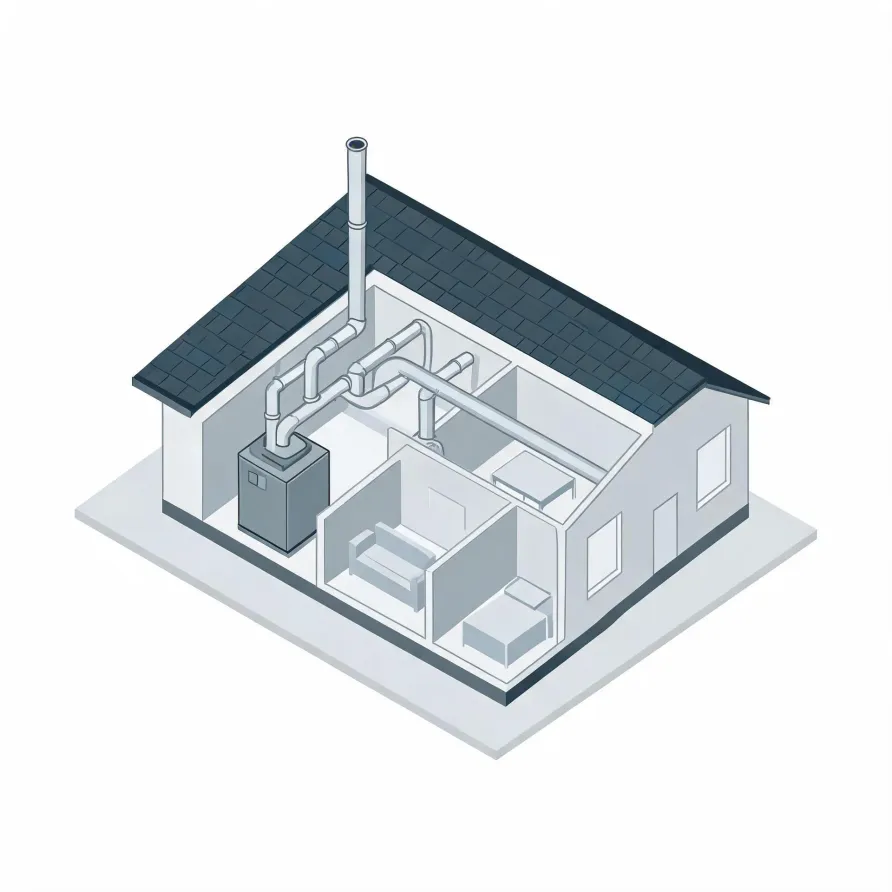
The furnace itself sits in a utility space, basement, or closet and is the piece a contractor goes to first. Inside it, the heat exchanger is the part most worth understanding: it separates combustion gases from the air your family breathes, and a crack there is a serious find. The burners, the igniter, and the flame sensor all live inside that same cabinet, and any one of them can stop a furnace cold.
The blower motor sits at the base of the furnace cabinet and pushes conditioned air out through the supply side of your duct system. The flue pipe runs from the cabinet up and out of the house, carrying exhaust away, and a blockage or breach there affects both safety and function. The thermostat on the wall is the last piece a contractor checks, since a wiring fault or a failed sensor there can mimic a much larger problem.
The drawing shows a general layout, and a licensed contractor determines which parts apply and what condition they are in for this particular house.
Find a contractor in Bonner CountyBonner County by the numbers
392 severe weather events were recorded in Bonner County, Idaho between 2015 and 2024.
NOAA National Centers for Environmental Information, Storm Events Database, bulk CSV export, events 2015-01-01 through 2024-12-31.Half the homes in Bonner County, Idaho were built in 1990 or earlier (2020-2024 ACS 5-year).
U.S. Census Bureau, 2020-2024 American Community Survey 5-Year EstimatesBonner County, Idaho holds 26,867 housing units (2020-2024 ACS 5-year).
U.S. Census Bureau, 2020-2024 American Community Survey 5-Year EstimatesOwners occupy 78.3% of the occupied homes in Bonner County, Idaho (2020-2024 ACS 5-year).
U.S. Census Bureau, 2020-2024 American Community Survey 5-Year EstimatesFurnace Repair Rules on the Books for Bonner County, Idaho5 codes & standards
What happens after you request a repair
Non-weatherized gas furnaces manufactured on or after November 19, 2015 must reach 80.0 percent AFUE.
Non-weatherized oil-fired furnaces manufactured on or after November 19, 2015 must reach 83.0 percent AFUE.
Mobile home gas furnaces manufactured on or after November 19, 2015 must reach 80.0 percent AFUE.
Non-weatherized gas furnaces manufactured on or after December 18, 2028 must reach 95.0 percent AFUE, up from the 80.0 percent minimum that applies to units manufactured before that date.
Licensing and Legal Requirements in Bonner County, Idaho
Idaho requires a state certificate of competency for heating, ventilation and air conditioning work: it is unlawful to engage in the business, trade or practice without passing the examination and holding the certificate.
Weather Stress on HVAC Equipment in Bonner County
Heating equipment works harder when outdoor conditions swing hard, and furnaces in Bonner County carry that load year after year. What the weather asks of a system shapes how often it needs repair and what fails first.
392 severe weather events, 2015–2024. Source: NOAA National Centers for Environmental Information, Storm Events Database.