Tell us about the job
Takes about a minute. No obligation.
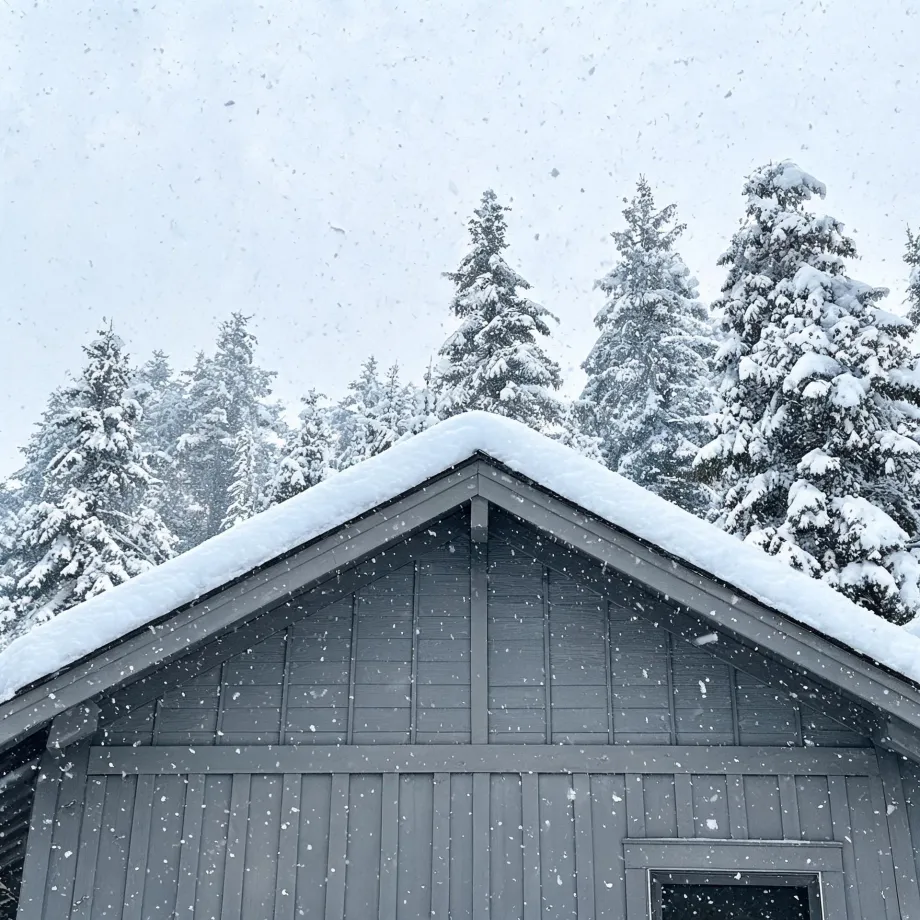
The burner, the ignition system, and the heat exchanger in a furnace here accumulate wear steadily across a long season, and by the time a homeowner notices a problem, those parts have already logged considerable work. Homes in Adams County, ID run heat about ten months a year, from September through June. A contractor diagnosing a furnace in Adams County checks the heat exchanger for cracks and the ignition components for erosion before moving to anything else, because those are the parts a season like this one loads hardest. Flame sensors corrode, igniters weaken, and heat exchangers develop fatigue that a visual inspection from the outside will not catch.
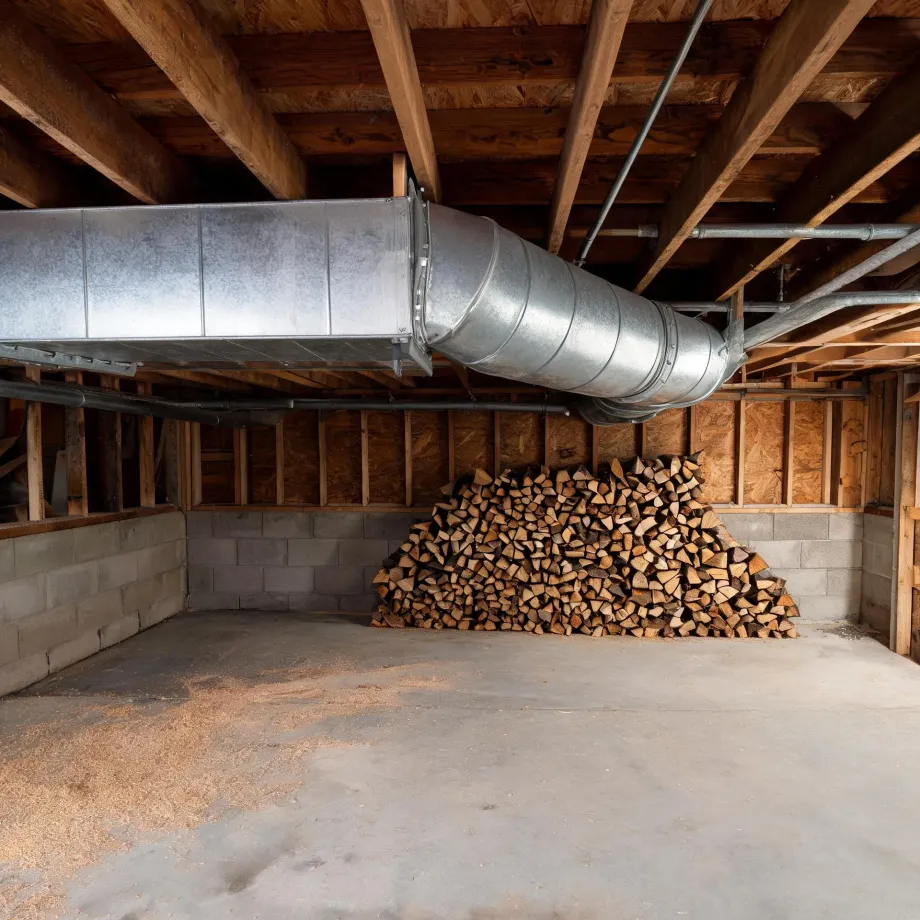
Furnace parts for systems installed in houses this old are not always on a shelf somewhere. Half the homes in Adams County, Idaho were built in 1986 or earlier (2020-2024 ACS 5-year). A contractor opening a furnace in Adams County may find a heat exchanger or a control board tied to a product line that was discontinued before the current owner ever touched the thermostat. That gap between what the house was originally fitted with and what manufacturers still stock is where repair jobs in this county get complicated. The unit itself might be repairable; the part it takes might require sourcing time that changes the scope of the job.
The Parts of a Furnace a Contractor Checks First
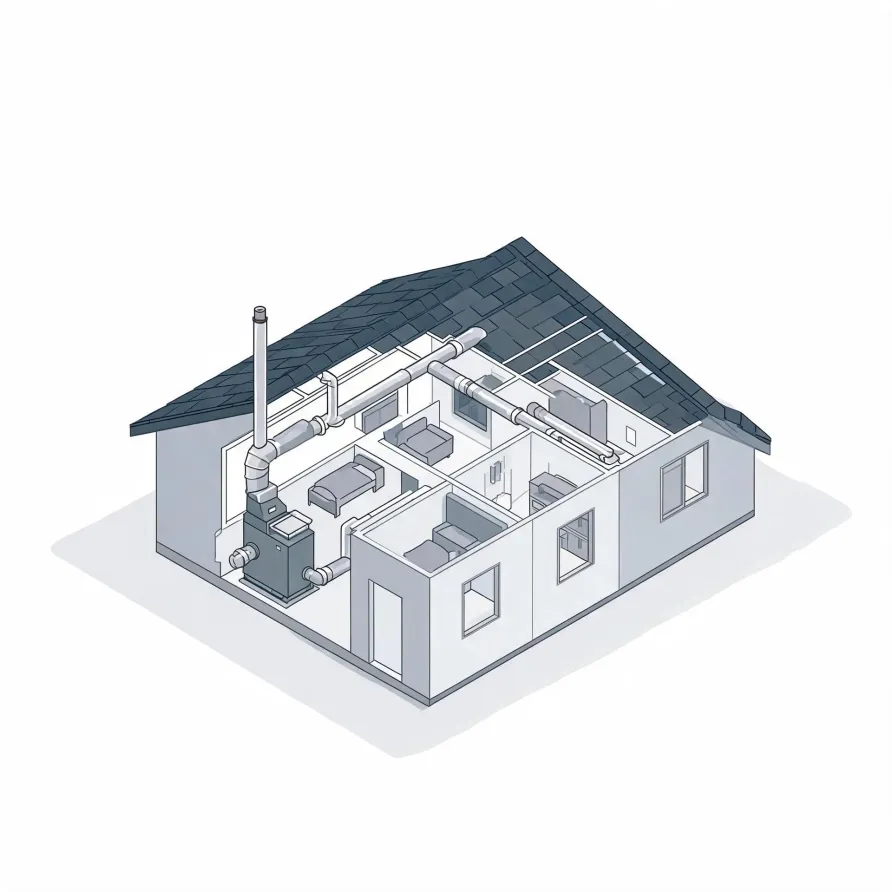
The furnace itself sits in a utility room, basement, or closet and is the piece a contractor opens first. Inside it, the heat exchanger is the part most likely behind a no-heat call: it carries combustion gases away from the living space while warming the air around it, and a crack there is serious. The burners, which fire inside the heat exchanger, are checked for ignition problems and uneven flame.
The blower motor sits at the base of the furnace cabinet and pushes conditioned air out through the supply side of your duct system. Alongside it, the control board and the inducer motor are both common failure points: the control board reads every sensor and sequences every stage of a heating cycle, and the inducer motor pulls exhaust gases out before ignition begins. The flue pipe runs from the cabinet to an exterior vent and is examined for blockages or separation.
The drawing shows the general layout of a furnace system, and a licensed contractor determines which components apply to the specific equipment and configuration in your home.
Find a contractor in Adams CountyAdams County, by the numbers
60 severe weather events were recorded in Adams County, Idaho between 2015 and 2024.
NOAA National Centers for Environmental Information, Storm Events Database, bulk CSV export, events 2015-01-01 through 2024-12-31.Half the homes in Adams County, Idaho were built in 1986 or earlier (2020-2024 ACS 5-year).
U.S. Census Bureau, 2020-2024 American Community Survey 5-Year EstimatesAdams County, Idaho holds 2,674 housing units (2020-2024 ACS 5-year).
U.S. Census Bureau, 2020-2024 American Community Survey 5-Year EstimatesOwners occupy 84.7% of the occupied homes in Adams County, Idaho (2020-2024 ACS 5-year).
U.S. Census Bureau, 2020-2024 American Community Survey 5-Year EstimatesCodes & Standards Governing Furnace Repair in Adams County, Idaho5 sourced rules and standards
What the Repair Visit Looks Like
Non-weatherized gas furnaces manufactured on or after November 19, 2015 must reach 80.0 percent AFUE.
Non-weatherized oil-fired furnaces manufactured on or after November 19, 2015 must reach 83.0 percent AFUE.
Mobile home gas furnaces manufactured on or after November 19, 2015 must reach 80.0 percent AFUE.
Non-weatherized gas furnaces manufactured on or after December 18, 2028 must reach 95.0 percent AFUE, up from the 80.0 percent minimum that applies to units manufactured before that date.
Licensing Rules for HVAC Repair in Adams County, Idaho
Idaho requires a state certificate of competency for heating, ventilation and air conditioning work: it is unlawful to engage in the business, trade or practice without passing the examination and holding the certificate.
Severe Weather Events in Adams County
Harsh weather puts real hours on a furnace. What the climate does in Adams County shapes how hard the equipment works and how often it needs attention.
60 severe weather events, 2015–2024. Source: NOAA National Centers for Environmental Information, Storm Events Database.