Tell us about the job
Takes about a minute. No obligation.
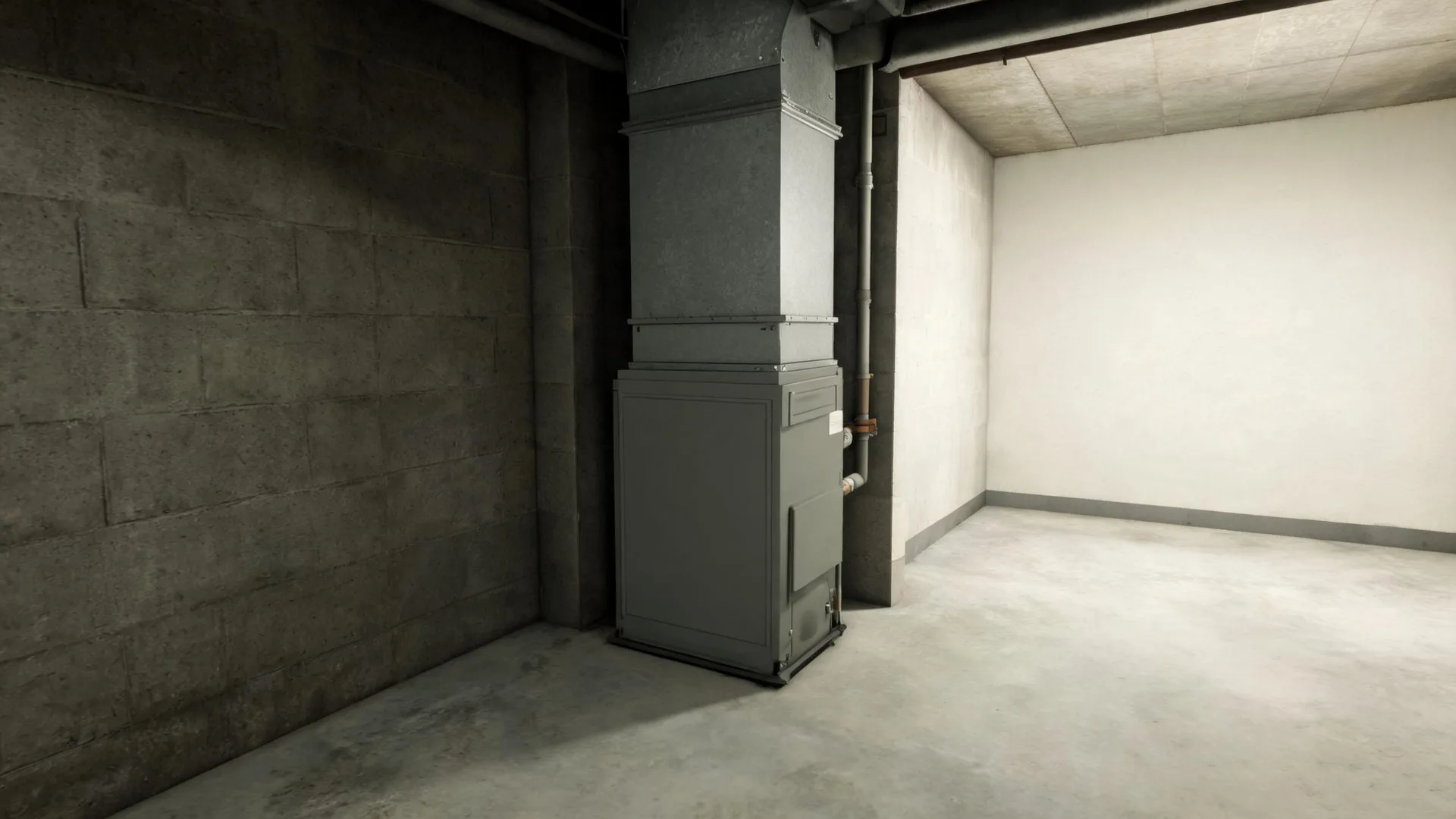
A contractor quoting furnace installation in Clark County has to size the unit for what the burner and heat exchanger will actually carry across the full year, not just for the coldest week. Homes in Clark County, ID run heat about ten months a year, from September through June. The ignition system cycles every time the furnace fires, and across a season that long, cumulative wear on those components separates a properly sized unit from one that was close enough. Undersizing shows up in the heat exchanger first, where repeated thermal stress from a unit running near its limit shortens the component's serviceable life. The contractor's load calculation, done before any equipment is chosen, is what keeps that from happening.
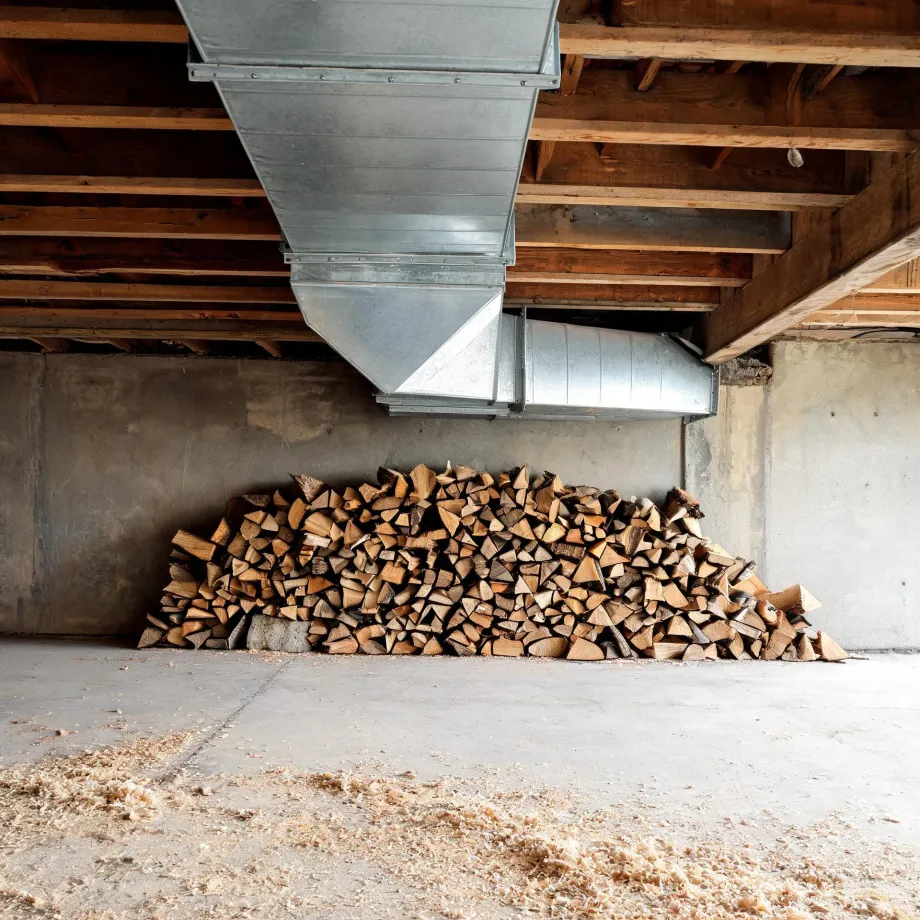
Existing ductwork is what determines how a furnace installation actually goes here. Half the homes in Clark County, Idaho were built in 1979 or earlier (2020-2024 ACS 5-year). Ducts laid in for an earlier generation of heating equipment carry dimensions and configurations that a modern furnace may not match, and a contractor has to assess that before the new unit is ever positioned. If the ductwork cannot move the volume a new system pushes, the install price grows to cover the modification work. The electrical panel gets the same look for the same reason.
What Gets Installed With a New Furnace
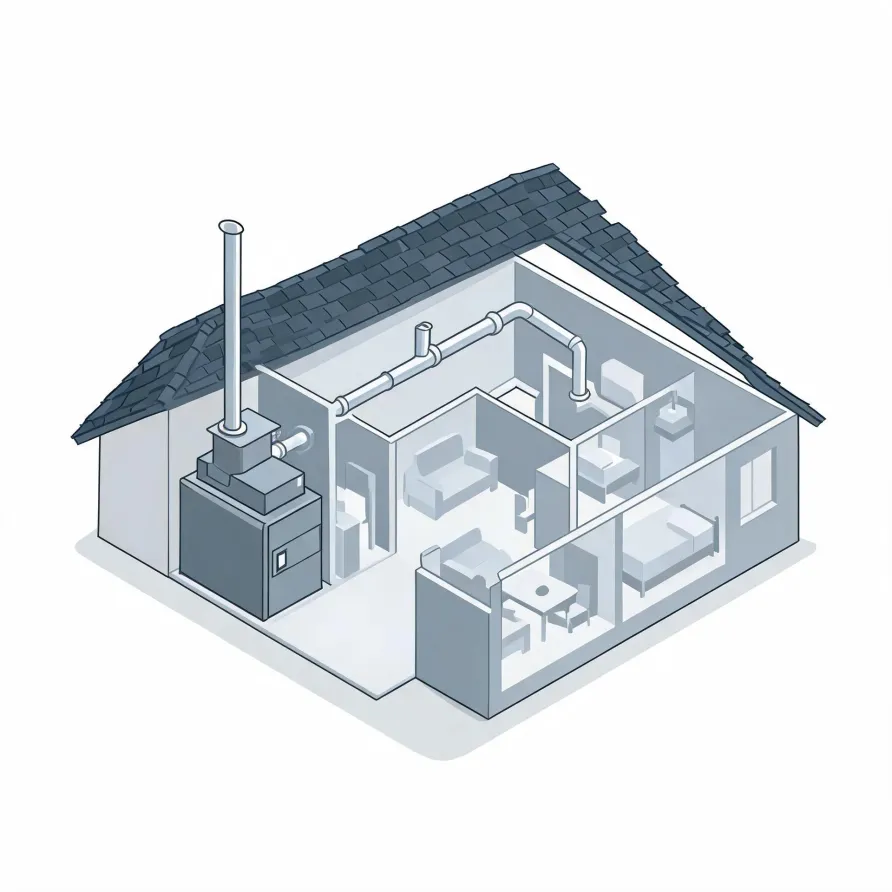
The furnace itself sits in a utility room, basement, or closet and is the unit that produces heat. A contractor mounts the heat exchanger inside the cabinet, where combustion gases pass on one side and household air passes on the other, warming the air before it moves anywhere. The blower motor is housed in the same cabinet and pushes that warmed air out.
The flue pipe runs from the furnace cabinet up through the roof or out through a wall, carrying combustion exhaust out of the house. Alongside it, a contractor connects the gas line to the burner assembly and fits the filter housing at the air intake, which is where return air enters the cabinet before it reaches the heat exchanger.
The drawing shows a typical layout, and a licensed contractor determines exactly what applies to your house.
Find a contractor in Clark CountyClark County, Idaho, by the numbers
104 severe weather events were recorded in Clark County, Idaho between 2015 and 2024.
NOAA National Centers for Environmental Information, Storm Events Database, bulk CSV export, events 2015-01-01 through 2024-12-31.Half the homes in Clark County, Idaho were built in 1979 or earlier (2020-2024 ACS 5-year).
U.S. Census Bureau, 2020-2024 American Community Survey 5-Year EstimatesClark County, Idaho holds 456 housing units (2020-2024 ACS 5-year).
U.S. Census Bureau, 2020-2024 American Community Survey 5-Year EstimatesOwners occupy 61.3% of the occupied homes in Clark County, Idaho (2020-2024 ACS 5-year).
U.S. Census Bureau, 2020-2024 American Community Survey 5-Year EstimatesFurnace Installation Rules for Clark County, Idaho5 codes & standards
What the installation looks like
Non-weatherized gas furnaces manufactured on or after November 19, 2015 must reach 80.0 percent AFUE.
Non-weatherized oil-fired furnaces manufactured on or after November 19, 2015 must reach 83.0 percent AFUE.
Mobile home gas furnaces manufactured on or after November 19, 2015 must reach 80.0 percent AFUE.
Non-weatherized gas furnaces manufactured on or after December 18, 2028 must reach 95.0 percent AFUE, up from the 80.0 percent minimum that applies to units manufactured before that date.
Licensing Rules for HVAC Work in Clark County, Idaho
Idaho requires a state certificate of competency for heating, ventilation and air conditioning work: it is unlawful to engage in the business, trade or practice without passing the examination and holding the certificate.
Severe Weather Events in Clark County
Heating equipment in Clark County works against whatever the climate puts on it, and how hard that is varies by where you are. A furnace sized and installed for local conditions lasts longer and runs more efficiently than one that was not.
104 severe weather events, 2018–2024. Source: NOAA National Centers for Environmental Information, Storm Events Database.