Tell us about the job
Takes about a minute. No obligation.
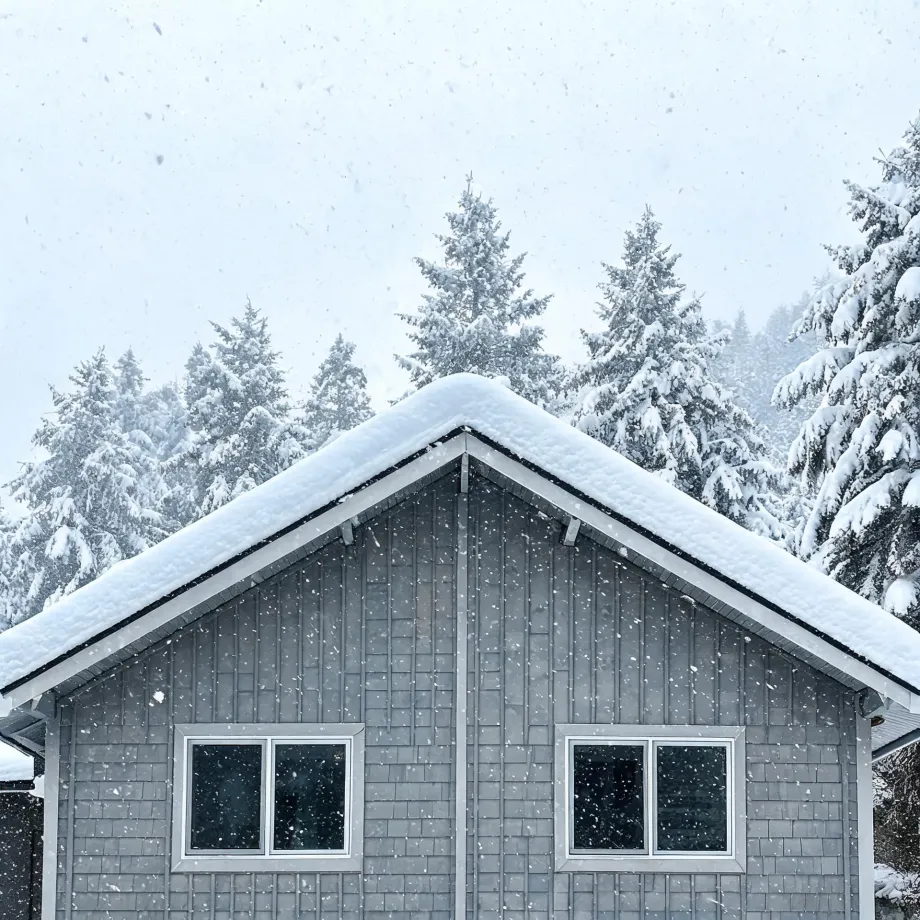
A furnace contractor in Clark County checks the ignition system and heat exchanger before anything else, because those are the parts that have been working the hardest. Homes in Clark County, ID run heat about ten months a year, from September through June. A burner that cycles through most of the calendar accumulates wear on its igniter, flame sensor, and heat exchanger at a rate that a shorter season would slow down. Cracks in a heat exchanger or a degraded igniter are not surprises here; they are the predictable result of sustained cycling. A contractor who skips straight to the blower or the controls without inspecting those components first will miss the most likely failure point.
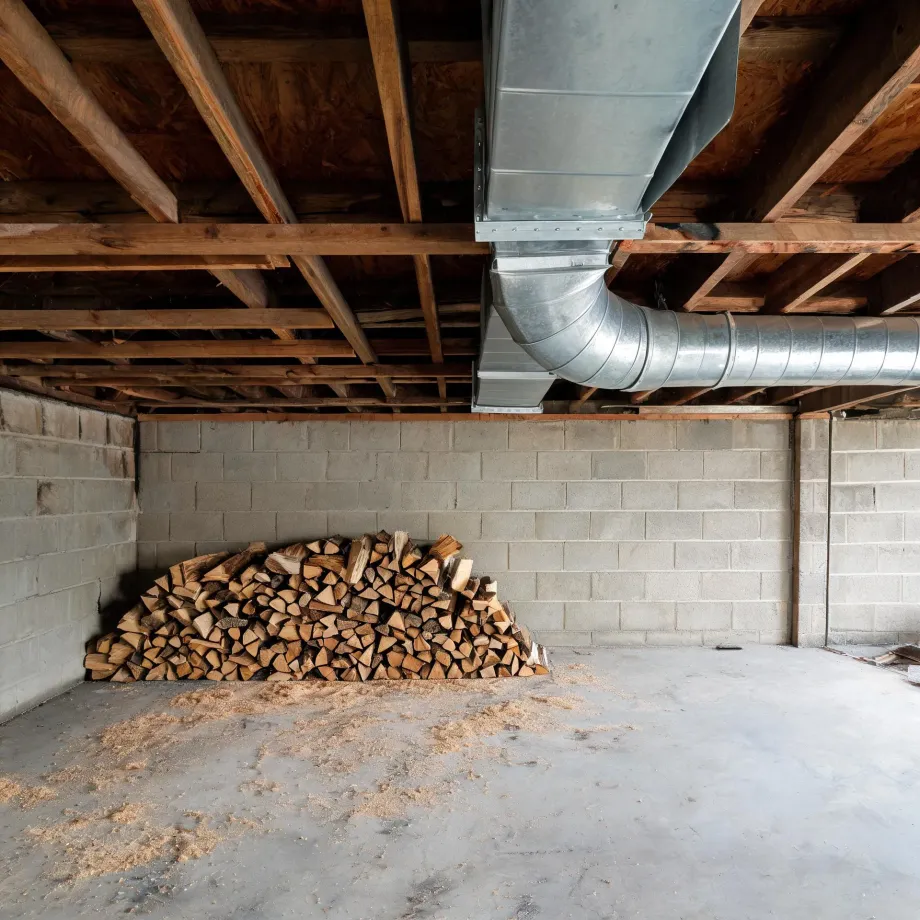
Ductwork in a house of this vintage carries the record of every system that ran through it: accumulated debris, joints that have separated and been re-taped, and heat exchangers that have cycled through more seasons than any single owner typically tracks. Half the homes in Clark County, Idaho were built in 1979 or earlier (2020-2024 ACS 5-year). When a contractor opens a furnace in this county, what determines the scope of the repair is often what surrounds the unit rather than the unit itself. Cracked heat exchangers and blocked flue passages are the findings that change the bill, and in stock this old, they show up more as rule than exception.
The Parts of a Furnace a Contractor Checks First
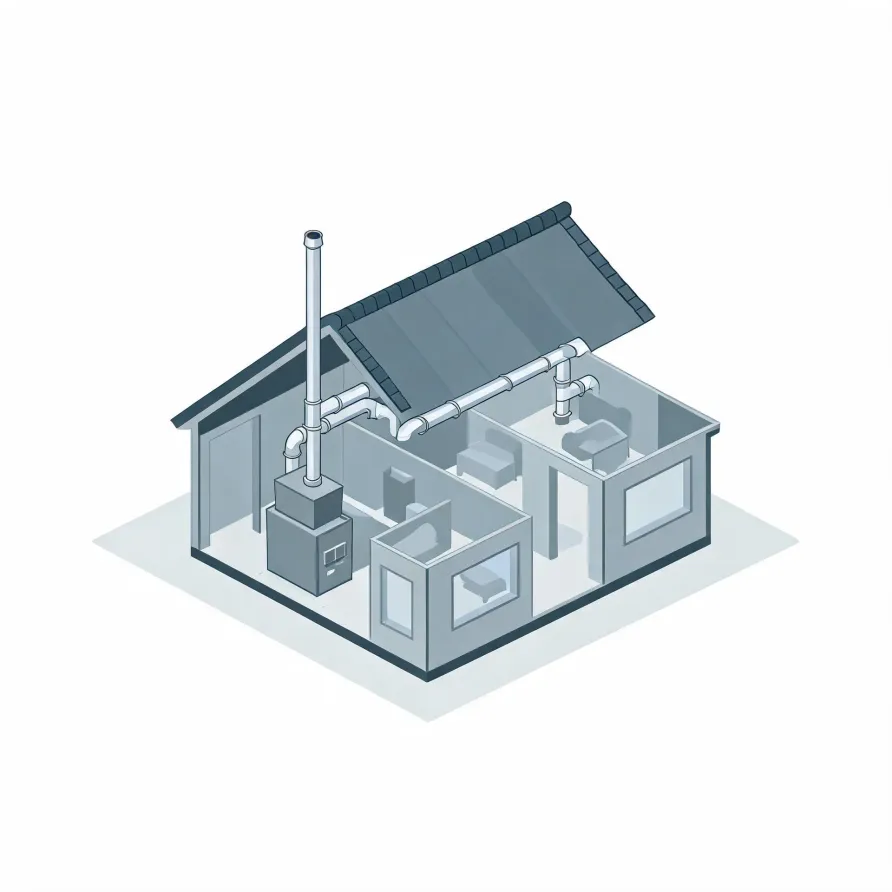
The furnace itself sits in a mechanical room, basement, or utility closet and is the piece a contractor goes to first. Inside it, the heat exchanger is the component that takes the most abuse and gets inspected closely for cracks or corrosion. The burners, which sit just below it, are checked next for blockage or uneven flame.
The blower motor sits at the base of the furnace cabinet and pushes conditioned air into the supply plenum above it. Alongside it, the ignitor and flame sensor are small parts that fail quietly and are common reasons a furnace runs short cycles or refuses to start. The flue pipe runs from the top of the cabinet to the exterior and gets checked for blockage or separation.
The drawing shows the general layout of a furnace system, and a licensed contractor determines which components apply to your particular home and situation.
Find a contractor in Clark CountyClark County, Idaho, by the numbers
104 severe weather events were recorded in Clark County, Idaho between 2015 and 2024.
NOAA National Centers for Environmental Information, Storm Events Database, bulk CSV export, events 2015-01-01 through 2024-12-31.Half the homes in Clark County, Idaho were built in 1979 or earlier (2020-2024 ACS 5-year).
U.S. Census Bureau, 2020-2024 American Community Survey 5-Year EstimatesClark County, Idaho holds 456 housing units (2020-2024 ACS 5-year).
U.S. Census Bureau, 2020-2024 American Community Survey 5-Year EstimatesOwners occupy 61.3% of the occupied homes in Clark County, Idaho (2020-2024 ACS 5-year).
U.S. Census Bureau, 2020-2024 American Community Survey 5-Year EstimatesCodes & Standards Behind Furnace Repair in Clark County, Idaho5 sourced rules and standards
What Happens When a Contractor Comes Out
Non-weatherized gas furnaces manufactured on or after November 19, 2015 must reach 80.0 percent AFUE.
Non-weatherized oil-fired furnaces manufactured on or after November 19, 2015 must reach 83.0 percent AFUE.
Mobile home gas furnaces manufactured on or after November 19, 2015 must reach 80.0 percent AFUE.
Non-weatherized gas furnaces manufactured on or after December 18, 2028 must reach 95.0 percent AFUE, up from the 80.0 percent minimum that applies to units manufactured before that date.
Licensing and Legal Requirements in Clark County, Idaho
Idaho requires a state certificate of competency for heating, ventilation and air conditioning work: it is unlawful to engage in the business, trade or practice without passing the examination and holding the certificate.
Severe Weather Events in Clark County
Harsh weather puts real hours on heating equipment. Furnaces that run hard through rough stretches wear faster and fail sooner, which is why local repair work in Clark County tracks closely with what the weather does year to year.
104 severe weather events, 2018–2024. Source: NOAA National Centers for Environmental Information, Storm Events Database.