Tell us about the job
Takes about a minute. No obligation.
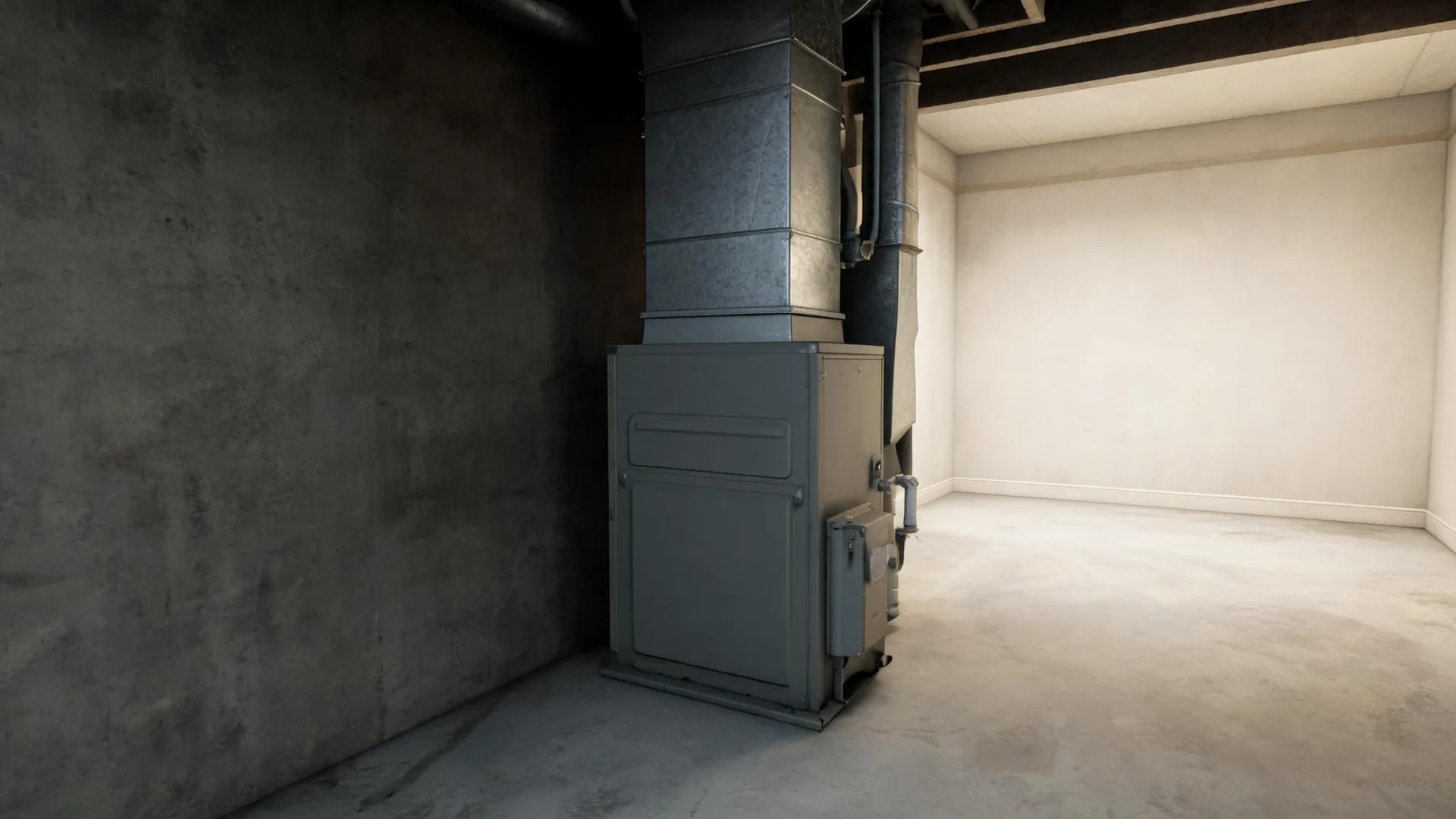
Sizing a furnace for Jefferson County starts with how long the burner runs, and that figure shapes every decision a contractor makes before they quote. Homes in Jefferson County, ID run heat about ten months a year, from September through June. The ignition system fires and the heat exchanger flexes with every cycle across those months, and a unit that is undersized for this load runs longer cycles, more often, stressing those components until they fail ahead of schedule. Proper load calculations are the contractor's first job, and the install quality that follows them is what determines how well the equipment holds up over years of continuous work.
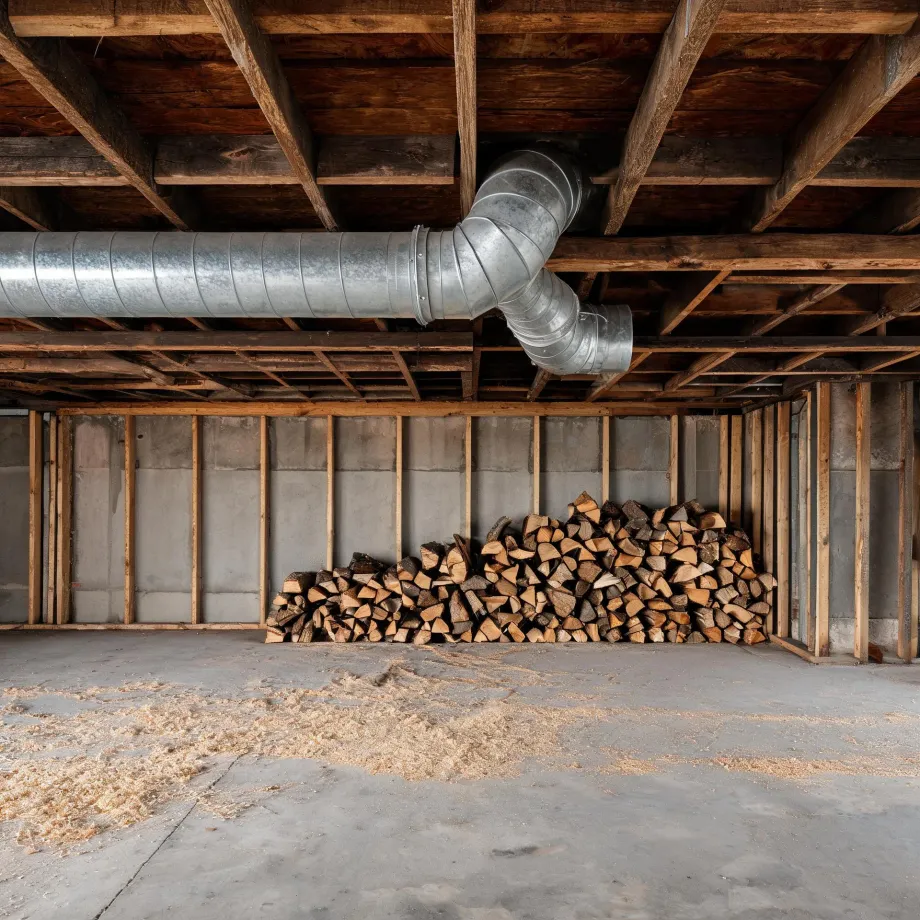
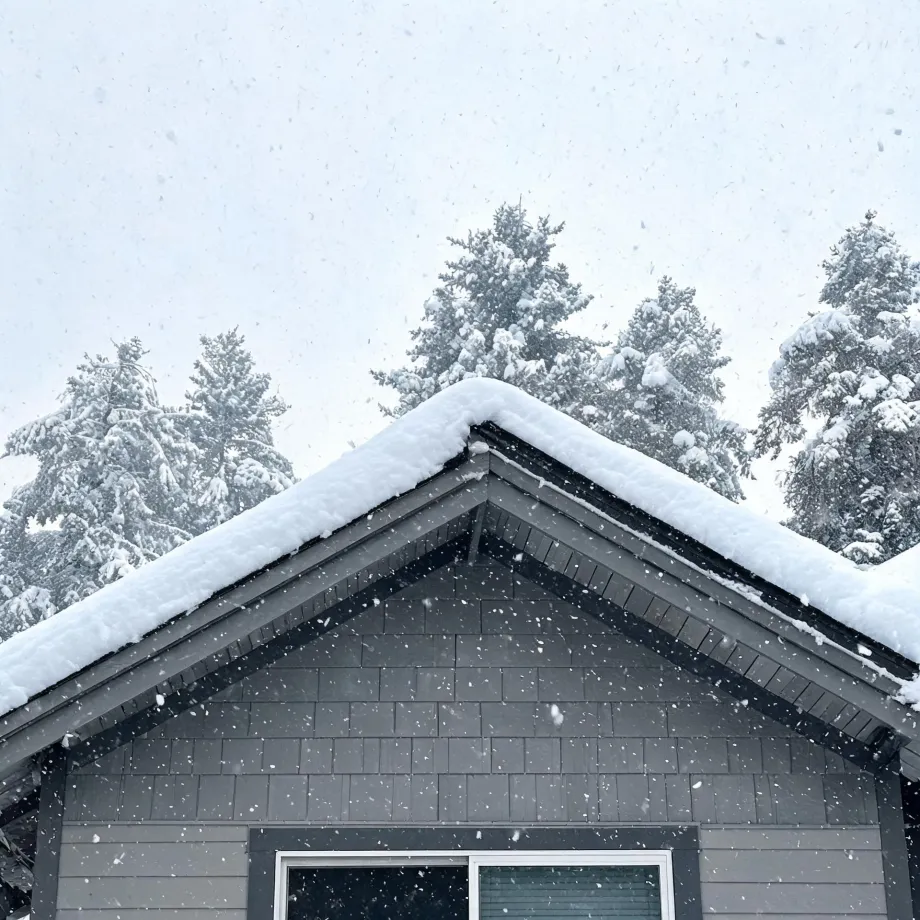
Ductwork sized for the furnaces of a previous generation does not automatically carry a modern unit without a contractor measuring what is actually there. Half the homes in Jefferson County, Idaho were built in 1994 or earlier (2020-2024 ACS 5-year). That means much of the housing a contractor walks into here was ducted for equipment with different static pressure requirements than what gets installed now, and the electrical service was drawn for a different load as well. A contractor quoting a furnace replacement has to assess both before the equipment selection means anything.
What Gets Installed With a New Furnace
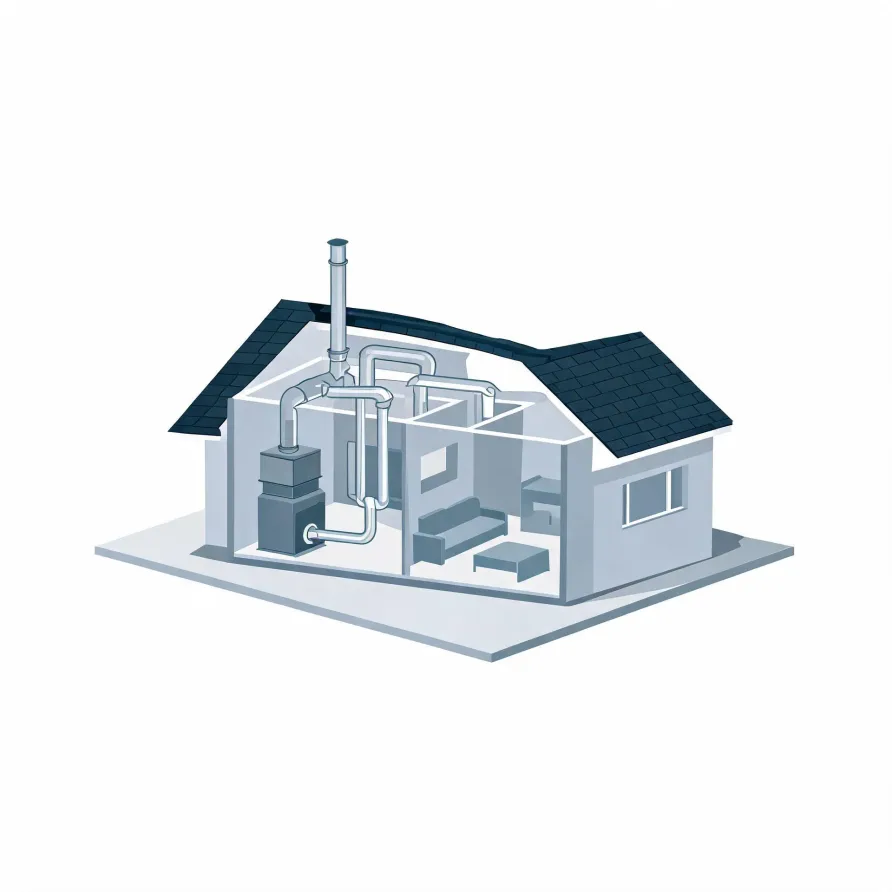
The furnace itself sits in a mechanical room, basement, or utility closet and is the unit that generates heat. Attached to it is the air handler, which pulls household air across the heat exchanger and pushes warmed air back into the living space. Together these two pieces are what the contractor sets in place first.
The flue pipe runs from the furnace up and out of the house, carrying combustion gases away from the living space. Alongside it, the thermostat mounts on an interior wall and gives the homeowner control over when the system runs and at what target temperature.
The drawing shows a general layout of these components, and a licensed contractor determines exactly how each one fits the configuration of your house.
Find a contractor in Jefferson CountyJefferson County, Idaho, by the numbers
213 severe weather events were recorded in Jefferson County, Idaho between 2015 and 2024.
NOAA National Centers for Environmental Information, Storm Events Database, bulk CSV export, events 2015-01-01 through 2024-12-31.Half the homes in Jefferson County, Idaho were built in 1994 or earlier (2020-2024 ACS 5-year).
U.S. Census Bureau, 2020-2024 American Community Survey 5-Year EstimatesJefferson County, Idaho holds 10,779 housing units (2020-2024 ACS 5-year).
U.S. Census Bureau, 2020-2024 American Community Survey 5-Year EstimatesOwners occupy 83.0% of the occupied homes in Jefferson County, Idaho (2020-2024 ACS 5-year).
U.S. Census Bureau, 2020-2024 American Community Survey 5-Year EstimatesCodes & Standards for Furnace Installation in Jefferson County, Idaho5 sourced rules and standards
What the Installation Actually Looks Like
Non-weatherized gas furnaces manufactured on or after November 19, 2015 must reach 80.0 percent AFUE.
Non-weatherized oil-fired furnaces manufactured on or after November 19, 2015 must reach 83.0 percent AFUE.
Mobile home gas furnaces manufactured on or after November 19, 2015 must reach 80.0 percent AFUE.
Non-weatherized gas furnaces manufactured on or after December 18, 2028 must reach 95.0 percent AFUE, up from the 80.0 percent minimum that applies to units manufactured before that date.
Licensing Rules for HVAC Work in Jefferson County, Idaho
Idaho requires a state certificate of competency for heating, ventilation and air conditioning work: it is unlawful to engage in the business, trade or practice without passing the examination and holding the certificate.
Severe Weather Events in Jefferson County
Jefferson County's weather puts real demands on heating equipment, and those demands shape what a furnace needs to handle over its service life. What gets installed here has to be sized and specified for local conditions, which is why the record below is relevant to this work.
213 severe weather events, 2015–2024. Source: NOAA National Centers for Environmental Information, Storm Events Database.