Tell us about the job
Takes about a minute. No obligation.
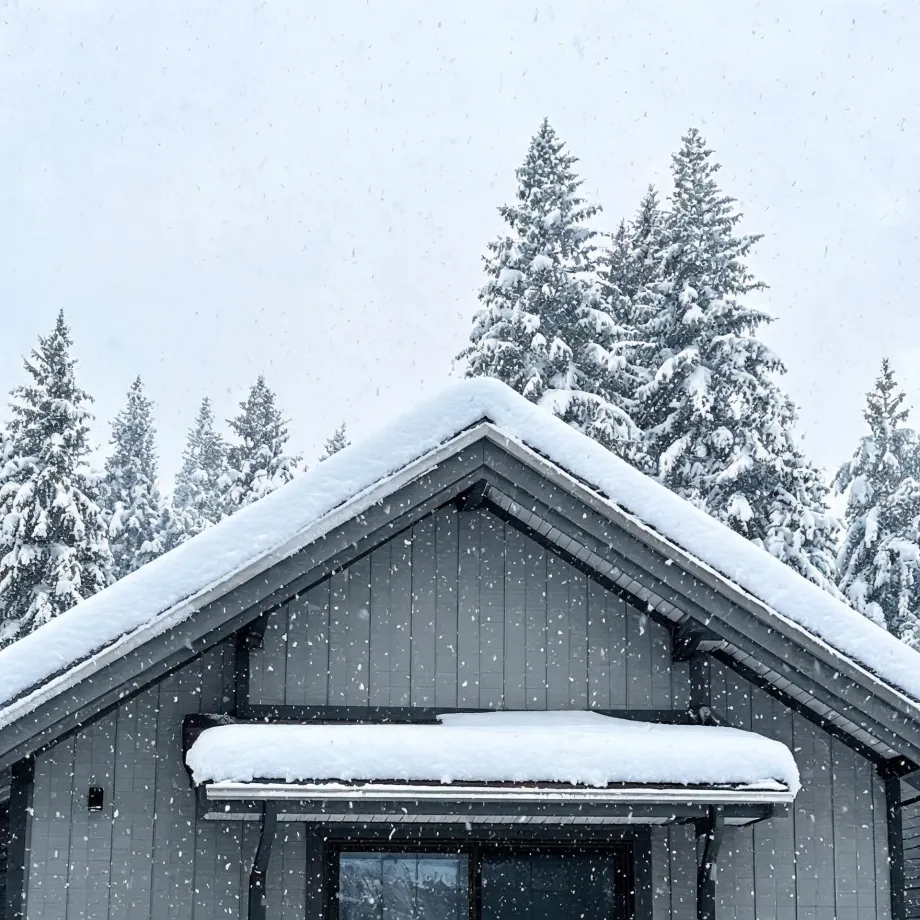
Sizing a furnace for a Teton County home means accounting for a system that cycles through nearly the entire calendar year. Homes in Teton County, ID run heat about ten months a year, from September through June. The burner, the heat exchanger, and the ignition system earn most of their wear during exactly that kind of run, and a unit that is undersized or poorly sealed at installation will push those components harder to hold temperature. A contractor working a quote here has to establish actual heat loss through the envelope before recommending equipment, because an undersized furnace in a climate this demanding will cycle short and fail early.
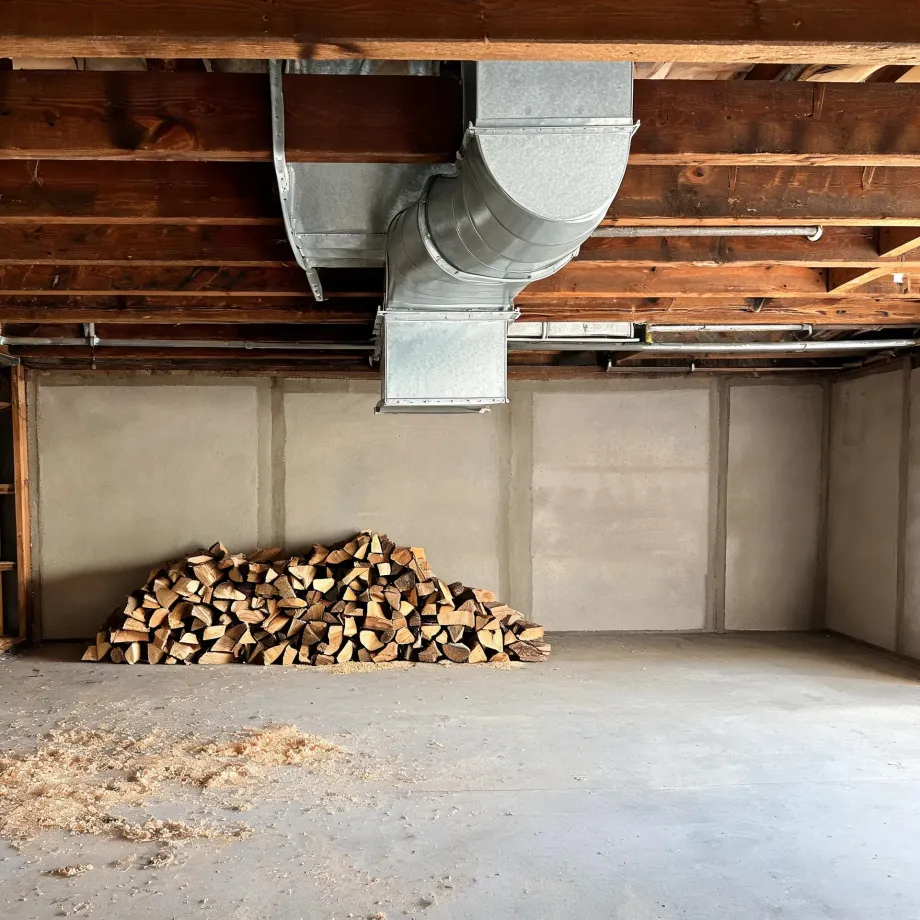
Existing ductwork is where a furnace installation in Teton County gets decided. Half the homes in Teton County, Idaho were built in 2001 or earlier (2020-2024 ACS 5-year). A house ducted for an older system carries trunk lines, branch runs, and return sizing that were calculated around what that system needed, and a new furnace draws differently enough that a contractor has to verify the duct system will carry it before pricing the unit. The electrical service matters too, but the ductwork is the variable that most often changes the scope of the job.
What Gets Installed With a New Furnace
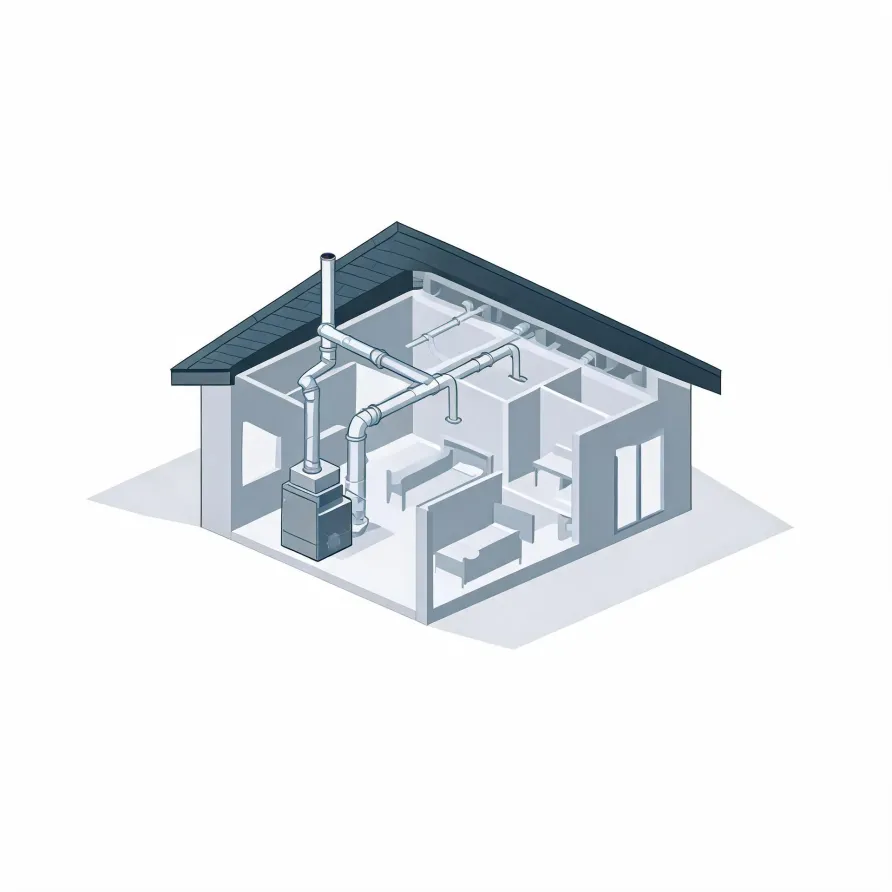
The furnace itself sits in a utility space, basement, or closet and is the unit that generates heat. A burner assembly inside it ignites fuel, and a heat exchanger transfers that warmth to the air moving through the system. The blower motor, housed in the furnace cabinet, pushes that heated air out toward the rest of the house.
A flue pipe runs from the furnace to an exterior wall or roof, carrying combustion gases out of the home. The thermostat mounts on an interior wall and is what the homeowner sees and touches every day. A contractor also connects the furnace to the existing gas line and fits the appropriate venting configuration for the installation.
The drawing shows a general layout of these components, and a licensed contractor determines exactly what applies to your home's configuration.
Find a contractor in Teton CountyTeton County, by the numbers
165 severe weather events were recorded in Teton County, Idaho between 2015 and 2024.
NOAA National Centers for Environmental Information, Storm Events Database, bulk CSV export, events 2015-01-01 through 2024-12-31.Half the homes in Teton County, Idaho were built in 2001 or earlier (2020-2024 ACS 5-year).
U.S. Census Bureau, 2020-2024 American Community Survey 5-Year EstimatesTeton County, Idaho holds 6,481 housing units (2020-2024 ACS 5-year).
U.S. Census Bureau, 2020-2024 American Community Survey 5-Year EstimatesOwners occupy 80.8% of the occupied homes in Teton County, Idaho (2020-2024 ACS 5-year).
U.S. Census Bureau, 2020-2024 American Community Survey 5-Year EstimatesCodes & Standards Governing Furnace Installation in Teton County, Idaho5 sourced rules and standards
What happens when the contractor shows up
Non-weatherized gas furnaces manufactured on or after November 19, 2015 must reach 80.0 percent AFUE.
Non-weatherized oil-fired furnaces manufactured on or after November 19, 2015 must reach 83.0 percent AFUE.
Mobile home gas furnaces manufactured on or after November 19, 2015 must reach 80.0 percent AFUE.
Non-weatherized gas furnaces manufactured on or after December 18, 2028 must reach 95.0 percent AFUE, up from the 80.0 percent minimum that applies to units manufactured before that date.
Licensing and Legal Requirements in Teton County, Idaho
Idaho requires a state certificate of competency for heating, ventilation and air conditioning work: it is unlawful to engage in the business, trade or practice without passing the examination and holding the certificate.
Severe Weather Events in Teton County
Teton County winters put real load on heating equipment, and the storms that move through this region shape how hard a furnace has to work and how long its components last. That makes local weather history a practical reference for anyone sizing or installing heating equipment here.
165 severe weather events, 2015–2024. Source: NOAA National Centers for Environmental Information, Storm Events Database.