Tell us about the job
Takes about a minute. No obligation.
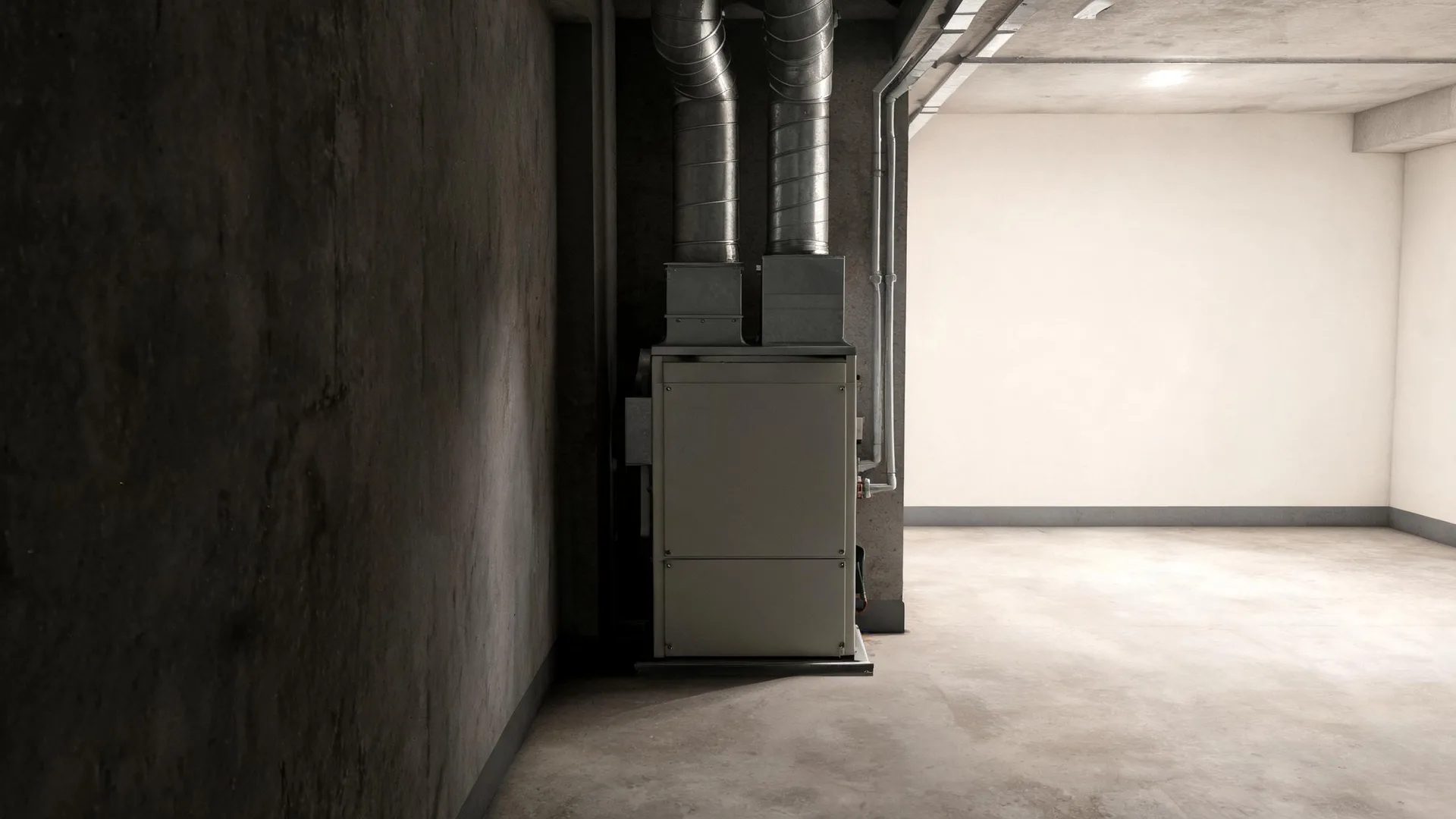
A furnace in Caribou County runs its burner and ignition system hard for most of the year, and the wear pattern a contractor finds reflects that. Homes in Caribou County, ID run heat about ten months a year, from September through June. The heat exchanger cycles through expansion and contraction far more than it would in a place with a brief heating season, and cracks or fatigue failures there are a reasonable first suspicion before anything else is opened. Igniter degradation follows the same logic: a component stressed through a long season arrives at the following fall already closer to failure. A contractor quoting a repair here checks those parts before pricing anything downstream.
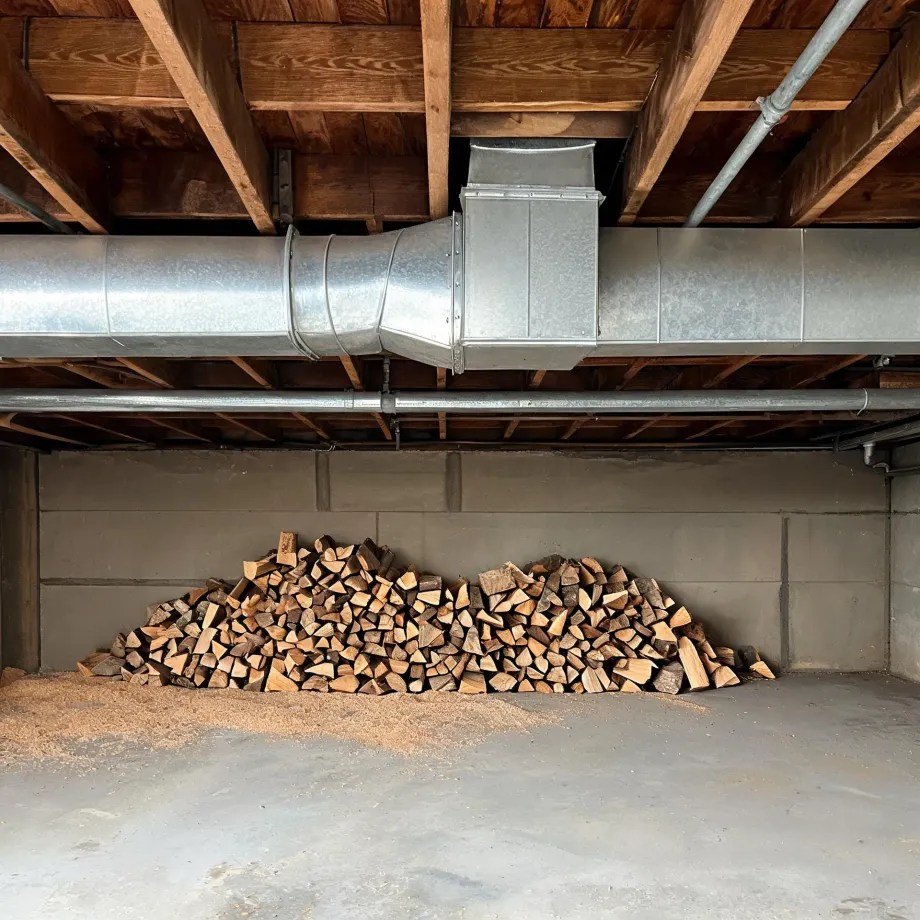
Ductwork in a house built to carry one generation of furnace has been asked to carry several since. Half the homes in Caribou County, Idaho were built in 1972 or earlier (2020-2024 ACS 5-year). That gap between when a house was built and what eventually got installed in it shapes what a contractor finds once a furnace is opened: heat exchangers, igniters, and control boards from systems that manufacturers stopped supporting years back. A part that looks standard on a work order can take days to source, or turn out to have no current equivalent at all.
The Parts of a Furnace a Contractor Checks First
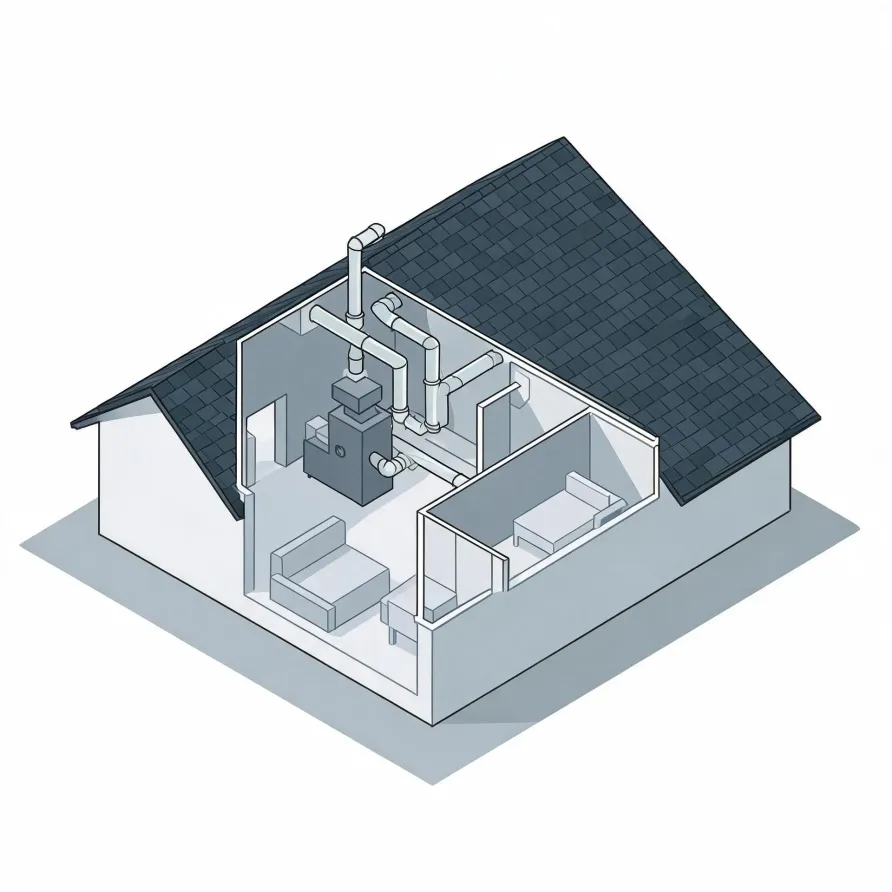
The furnace cabinet sits in a basement, utility room, or closet and holds the components a contractor goes to first when something fails. Inside it, the heat exchanger is the piece most likely to be behind lost heat or carbon monoxide concerns, and the burner assembly directly below it is where ignition problems start. The blower motor at the base of the cabinet moves conditioned air out; when it fails, air stops moving even if the burner fires fine.
The flue pipe runs from the cabinet up and out of the house, carrying combustion gases away, and a blockage or crack there shows up as backdrafting or a tripped safety switch. Sitting on the cabinet or nearby, the thermostat and control board govern when each component fires and in what order. A fault in either can mimic the symptoms of a failed part deeper in the system.
The drawing shows a typical furnace layout, and a licensed contractor will determine which components apply and need attention in your specific home.
Find a contractor in Caribou CountyCaribou County, by the numbers
188 severe weather events were recorded in Caribou County, Idaho between 2015 and 2024.
NOAA National Centers for Environmental Information, Storm Events Database, bulk CSV export, events 2015-01-01 through 2024-12-31.Half the homes in Caribou County, Idaho were built in 1972 or earlier (2020-2024 ACS 5-year).
U.S. Census Bureau, 2020-2024 American Community Survey 5-Year EstimatesCaribou County, Idaho holds 3,157 housing units (2020-2024 ACS 5-year).
U.S. Census Bureau, 2020-2024 American Community Survey 5-Year EstimatesOwners occupy 81.6% of the occupied homes in Caribou County, Idaho (2020-2024 ACS 5-year).
U.S. Census Bureau, 2020-2024 American Community Survey 5-Year EstimatesCodes & Standards Governing Furnace Repair in Caribou County, Idaho5 sourced rules & standards
What HVAC Repair Looks Like in Caribou County
Non-weatherized gas furnaces manufactured on or after November 19, 2015 must reach 80.0 percent AFUE.
Non-weatherized oil-fired furnaces manufactured on or after November 19, 2015 must reach 83.0 percent AFUE.
Mobile home gas furnaces manufactured on or after November 19, 2015 must reach 80.0 percent AFUE.
Non-weatherized gas furnaces manufactured on or after December 18, 2028 must reach 95.0 percent AFUE, up from the 80.0 percent minimum that applies to units manufactured before that date.
Licensing Rules for HVAC Repair in Caribou County, Idaho
Idaho requires a state certificate of competency for heating, ventilation and air conditioning work: it is unlawful to engage in the business, trade or practice without passing the examination and holding the certificate.
Severe Weather Events in Caribou County
Hard weather puts hours on a furnace fast. How much stress local conditions place on heating equipment shapes what repairs come up and how often a system needs attention.
188 severe weather events, 2016–2024. Source: NOAA National Centers for Environmental Information, Storm Events Database.